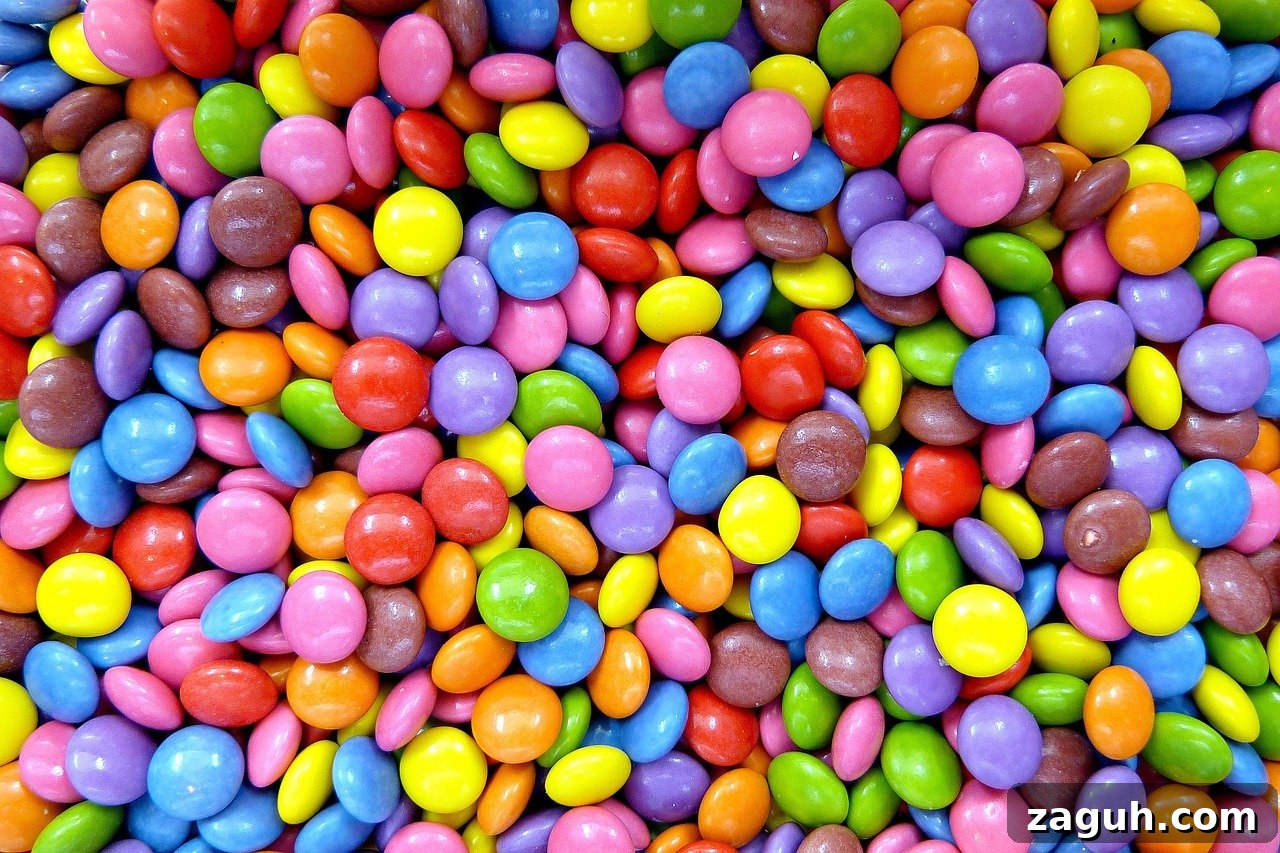
Candy can turn a road trip into a celebration. A few sweet treats provide a quick energy boost and brighten moods as the miles pass. The simple pleasure of unwrapping and sharing candy helps create memorable moments and keeps everyone engaged during the drive. Packing a selection of favorites makes long trips more enjoyable and adds a lighthearted touch to travel.
When flying, it’s important to know airline and security rules for carrying candy. While most candy is allowed, certain types and packaging must meet Transportation Security Administration (TSA) and airline guidelines. Below is a practical, SEO-friendly guide on bringing candy on a plane and how to pack it the right way.

Can you bring candy on a plane?
Yes. Candy is generally allowed in both carry-on and checked baggage. However, follow specific rules for international travel and for any candy that is liquid, gel, or otherwise restricted.
Restrictions for bringing candy on a plane
TSA and airlines enforce rules to keep security screenings smooth. Key guidelines to follow:
- Keep candy in its original, sealed packaging when possible to speed up screening.
- Solid candies—like chocolate, hard candy, and gummies—are allowed in carry-on and checked bags.
- Liquid or gel candies (syrups, sauces, some jellies) must follow the liquids rule: containers of 3.4 ounces (100 ml) or less in a single, clear quart-size bag for carry-on.
- Avoid carrying large quantities of liquid candy or candy packaged as a beverage unless checked or compliant with the 3.4-ounce limit.
- When traveling internationally, be prepared to declare food items and comply with customs rules at your destination.
Carry-on or checked baggage?
Both options are usually fine for most types of candy. Solid, wrapped sweets travel well in a carry-on without extra fees. If you’re taking large quantities or anything liquid-based, consider placing them in checked luggage or ensuring they meet the carry-on liquid limits. Always check your airline’s rules, especially for international routes where additional restrictions may apply.
Types of candy allowed on a plane
Most common candies are permitted, but packaging and state (solid vs. liquid) matter:
Chocolate
Chocolate is a safe choice as long as it’s solid and properly wrapped. In warm weather, consider insulation or placing bars in checked luggage to avoid melting. Individually wrapped chocolates are easiest to carry and pass through security.
Liquid or gel candies
Items like syrups, some jellies or candy sauces are treated as liquids. For carry-on, they must be in containers of 3.4 ounces (100 ml) or less and fit inside a single clear quart-size bag. Larger containers should go in checked luggage.
Gum
Gum is generally allowed in both carry-on and checked baggage. Sugarless gum is often preferred for travel to reduce mess. There are no special packaging requirements beyond keeping it reasonably contained.
Hard candy
Hard candies, lozenges and individually wrapped mints are easy to bring and screen well. These items are ideal for flights and road trips because they are lightweight, nonperishable and convenient to share.
How much candy can you bring?
Airlines and airports vary in how strictly they limit quantities. For solids, there’s generally no strict weight limit beyond your overall baggage allowance. For liquids and gels, abide by the 3.4-ounce (100 ml) per container rule for carry-on and pack them in a clear quart-size bag. If you plan to carry large amounts of candy, especially internationally, check customs and agricultural rules at your destination.
What if you bring too much?
Bringing excessive quantities of restricted items can result in confiscation at security or potential delays. To avoid problems, pack reasonable amounts for personal use, follow liquid limits, and keep items accessible for inspection. If an item is confiscated, it’s usually disposed of at the checkpoint.
Benefits of bringing candy on a plane
Candy can help ease anxiety, entertain children, and relieve ear pressure during takeoff and landing by encouraging swallowing. Choose individually wrapped, non-melting options for the best travel experience, and pack a few extras in case of flight delays.
Special considerations for international travel
When flying internationally, be mindful of customs and agricultural restrictions. Some countries prohibit bringing in certain food items. Declare what’s required on arrival forms and inspect the rules of your destination to avoid fines or confiscation.
Tips for carrying candy on a plane
- Keep candy in original, sealed packaging whenever possible to speed security checks.
- For chocolate in hot weather, use insulated packing or place it in checked luggage to prevent melting.
- For liquid candy items, use containers of 3.4 ounces (100 ml) or less and place them in a clear quart-size bag for carry-on.
- Pack a small variety of individually wrapped treats to share and reduce mess.
Neapolitan Coconut Candy (recipe overview)
Neapolitan coconut candy combines layers of milk chocolate, white chocolate and a coconut mixture for a colorful, rich treat. The recipe uses condensed milk, coconut flakes (sweetened and unsweetened), white and milk chocolate, butter, vanilla and coloring. The mixture is layered, chilled until firm, then sliced into bars—making it a shareable homemade candy ideal for gifting or travel. If you plan to bring homemade candy on a flight, follow the same packing and customs rules as for store-bought items.
Nutrition and storage notes
Homemade and packaged candies can be high in sugar, fat and calories, so enjoy them in moderation. Store solid candies in cool, dry conditions and keep liquid or soft candies sealed tightly. For long trips, pack perishable confections in an insulated container or refrigerate when possible.
Bringing candy on a plane is usually straightforward: choose solid, well-wrapped treats, follow liquid restrictions, and check customs rules for international travel. With a little planning, candy can enhance travel comfort and create enjoyable moments on the road or in the air.
Related Posts
Tyson Popcorn Chicken in Air Fryer
Bob Evans Biscuit Recipe
Are Canned Oysters Any Good?
Uses For Red Wine Vinegar?