This post is something I’ve been meaning to write for a while. It’s a bit hard to put into words and I’m no expert, but it’s been on my mind lately. One of the best pieces of blogging advice I’ve heard is to write the kind of post I would want to read myself. I also appreciate honesty in writing, so here goes.
Body image is an issue I, and so many other women, struggle with. When studies show that 91% of women aren’t satisfied with their bodies, it’s clearly an important topic to address.
We can be our own harshest critics. We tell ourselves our stomachs aren’t flat enough, our noses are too big, our chests are too small, our arms are too jiggly, our thighs aren’t toned—on and on. We pick ourselves apart in photos and in the mirror. If a friend spoke to us the way we sometimes speak to ourselves, we’d end that friendship quickly.
A certain amount of self-consciousness is normal. For example, I’ve always been self-conscious about my hips. Since they developed in middle school I felt they were disproportionately large compared to my body. I’ve grown more comfortable with them over time, but even when I look at a photo of myself from last summer, my initial thought was, “Yikes, my hips look huge.”
The strange thing is that when I see another woman with similar hips, I often think she looks amazing—feminine, curvy, and beautiful. My cousin has a similar build—tall, long legs, and noticeable hips—and I think she looks great. I’m quick to tell friends they’re beautiful when they criticize themselves, but I don’t always extend that same kindness to myself.
There’s a double standard where we’re especially tough on ourselves. Perfectionism plays a big role; we set impossible standards and then judge ourselves for not meeting them.
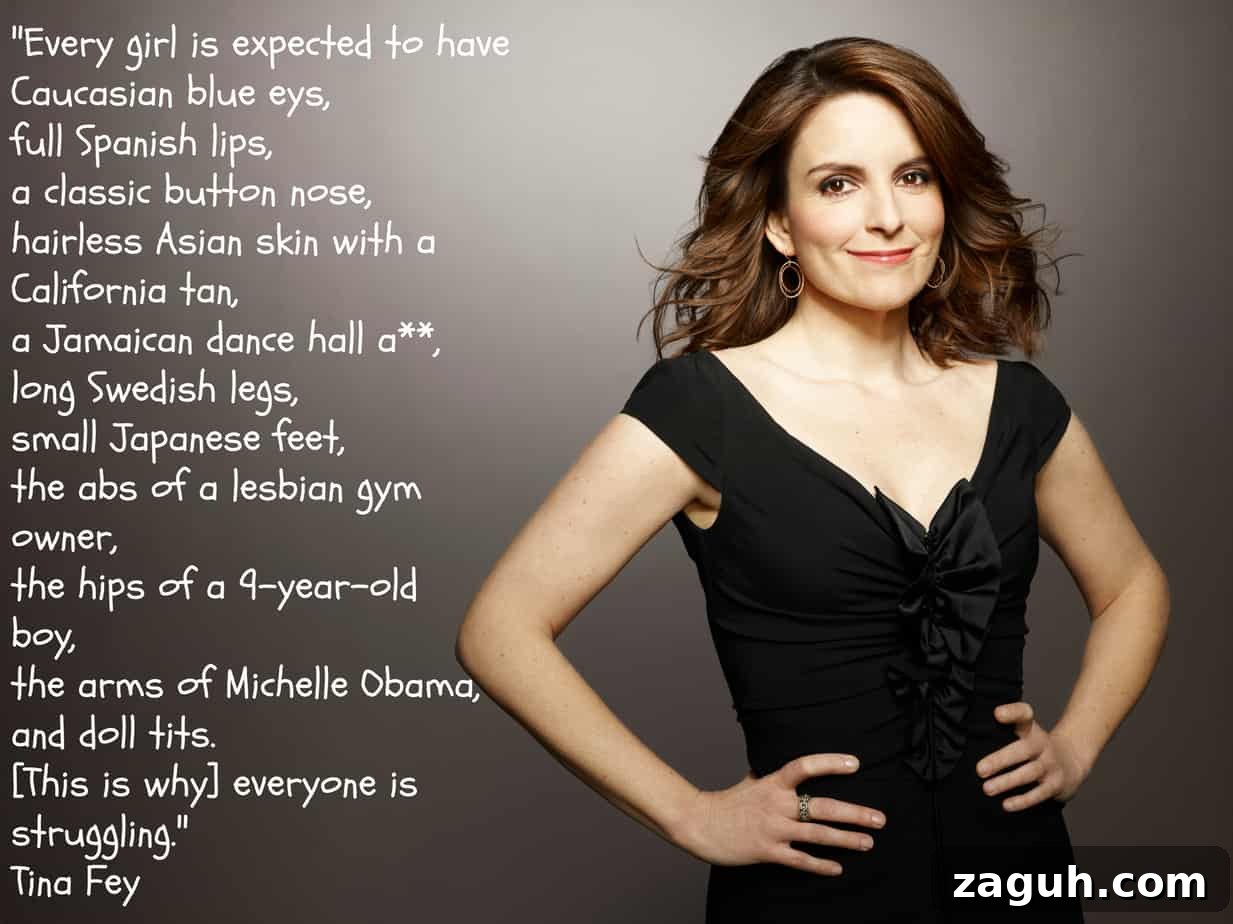
Media images of the “ideal” body make this worse. Tina Fey put it well when she highlighted how unrealistic those standards can be. The people who most closely fit that ideal—such as Victoria’s Secret models—follow extreme routines. For example, in interviews some models describe intense pre-show regimens: cutting carbs and fats weeks in advance, increasing exercise to hours a day, and in extreme cases limiting food or liquids shortly before an event. Modeling is often a full-time commitment to strict diets, rigorous personal training, and genetics that favor certain body types.
And yet many of us—students, professionals, parents—compare ourselves to those idealized images. The comparison is unfair and unrealistic.
What if we focused instead on living actively and nourishing our bodies with mostly healthy food, then accepted and appreciated how our bodies look? What would change if we embraced our bodies, imperfections and all?
I’ve made progress in feeling more comfortable with my appearance, and it feels freeing. Of course there are still days when I feel less attractive, but those days happen less often now. Part of that shift came from realizing that most people aren’t scrutinizing my hips the way I am. I try to eat in ways that make me feel good rather than following restrictive rules. Most importantly, I’ve learned that I’m often my own harshest critic—and I have the power to change that inner voice.
Beyond appearance, our bodies don’t define our worth. We offer so much more to the world than how we look. If we direct our energy outward rather than inward, think of the good we could accomplish. We can choose not to let insecurities consume us.
Most of all, we can practice being our own best friend instead of our worst enemy.
xoxo,
Liv
What do you think? I’d love to hear from you!