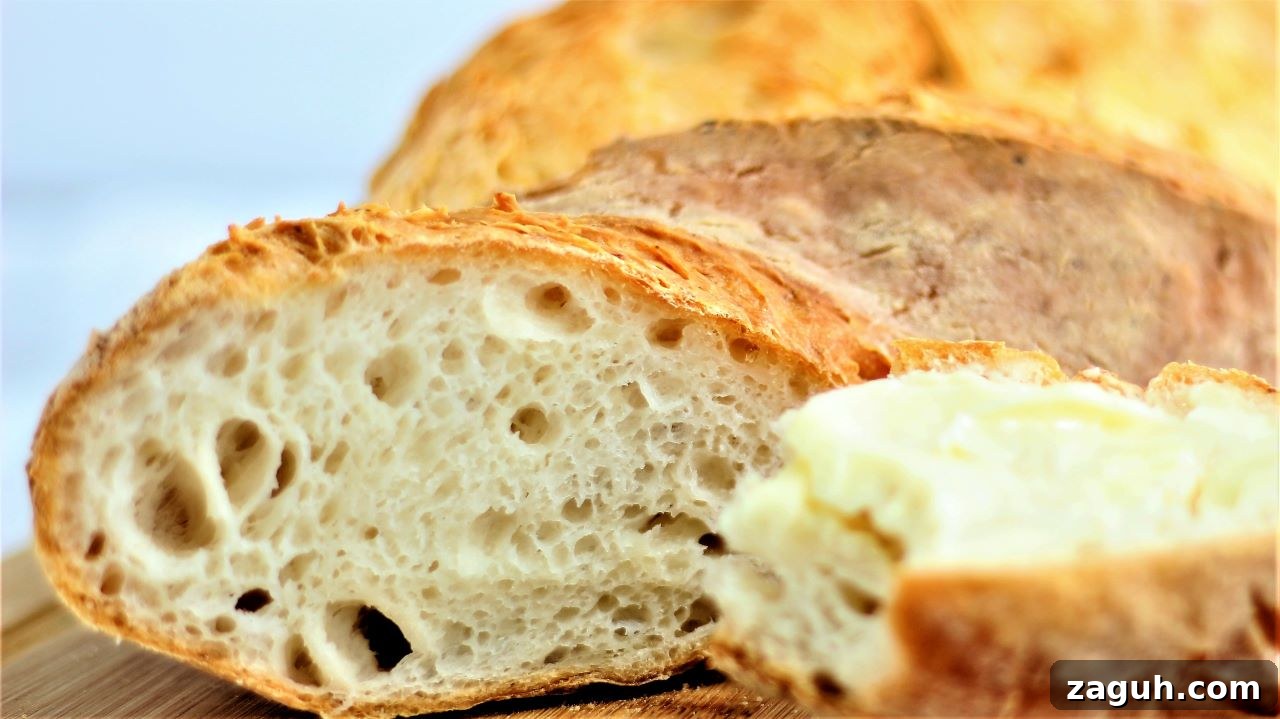
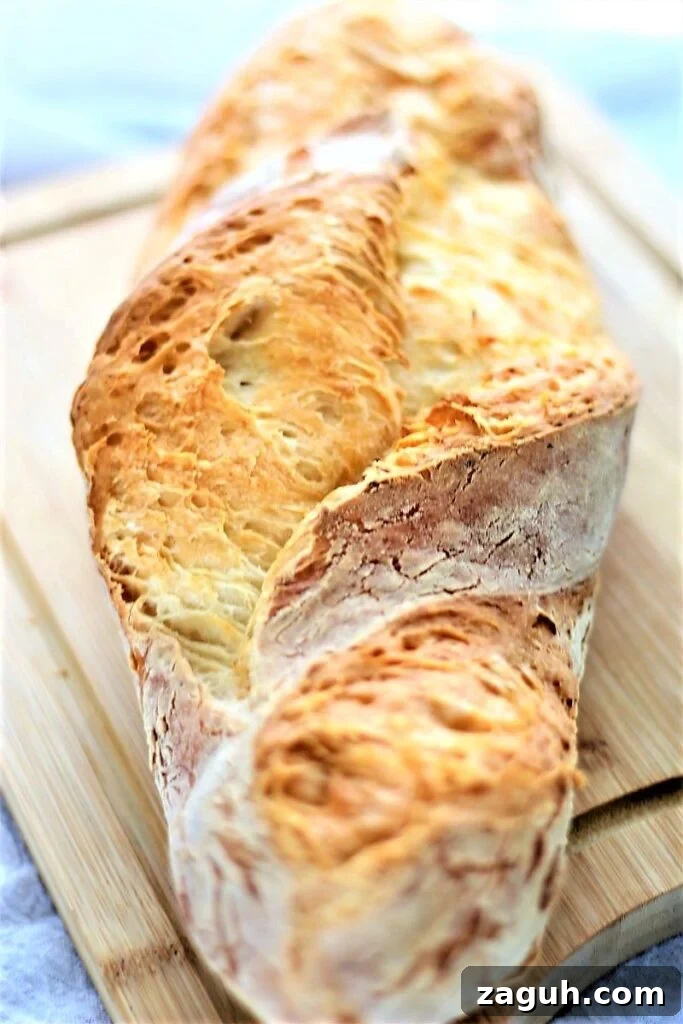
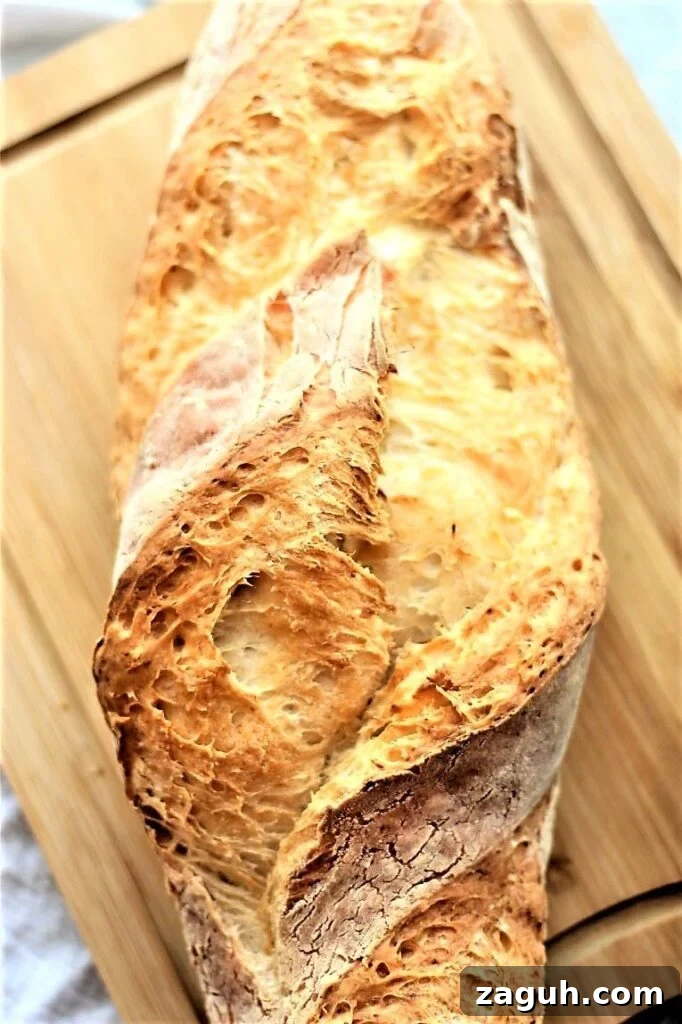
This gluten-free artisan bread delivers the crusty, chewy loaf you may have thought you’d never enjoy again. One bite and you’ll be in heaven — and best of all, most people won’t realize it’s gluten free.
Some of the items mentioned in this post are affiliate links. At no additional cost to you, if you click through and make a purchase, I may earn a small commission.
This recipe evolved from my gluten-free pizza dough. After making my gluten-free pizza crust, my family — none of whom need to eat gluten free — loved it. If non-gluten-free eaters enjoy your gluten-free baking, you know you’re on the right track. I wondered what else the dough could become and decided to try artisan bread.
Artisan bread is ideal because it relies on a few simple ingredients — flour, water, yeast, and salt — with just a touch of olive oil and honey. The result is a loaf with a crisp crust, a satisfying chew, and an open crumb. The short answer is: yes, it works — beautifully.
This was the first gluten-free loaf I developed and it quickly became a household staple.
How I came up with gluten-free artisan bread
I adapted the method from the cookbook Gluten Free Artisan Bread in Five Minutes a Day by Jeff Hertzberg, M.D., and Zoe Francois. Their approach — minimal daily hands-on time with great results — inspired me to try my pizza dough as a bread dough. The combination worked wonderfully: this method really does only need about five minutes of active work each day.
Making the dough
The dough for this artisan loaf is the same base I use for my gluten-free pizza crust. Combine the dry ingredients in the bowl of a stand mixer and whisk. You can use a handheld mixer, though it will take longer; a Danish dough whisk also works if you prefer to mix by hand.
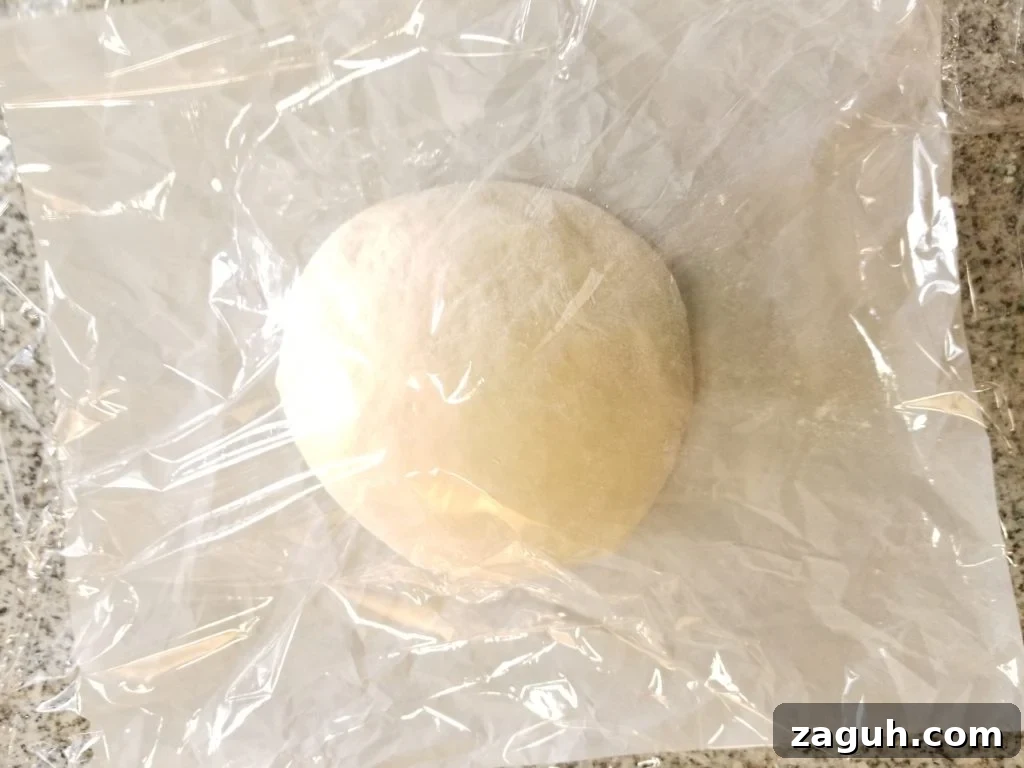
Add the wet ingredients and mix on low until combined. Increase to medium-high and knead for five minutes. Scrape the dough into a cohesive mass and cover the bowl. Let it proof in a warm, draft-free place until it doubles, typically 1–2 hours. After that initial rise, chill the dough in the refrigerator for at least several hours (5–6) and up to 10 days. Longer refrigeration develops more fermentation, boosting flavor and improving the bread’s structure — helpful when baking without gluten.
Shaping the bread
You can shape this dough into baguettes, batards, boules, or whatever form you prefer. I often look at traditional bread-baking resources for shaping ideas.
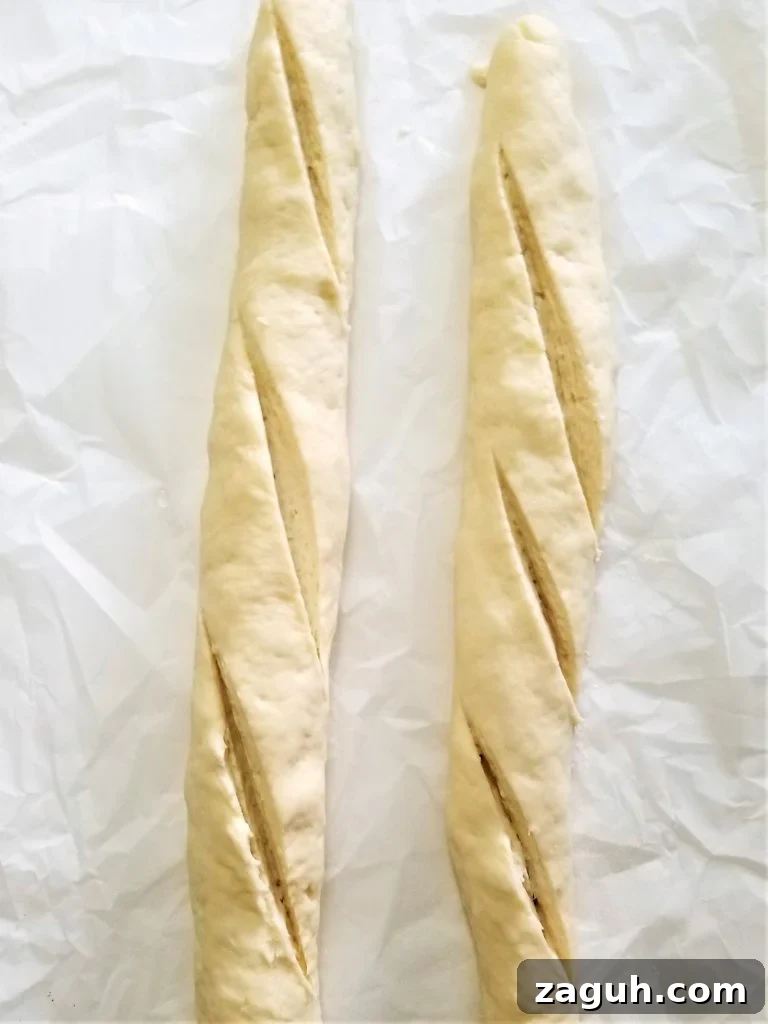
- To shape a baguette or batard — roll the dough into a rope, taper the ends, and place it on a long piece of parchment. A pizza peel makes transferring to the oven easier.
- To shape a boule — form the dough into a tight round by tucking the edges under. Place the boule on parchment and use a peel or inverted baking sheet for transfer.
Most professional bakers use steam ovens to get the best oven spring and crust. At home, replicate this by placing a shallow pan on the bottom rack and a baking steel or stone on the middle rack. Preheat the oven to 450°F. When the loaf is ready, slash it with a wet, sharp knife or lame and slide it onto the steel or stone on parchment. Pour a cup of very hot tap water into the shallow pan and quickly close the oven to trap the steam — this yields good oven spring and a crisp crust.
Alternatively, use a preheated Dutch oven for boules: heat the pot at 500°F, lower the loaf inside on parchment, cover, reduce the oven to 450°F, and bake. The trapped steam from the closed pot gives excellent results.
Rather watch?
Gluten free artisan bread FAQs
This recipe was developed and tested with the author’s bread flour blend. Using a different blend or altering the mix may produce different results than shown in the photos and video.
Yes. Proofing times are guidelines — temperature and environment change timing. Look for visible puffing rather than relying strictly on time.
Yes. Cover the dough to prevent a skin from forming, which would limit oven spring and lead to a dense loaf.
You can toss a handful of ice cubes on the oven floor before closing the door or spritz the loaf with water from a clean spray bottle to add steam.
A lift test helps: a finished loaf feels relatively light for its size. If it still feels heavy, bake another 5–10 minutes. Larger gluten-free loaves often need more time than traditional loaves; cover with foil if they brown too quickly.
A word about psyllium husks
Psyllium husks improve dough handling and structure in many gluten-free recipes. If you don’t want to use them or can’t find them, the bread will still be excellent, though the dough will be stickier and somewhat harder to shape. It won’t negatively affect the baked loaf’s quality.
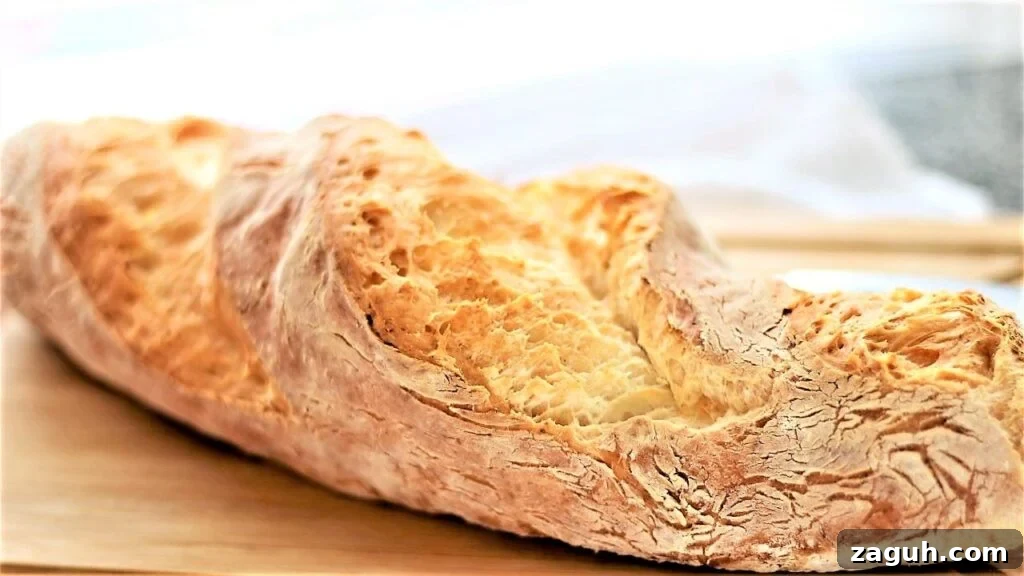
With a little time and a few tools, you can enjoy fresh, crusty gluten-free bread that truly tastes like bread. What are you waiting for?

Gluten Free Artisan Bread
Ingredients
- 3 cups (420g) Kim’s gluten-free bread flour blend
- 1½ teaspoon xanthan gum (in addition to what’s already in the blend)
- 1 tbsp (5g) psyllium husks (or 1½ tsp psyllium husk powder)*
- 1 tbsp (9g) instant/rapid-rise yeast (not active dry yeast)
- 1 teaspoon kosher salt
- 1¾ cups (420g) water*
- 2 tbsp (26g) olive oil
- 1 tbsp (21g) honey
Instructions
-
In the bowl of a stand mixer fitted with a dough hook, whisk the dry ingredients. Add honey, olive oil, and water. Mix briefly to combine, then knead on medium-high for 5 minutes. Scrape the dough into a cohesive mass, cover, and let rise in a warm, draft-free spot until doubled, about 1–2 hours.
-
Refrigerate for at least 6 hours, preferably overnight, and up to 10 days.
-
On baking day, turn the dough out onto a well-floured surface and knead until fairly smooth, adding flour as needed. If you skipped psyllium, the dough will be stickier; keep extra flour handy.
-
Shape into a boule or baguette. Place on parchment and cover loosely with plastic. Let rise in a warm spot until visibly puffed, about ½–1 hour (timing varies by temperature).
-
If using a baking steel or stone, preheat the oven to 450°F with a shallow pan on the bottom rack. For a Dutch oven method, preheat the covered pot to 500°F; this creates all the steam you need for boules.
-
When ready, wet a serrated knife and make quick, uniform slashes about ½–¾ inch deep. For steel/stone: slide the loaf onto the preheated surface and immediately pour one cup of very hot tap water into the shallow pan, then close the oven. For Dutch oven: lower the loaf into the preheated pot, replace the lid, reduce oven to 450°F, and bake.
-
Bake about 30 minutes for baguettes, 40 minutes for boules, or longer for large loaves. If the crust browns too quickly, cover loosely with foil. The loaf should feel light for its size when done; if it feels heavy, bake another 5–10 minutes.
-
For Dutch oven: bake 40 minutes covered, then remove the lid and bake an additional 20 minutes. Remove bread and cool completely on a rack before slicing to avoid a gummy interior.
Notes
- The recipe yields about 2–3 loaves depending on size. Keep extra dough refrigerated to bake fresh loaves on different days.
- Double or triple the recipe if your mixer can handle it; my 5-quart mixer accommodates a double batch.
- You can freeze extra dough: wrap in plastic and foil for up to 3 months. Thaw overnight in the refrigerator before using.
- This dough is versatile — use half for pizza and half for a loaf, or portion dough for single loaves as needed.
- The dough continues to ferment in the fridge for up to 10 days and often improves with time.
- If omitting psyllium husks, reduce water to 1½ cups (360 ml).
- High altitude note: Bakers at higher elevations have reported success with small adjustments to yeast, salt, and water. Bread may need longer rising times at altitude.
***DISCLAIMER: This recipe was developed for the author’s specific gluten-free bread flour blend. Using a different blend may yield different results.
Inspired by Gluten Free Artisan Bread in Five Minutes a Day.
Originally posted October 12, 2018. Updated with new images, a video, and expanded step-by-step instructions.