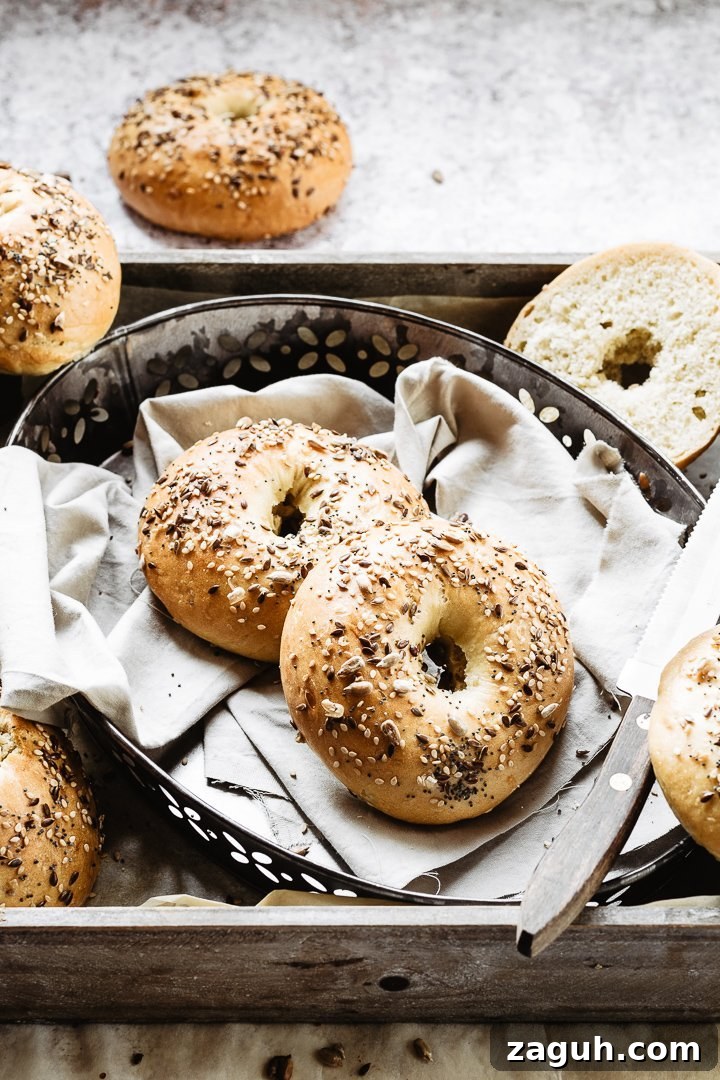
Ah, homemade bagels—what a gift. Is there anything more delicious?
I might be biased because I love carbohydrates, but in my opinion bagels are among the best types of bread. They have a distinct taste and texture. And what beats homemade bread? Making something from scratch is incredibly satisfying, and your home will fill with a wonderful aroma!
The first time I made them, a couple of years ago, everyone at home loved them. If you’ve followed me for a while you know I use that phrase a lot, but it’s true: I share recipes that I and my loved ones actually enjoy.
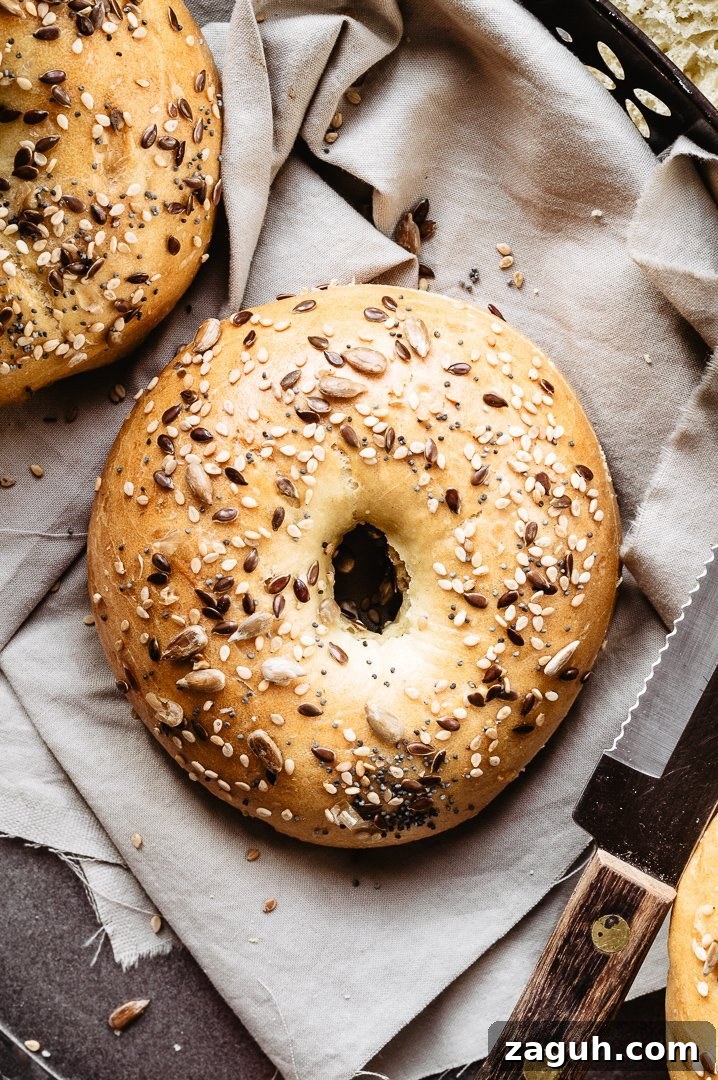
Bagels: a simple and reasonably quick recipe
When I made these bagels the first time I was still using my li.co.li (100% hydration sourdough starter), which I used to call Brad—Brad the bread. The first bite was memorable: not just ordinary bread but an explosion of flavours. Last week those flavours came to mind and I immediately wanted to make them again.
I haven’t maintained my li.co.li lately, so I used dry active yeast this time. The result was a pleasant surprise: they were excellent. Bread made with a sourdough starter has its unique depth, and if you have it use it. But using dry yeast makes this recipe accessible to everyone and considerably faster.
Bagels – FAQs
Here are answers to some common questions about homemade bagels:
-
Are bagels suitable for those on a diet?
I say yes. Everything is about balance, so if during the week you usually eat pasta, potatoes or rice at lunch, try swapping one meal for a bagel occasionally. Carbohydrates can be part of a healthy diet. If you follow a personalised plan from a specialist, follow their advice.
-
Can you eat bagels for breakfast?
Absolutely. If you usually have porridge, try a savory breakfast: a bagel with avocado and smoked salmon—add a squeeze of lemon and some black or pink pepper for extra flavour.
-
How do you store bagels?
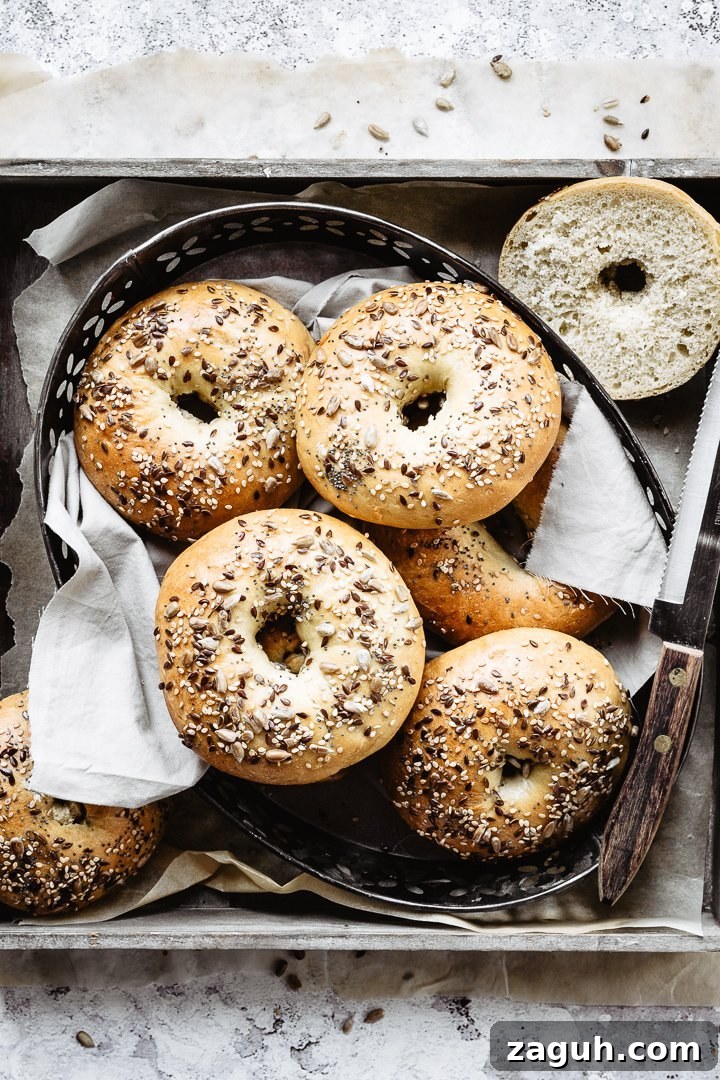
The main drawback of bagels is they go stale quickly. You have two options: eat them fresh or freeze them immediately. I usually bake larger batches and freeze extras so I have fresh bagels in the days after baking.
-
How do you defrost them? What if you don’t have a microwave?
A microwave isn’t necessary. We often take bread from the freezer in the morning and leave it on top of the radiator to thaw slowly. The same method works well for bagels.
Tips for the perfect bagel
If you’re here for the bagel recipe, you probably want to know how to make the perfect bagel. A few key points to pay attention to:
- Use high-quality ingredients: bread is a simple food, so start with good flour and extra virgin olive oil.
- Knead well: developing the gluten takes time. Knead for at least 15–20 minutes.
- Don’t skip pirlatura: this shaping technique strengthens the dough and helps even rising. Pirlare means rounding the dough into a smooth ball by rotating it between your hands or on the work surface.
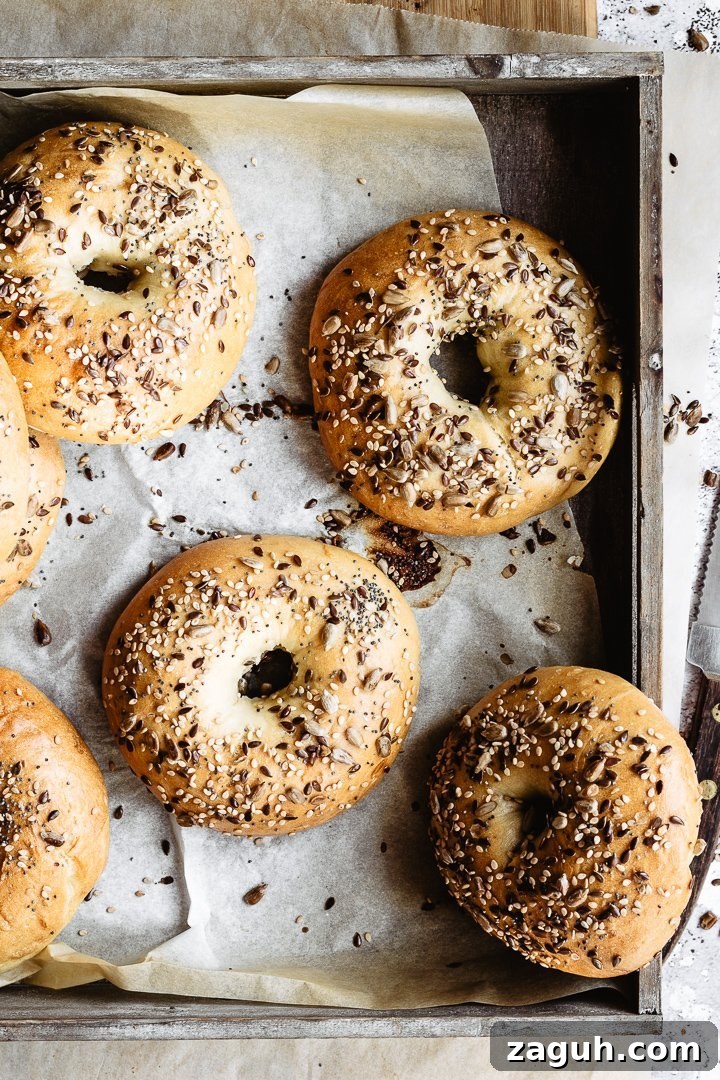
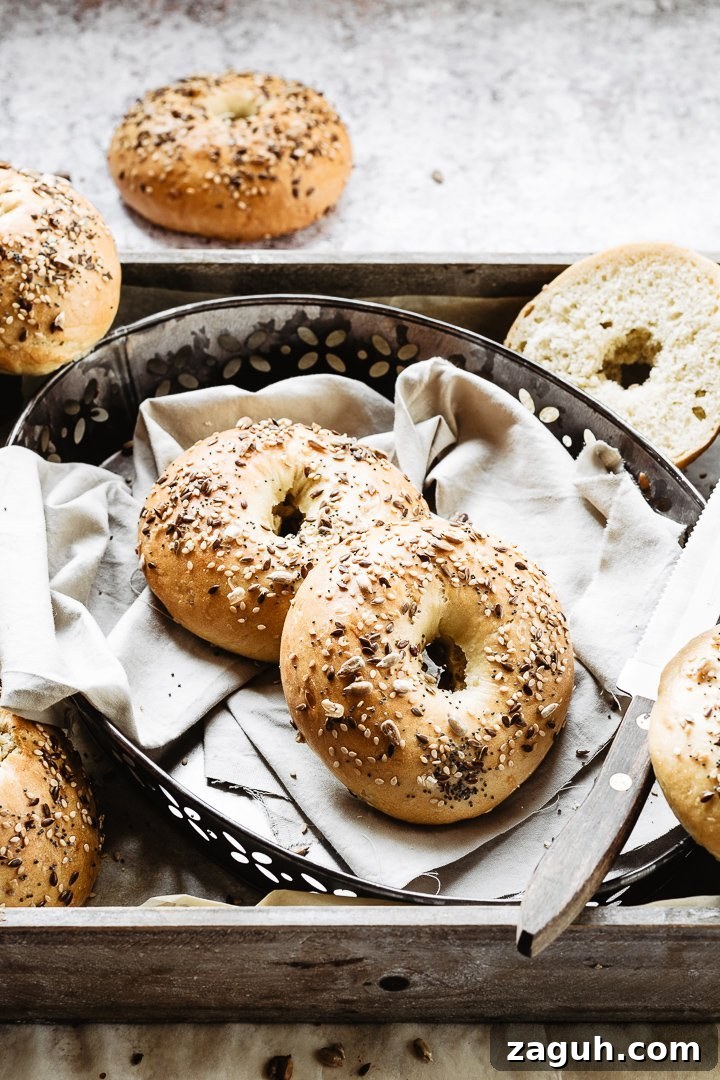
- Don’t skimp on seeds: they add a lot of flavour. Pour seeds onto a plate and dip the bagels right after boiling so they stick well.
What you might need
The most important step for good bread is kneading. If you don’t want to knead by hand for 15–20 minutes, use a stand mixer or bread machine. I use a machine for convenience when I can.
If you like yeasted breads, you may also enjoy:
-

- Cinnamon buns svedesi

-
- Pane pizza

-
- Babka mela e cannella

If you enjoy this recipe, please leave five stars—I’d be thrilled!

BAGELS CON FARINA DI FARRO
Print
Pin
Ingredienti
- 250 gr Acqua – a temperatura ambiente
- 7 gr Lievito di birra secco
- 2 Cucchiaini Zucchero di canna integrale
- 515 gr Farina di farro
- 1 Uovo – a temperatura ambiente
- 20 gr Olio extra vergine di oliva
- 10 gr Sale
Per bollire i bagels:
- Acqua
- 1 cucchiaio Zucchero o zucchero di canna integrale
- 2 cucchiai Sale
- 2 cucchiai Fecola di patate
Toppings:
- Semi (di lino, di sesamo, di papavero…)
Istruzioni
-
Unisci acqua, lievito e zucchero e lascia riposare per circa 10 minuti.
-
Avvia la planetaria o macchina del pane, versa l’acqua con il lievito e lascia mescolare per qualche secondo.
-
Aggiungi gradualmente la farina e lascia che i liquidi la assorbano.
-
Aggiungi l’uovo e il sale e lascia impastare. Poi versa l’olio a filo e lascia assorbire. Impasta per circa 15 minuti.
-
L’impasto sarà pronto quando si staccherà dalle pareti della macchina. Riversalo su un piano infarinato e “pirlalo”: arrotondalo fino a ottenere una sfera liscia per favorire una crescita regolare durante la lievitazione.
-
Riponi l’impasto in una ciotola coperta e lascia lievitare un’ora.
-
Trascorsa l’ora, dividi l’impasto in otto pezzi e forma i bagels praticando un foro al centro di ciascuno.
-
Fodera due teglie con carta forno e disponi i bagels distanziati. Lascia lievitare per 40 minuti in un luogo tiepido (o nel forno con la luce accesa).
-
Quando sono raddoppiati, preriscalda il forno a 220 °C.
-
Intanto porta a ebollizione una pentola d’acqua e aggiungi sale, zucchero e fecola. Fai bollire ogni bagel per circa 30 secondi/1 minuto per lato. Poi guarnisci con i semi scelti.
-
Cuoci i bagels in forno per 25–35 minuti o fino a doratura.
Per conservare i bagels:
-
Mangiali quando sono ancora tiepidi oppure lasciali raffreddare completamente e congelali per conservarli più a lungo.
Note

If you try one of my recipes or create your own version, tag me on Instagram or send a private message—I love seeing your photos!