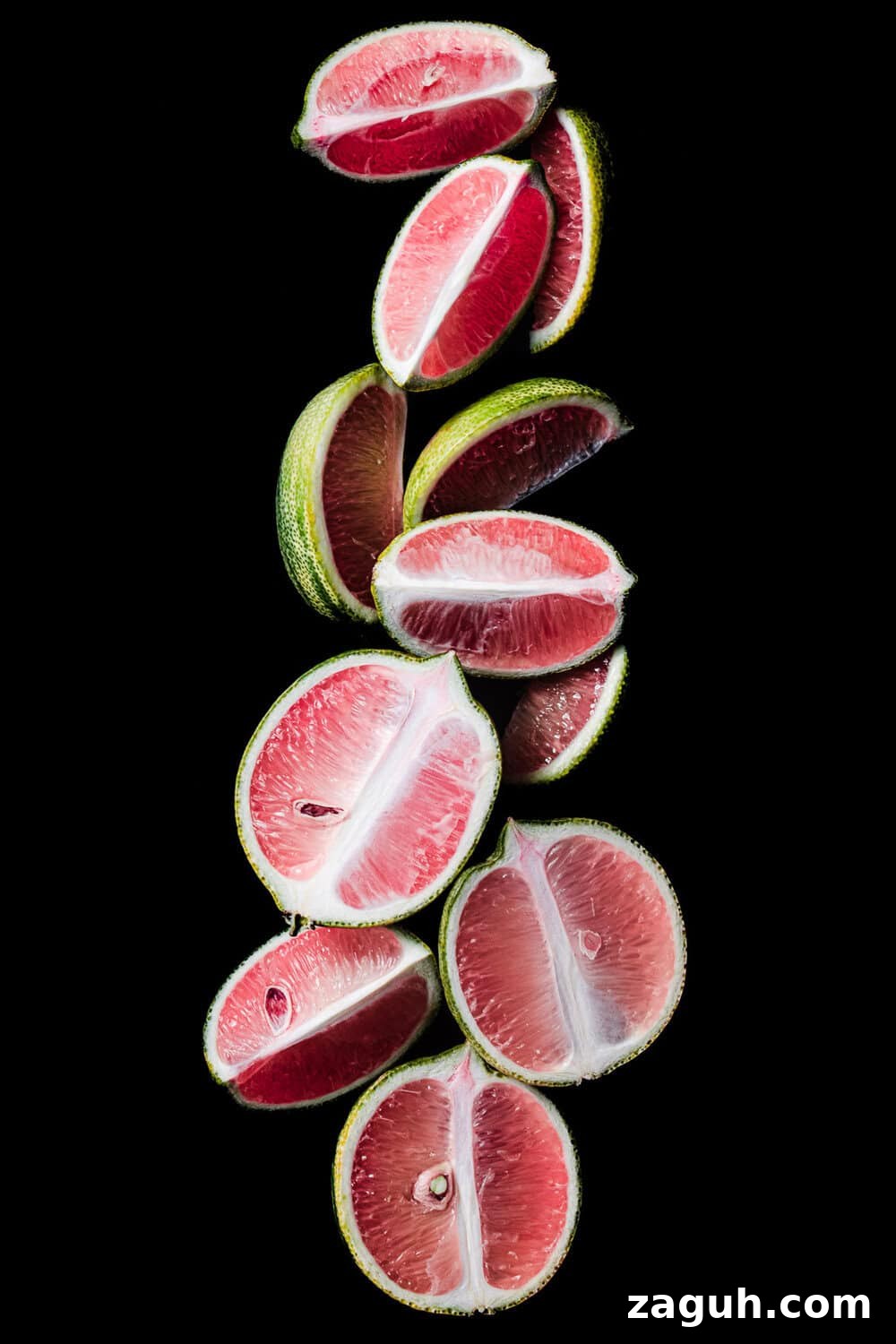
Pink lemons are a naturally occurring lemon variety with blush-pink flesh and a green-and-yellow striped rind. The slightly sweeter, more delicate cousin of the classic yellow lemon, they add both color and subtle flavor to a wide range of dishes.
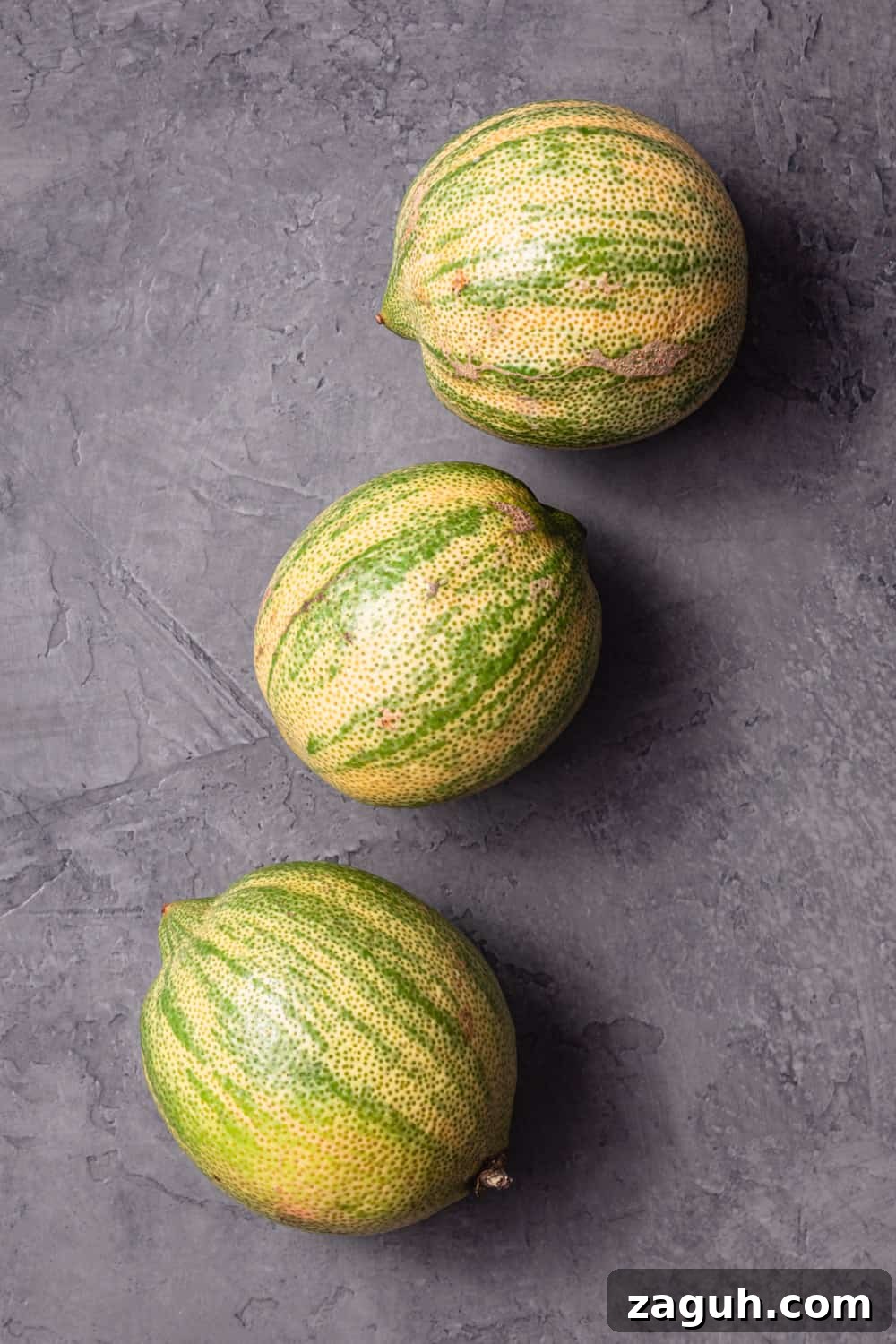
These distinctive lemons have pink-fleshed interiors and a striking variegated rind that ranges from green to yellow.
In this guide you’ll learn what pink lemons are, where they came from, how they taste, and the best ways to use them in the kitchen.
What are Pink Lemons?
Pink lemons, also known as Variegated Pink Lemons or pink-fleshed Eureka lemons, are a naturally occurring variety distinguished by rose-hued flesh and a green-and-yellow striped rind. Their interior color can resemble a pink grapefruit, offering an unexpected and attractive twist on familiar citrus.
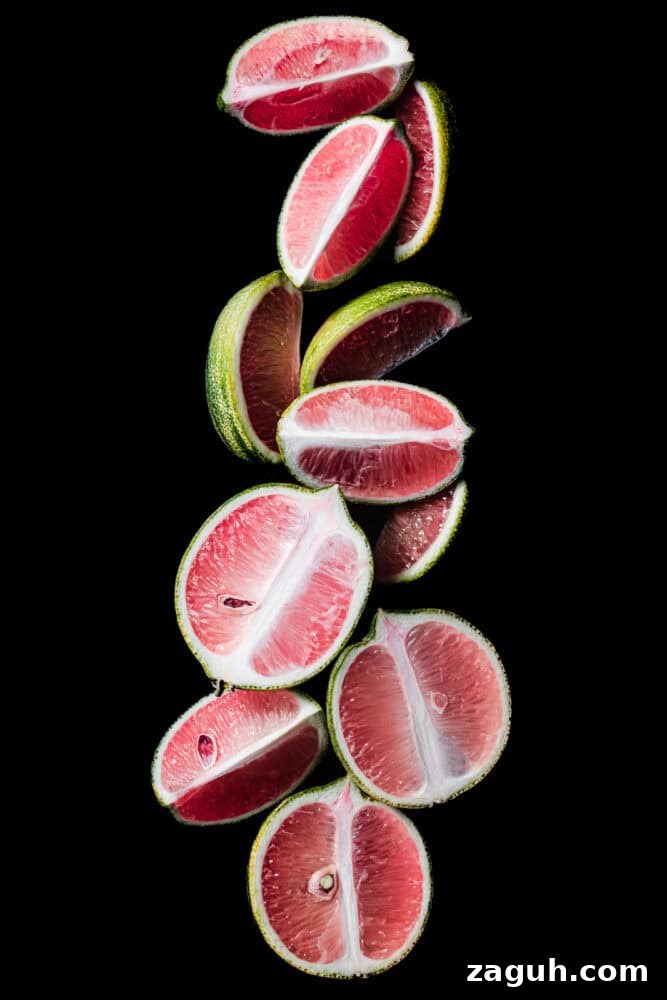
Why Are Pink Lemons Pink?
Pink lemons owe their color to a high concentration of lycopene, a naturally occurring carotenoid and antioxidant. Lycopene is the same compound responsible for the red color of tomatoes and the blush of pink grapefruit. That rosy interior gives pink lemons their standout appearance among citrus fruits.
Where do Pink Lemons Come From?
Pink lemons were first discovered in 1931 on a Eureka lemon tree in Burbank, California. They resulted from a spontaneous mutation and are now grown commercially in parts of Southern California. Although the flesh is pink, the juice usually runs clear.
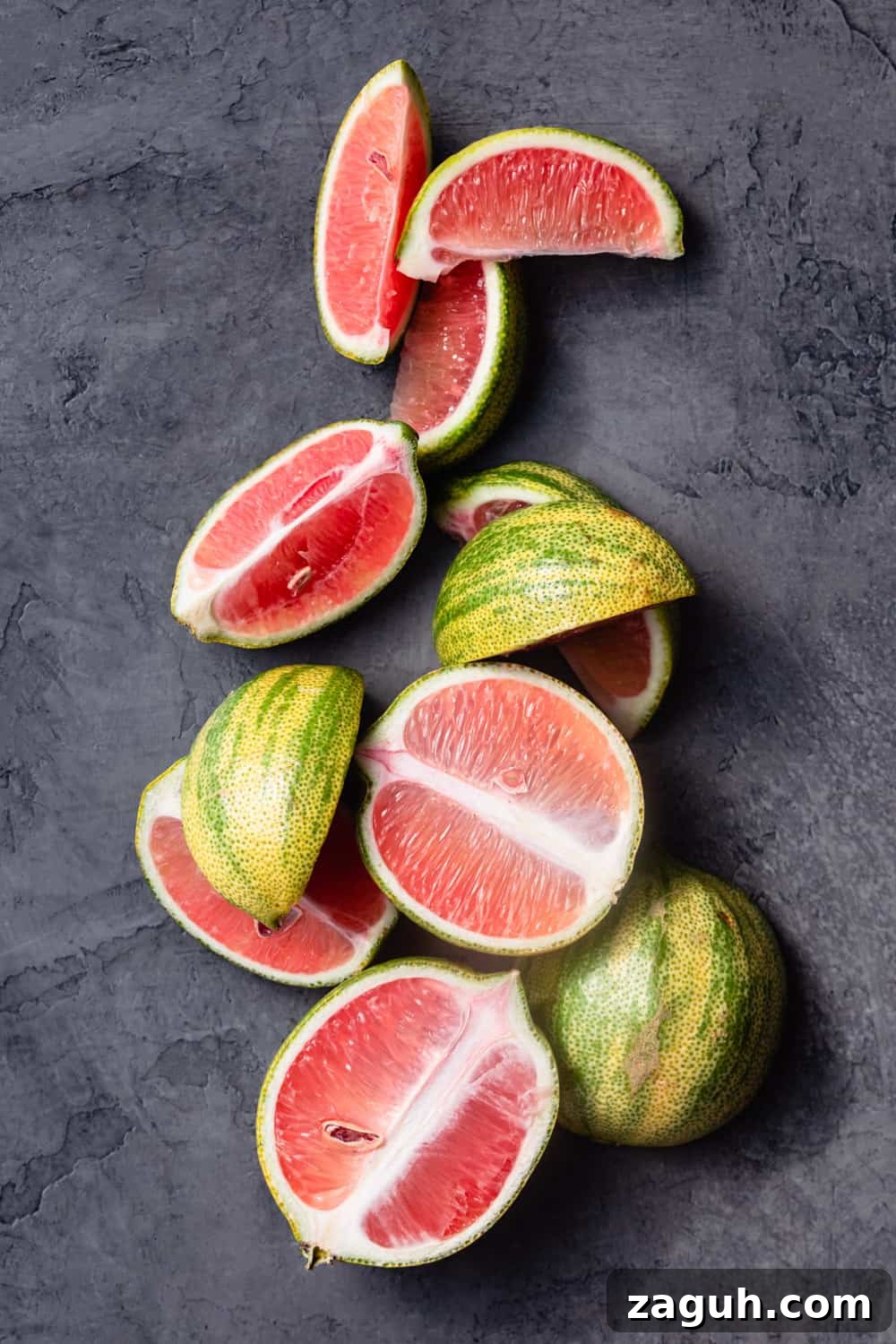
*Note: while the flesh of the lemon is pink, the juice is typically clear.
What do Pink Lemons Taste Like?
Pink lemons are usually less acidic and sharply tart than standard yellow lemons, with a subtly sweeter, more floral flavor profile. As they ripen, they grow milder and sweeter—the green stripes on the rind fade while the pink flesh deepens. They are often highly fragrant and tend to contain few seeds.
The flavor differences are nuanced; think of pink lemons as a gentler, slightly sweeter version of the common lemon. In most recipes, you can substitute pink lemons for yellow ones without issue.
Cooking with Pink Lemons
Their milder sweetness and floral notes make pink lemons particularly well suited to desserts such as lemon bars, lemon meringue pie, and sorbets. The pink flesh also makes them a charming addition to cocktails, mocktails, and other beverages where visual appeal matters.
Chef’s Tip: The pretty pink flesh generally loses its color when juiced, so pink lemons won’t reliably produce pink lemonade. Pink lemonade as a drink predates the discovery of pink lemons.
Use pink lemons anywhere you’d use standard lemons—zest, juice, slices, or wedges—to add brightness with a slightly softer edge.
Pink Lemon Season & Availability
Pink lemons are most commonly in season from late fall through early summer, with a winter peak. Trees thrive in warm climates and can produce fruit across multiple seasons, so supplies are often steady in suitable growing regions.
They are primarily grown in Southern California and are commonly found at farmers markets and specialty produce stores in that region.
All images in this post were photographed at a farmers market stand.
Buying & Storing Pink Lemons
When buying pink lemons, choose fruits that feel firm and smell fragrant, with unblemished skin. Properly stored in the refrigerator, they can keep for up to one month. Freezing whole fruit is not recommended if you want to preserve texture and flavor.
Hope this post inspired you to bring pink lemons into your kitchen!
These lemons are visually stunning and versatile—beautiful striped rinds and pink interiors make them a delight in both appearance and flavor. Whether you use them in baking, drinks, or savory dishes, they offer a subtle, sweeter citrus note.
More Pink Produce
If you enjoy pink lemons, there are other pink-hued fruits and vegetables to discover. Pink pineapple, pink apples, pink asparagus, pink oyster mushrooms, and pink garlic are a few examples of colorful produce that combine visual interest with unique flavors.
There’s a wide world of colorful fruits and vegetables—bring more of them home and experiment in the kitchen.
Let’s make waves in the kitchen.