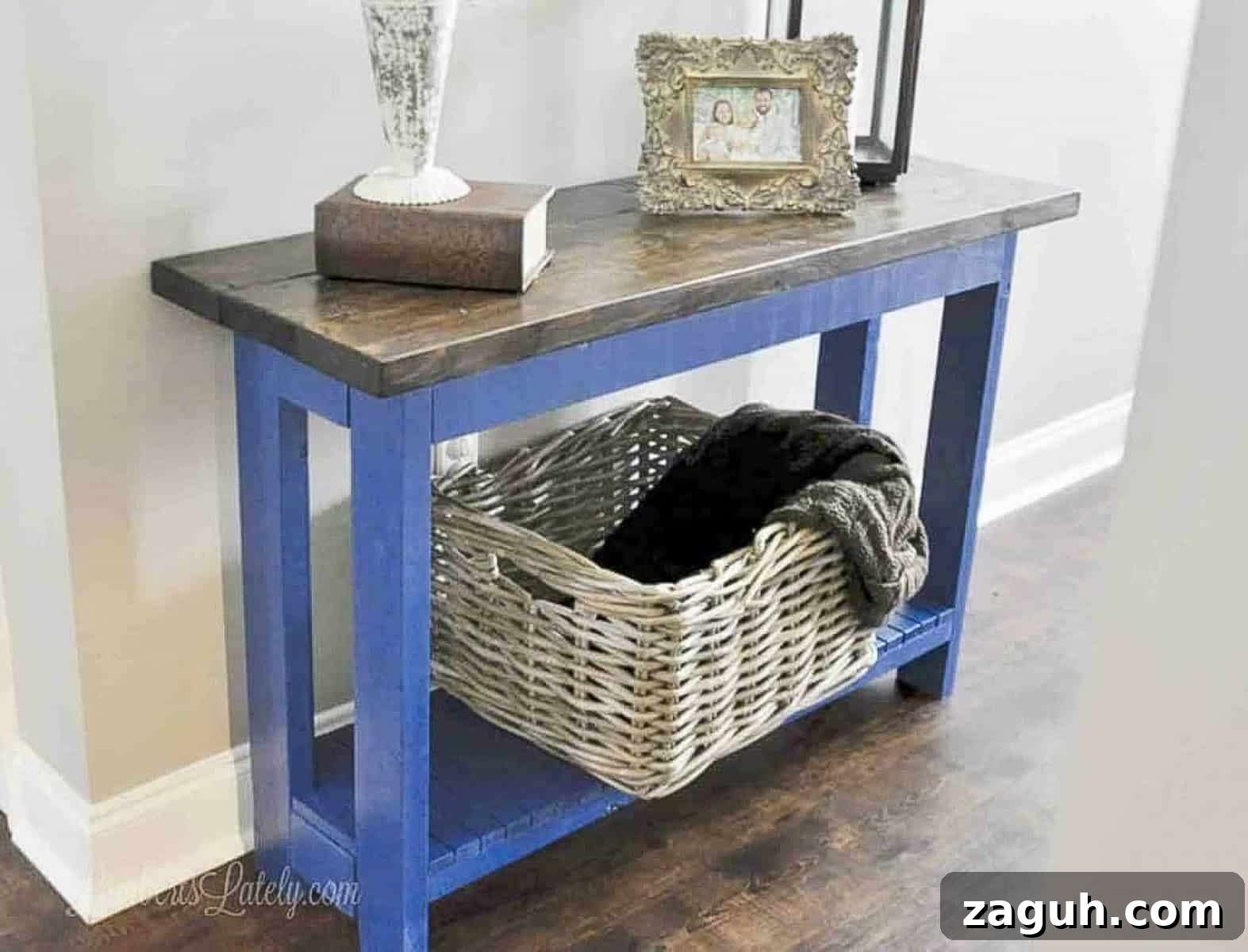
This post provides clear, step-by-step instructions for building a DIY console table — perfect as an entryway table. Find free plans, a supply list, and the exact wood cuts used.
Paid links appear in this post. Read more about link usage in the site’s disclaimer.
Have you ever started a simple home project that dragged on for months? That was this table for us.
We bought the lumber and supplies before the holidays but left them in the corner of the garage. One weekend we finally tackled the build and were surprised at how straightforward it was.
The entire build took about 5–6 hours from start to finish, and the finished piece is well worth the effort.
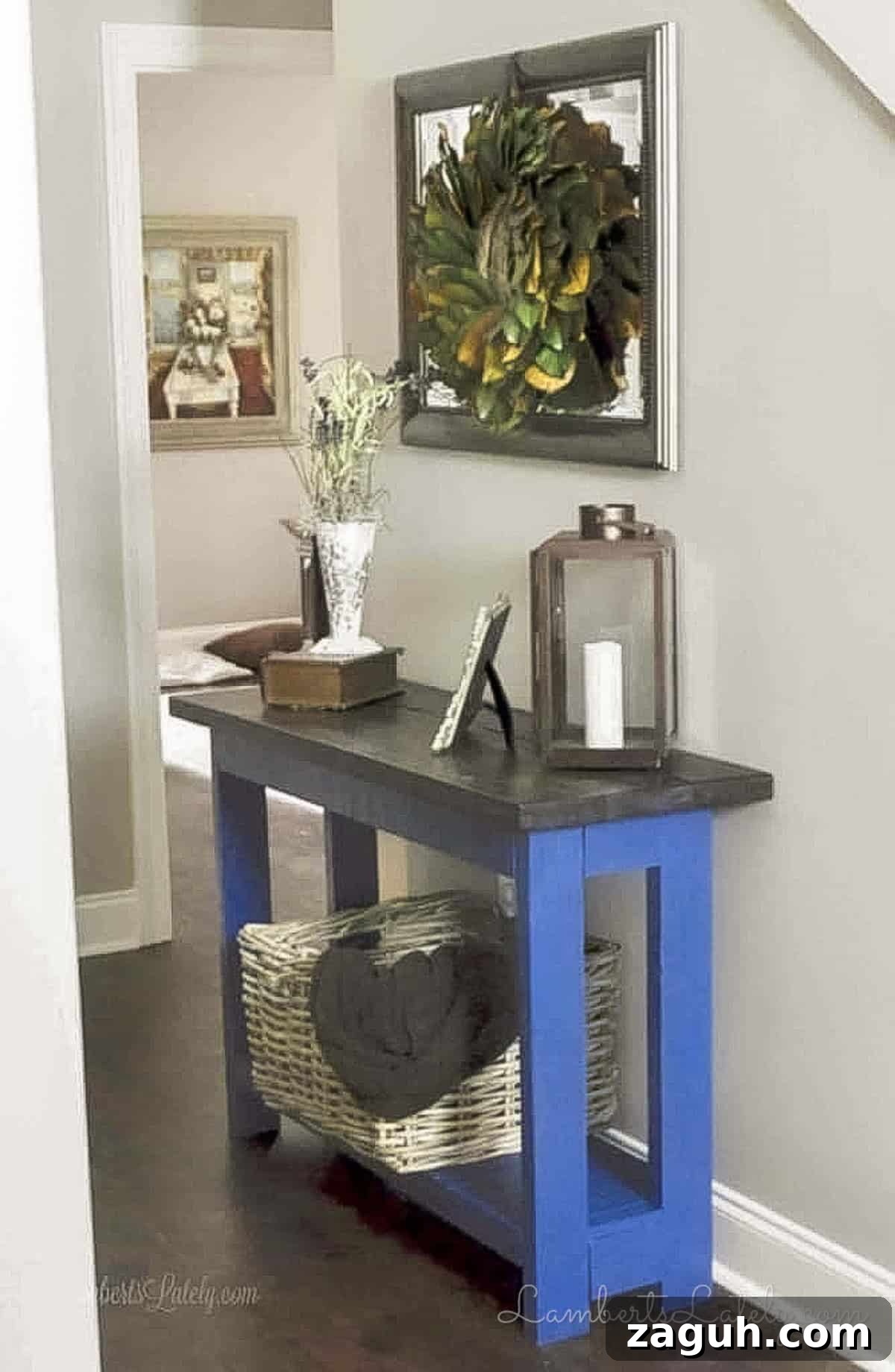
Interested in building one yourself? This is a great beginner woodworking project. Below I’ve outlined how we built ours, step by step.
Project supplies
Gather these supplies before you start:
- Circular saw
- Four 8′ 2×4 studs
- Four 8′ 1×2 strips
- Two 8′ 2×6 boards
- Pocket hole Kreg jig
- Drill
- 2.5″ pocket screws
- Air compressor nail gun (or 1.5″ nails and a hammer)
- 2.5″ self-tapping wood screws
- Wood filler
- Sander
- 1 pint stain of your choice
- 1 regular bristled paintbrush
- 2–3 disposable sponge brushes
- 1 quart paint of your choice
- ½ pint polyurethane finish
Final cost
Supplies for this table (excluding power tools) cost roughly $100 at the time of posting. For a solid wood console table, that’s an excellent value.
Step 1: Cut the lumber and drill pocket holes
I prefer to make all cuts before assembling. Having all pieces ready makes the rest of the build much smoother. A miter saw helps a lot; if you don’t have one, many home centers will cut lumber for you.
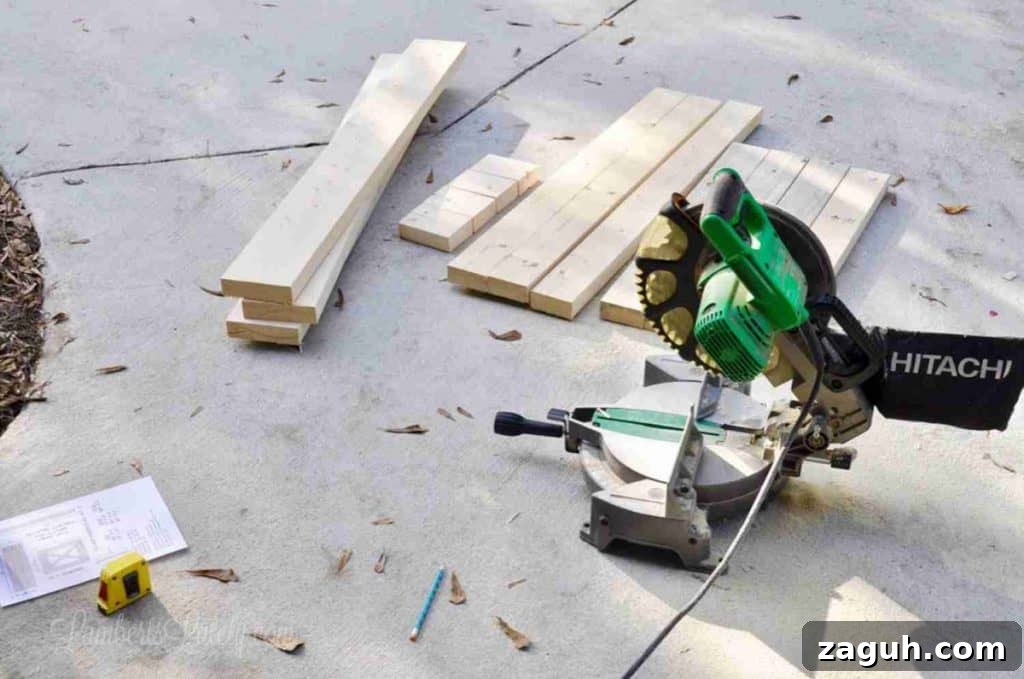
DIY console table plans
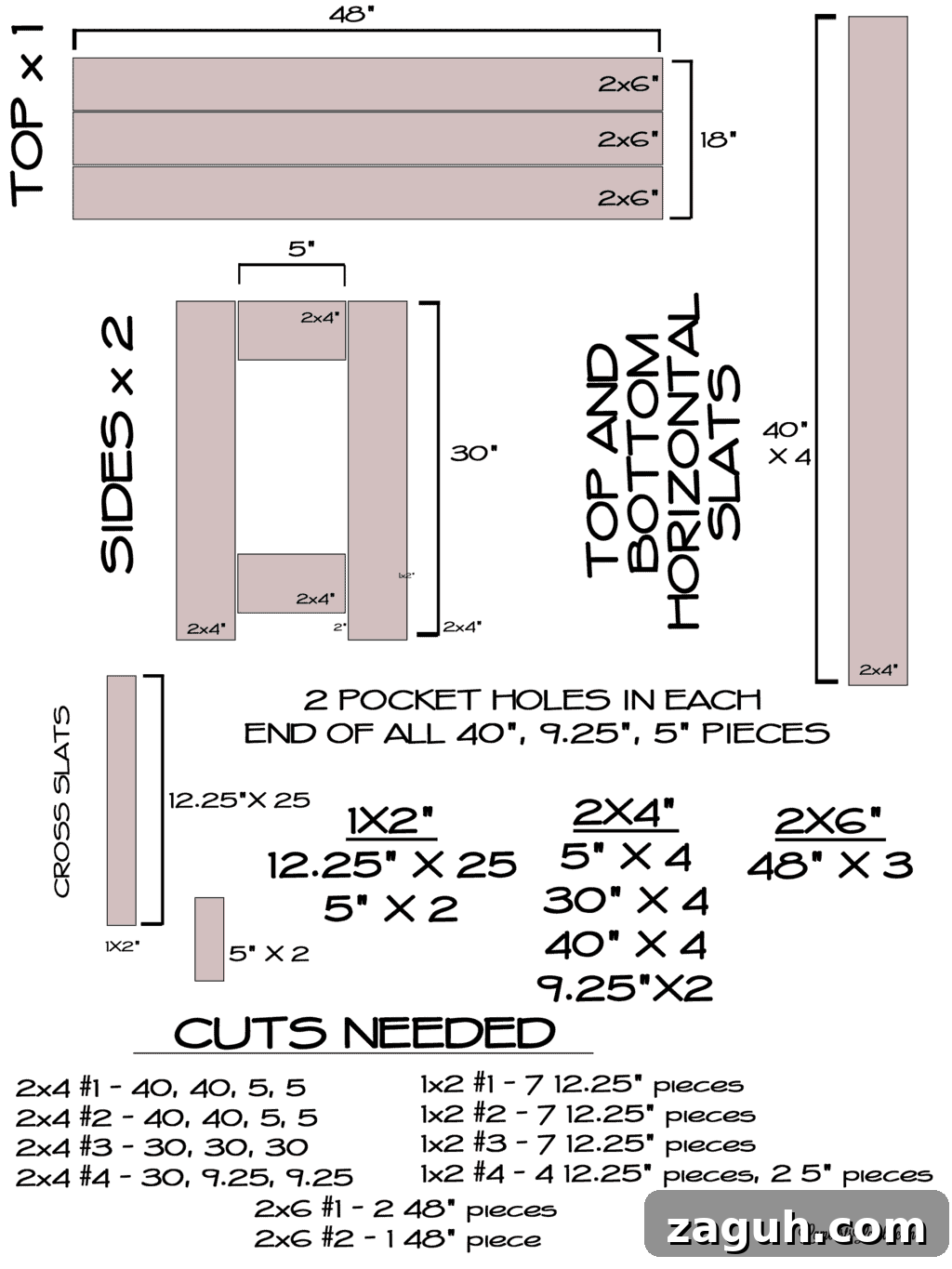
Use the plans above or follow this wood cut list:
Wood cut list
- 1st 2×4: 40″, 40″, 5″, 5″
- 2nd 2×4: 40″, 40″, 5″, 5″
- 3rd 2×4: 30″, 30″, 30″
- 4th 2×4: 30″, 9.25″, 9.25″
- 1×2 strips: multiple 12.25″ pieces (see plans) — cut slightly long if unsure
- 2×6 top pieces: three 48″ pieces
Note: If you’re unsure of final fit, leave a little extra length on the 1×2 12.25″ pieces — you can trim them later but can’t add wood back once cut. The 9.25″ 2×4 pieces can also be trimmed for a final fit if needed.
Table dimensions
This build yields a table roughly 48″ wide, 18″ deep, and about 42″ tall.
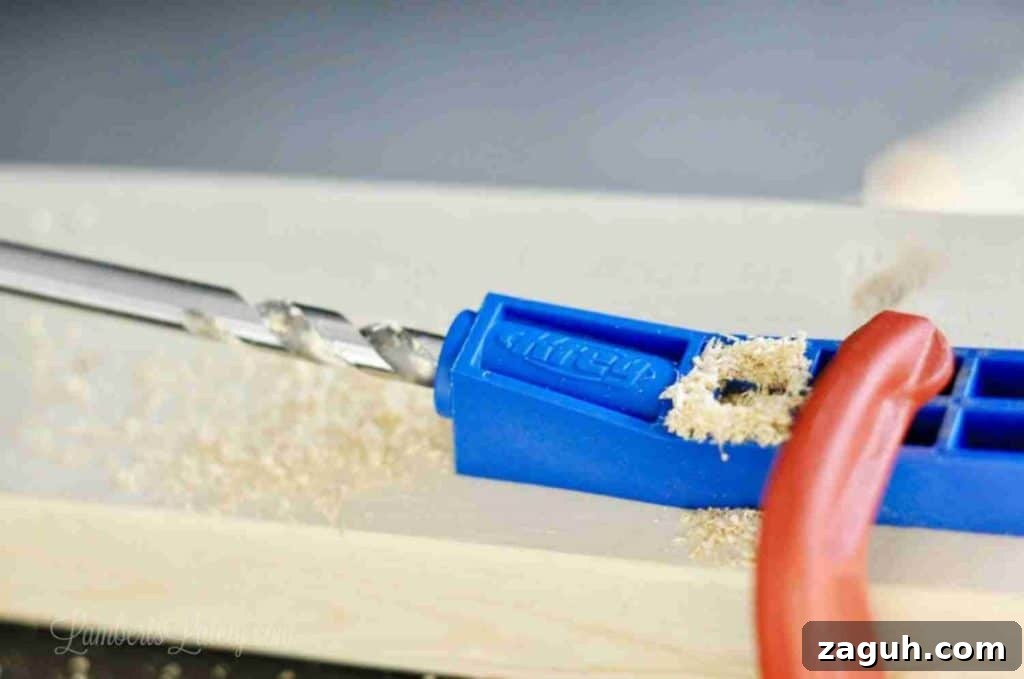
After cutting, drill all pocket holes with your Kreg jig. Add two pocket holes at each end of the 40″, 5″, and 9.25″ 2×4 pieces (four pocket holes per piece total). Fitting four pocket holes into shorter pieces can be tight but is possible; the photo shows how close they end up.
Step 2: Assemble the table ends
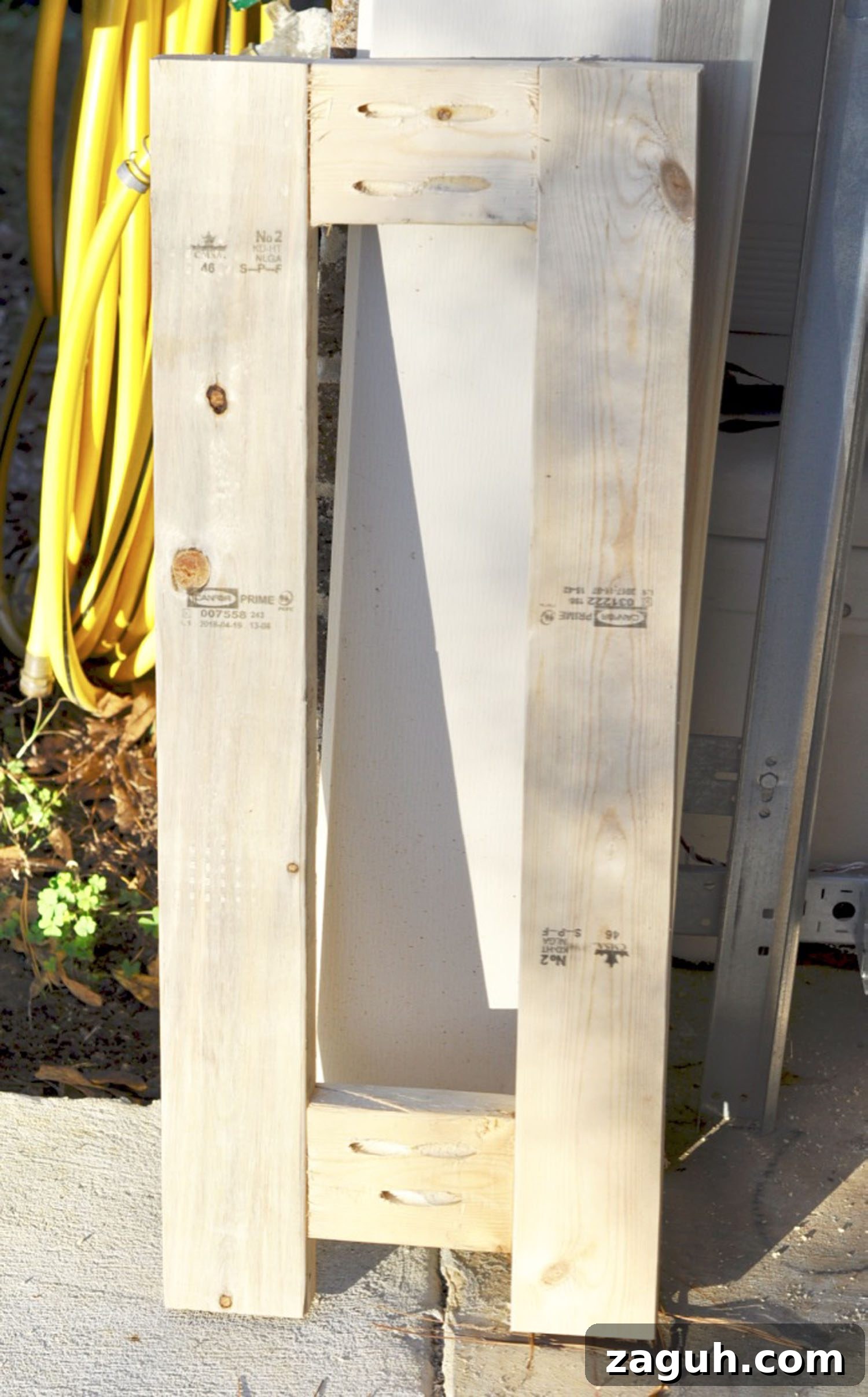
Assemble each end by joining two 30″ 2×4 legs with two 5″ cross pieces. Make two identical end assemblies.
Tip: Lay the four pieces flat and butt the top of the assembly up against a wall so the top 5″ piece sits flush with the top of the 30″ legs. This ensures a straight, level tabletop later.
Use 2.5″ pocket screws to fasten the 5″ pieces into the pre-drilled pocket holes. The top 5″ piece sits flush with the top of the legs; the bottom 5″ piece is set 2″ up from the bottom to create feet.
Step 3: Join the end assemblies to form the frame
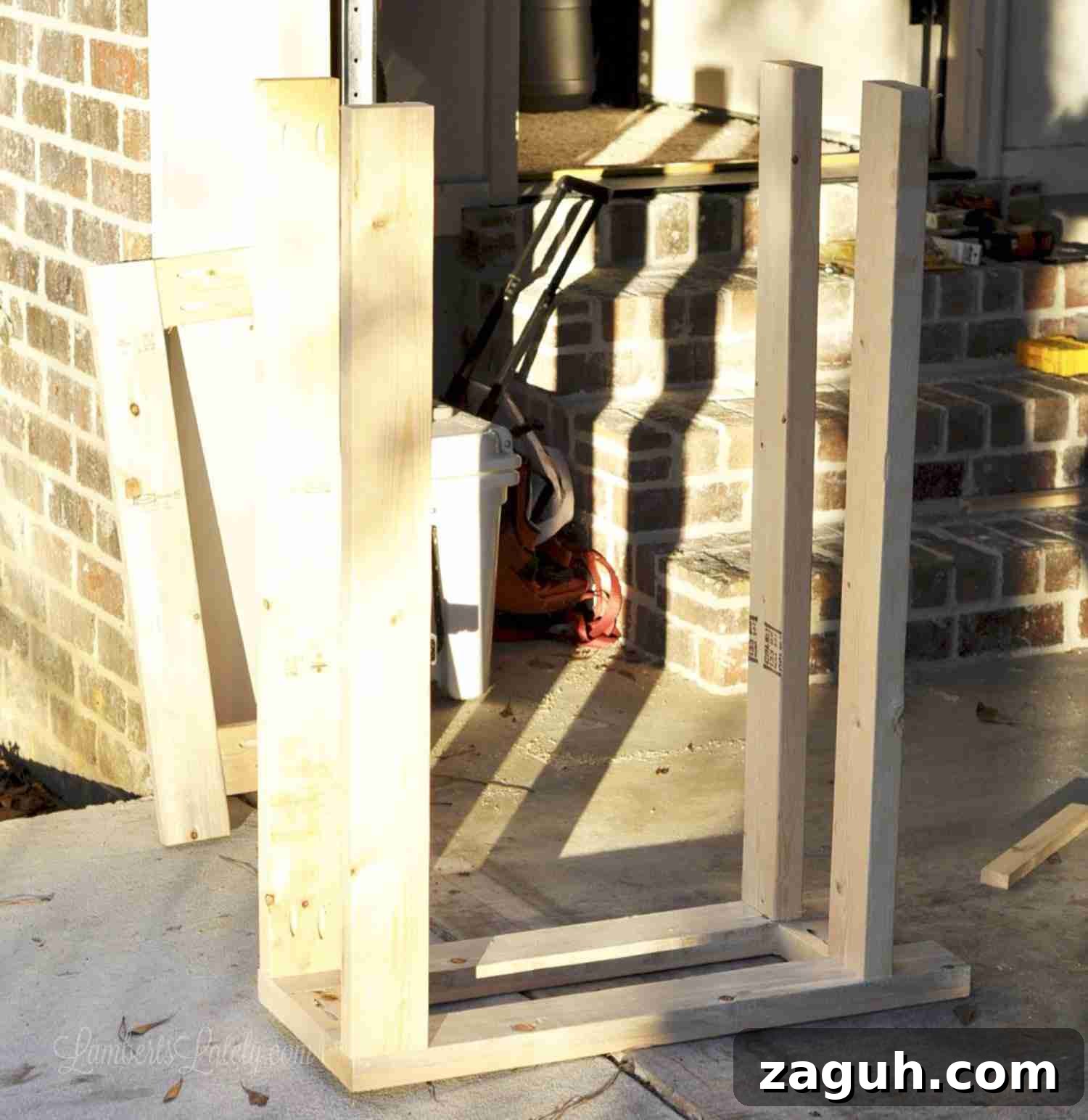
Attach the two end pieces using the four 40″ 2x4s. Two of those 40″ pieces will stand vertically at the top and align with the outer corners of the end assemblies. Fasten them with 2.5″ pocket screws into the pre-drilled holes.
The remaining two 40″ pieces are horizontal and sit flush with the top of the lower 5″ piece. Position the pocket holes so they face downward in the finished table, and secure them with pocket screws.
Once the four 40″ rails are attached, lay the second end assembly on the floor with the outside facing down, flip the assembled frame onto it, align everything, and fasten the 40″ pieces into the second end. Your basic table frame is now complete.
Step 4: Install the bottom slats
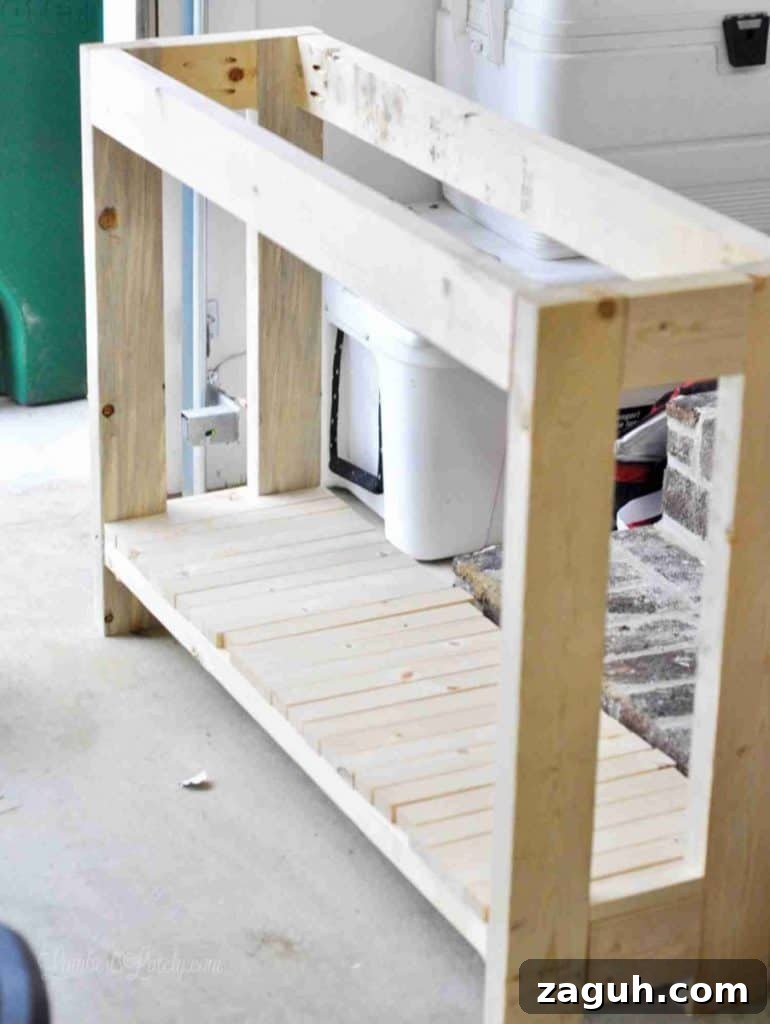
Line up the 1×2 slats between the two end pieces with a small, even gap between each slat. You should have 25 slats total for this bottom shelf. Add the two 5″ 1×2 pieces to complete the spacing at the ends.
Check that all slats are the same length and trim if necessary. Once satisfied with the spacing, secure each slat with a nail at each end. A pneumatic nailer speeds this up, but you can use a hammer and 1.5″ nails. I used two nails per slat (one at each end).
Step 5: Attach the tabletop
The two remaining 9.25″ 2×4 pieces act as support braces for the tabletop. These should already have pocket holes.
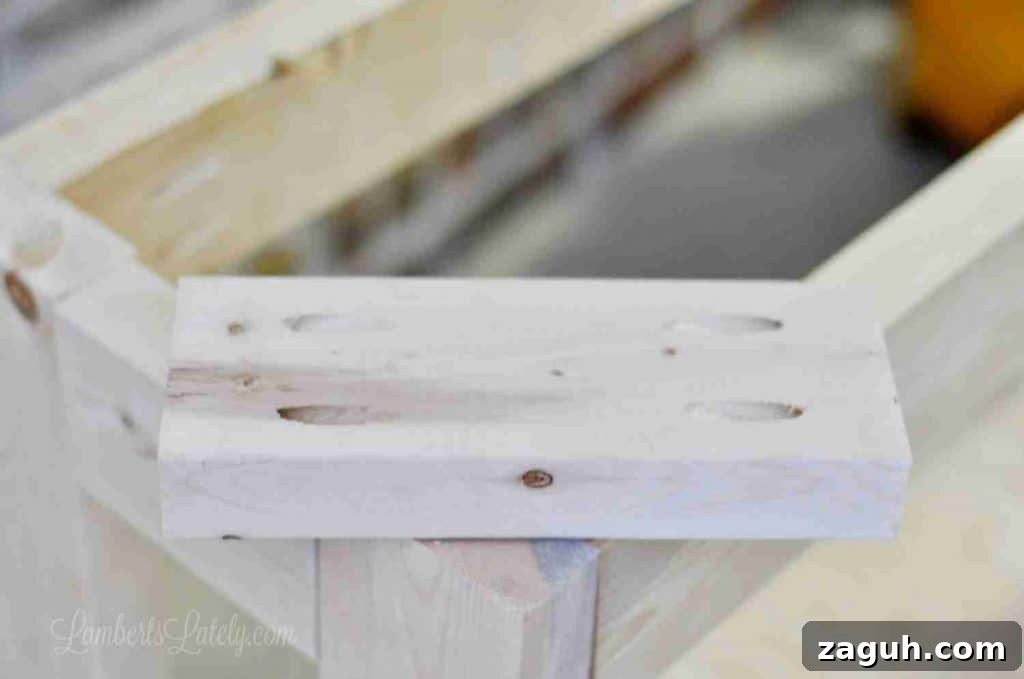
Turn the table upside down on a flat surface and lay the support braces flush with the top edges. Position them roughly at the one-third and two-thirds points along the table length; precise spacing is not critical since these will be hidden.
Drive 2.5″ pocket screws into each pocket hole on the 9.25″ braces to secure them.
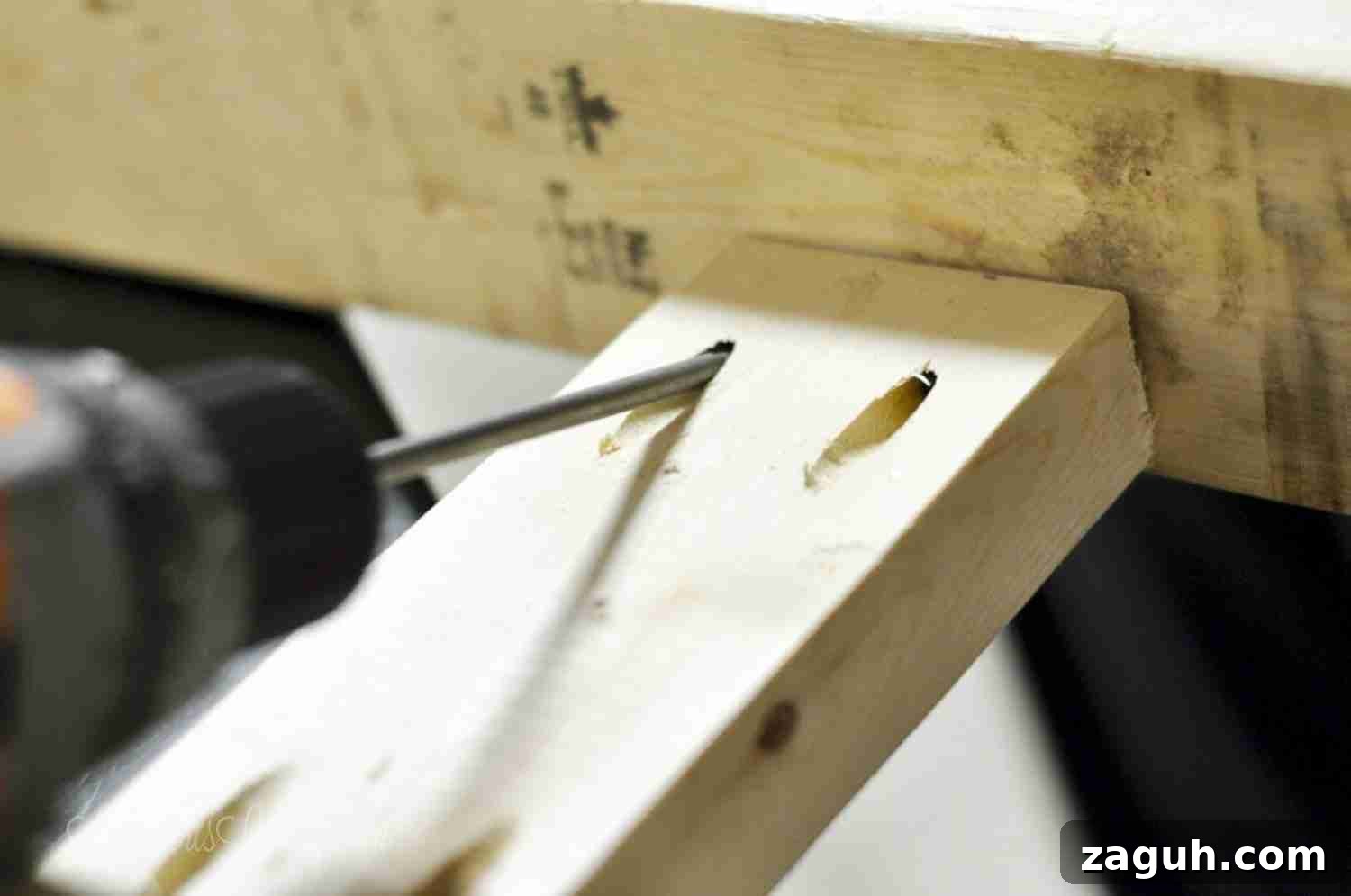
Center one 2×6 top board on the table and fasten it with two 2.5″ self-tapping screws on each side, screwing into the end rails and into both support braces (six screws total for the center board). Add the remaining top boards, securing each with two screws per side and at least one screw into each support brace for a total of four screws in the front and back top boards.
Tip: Drive screws slightly below the surface so you can fill the holes for a clean finish.
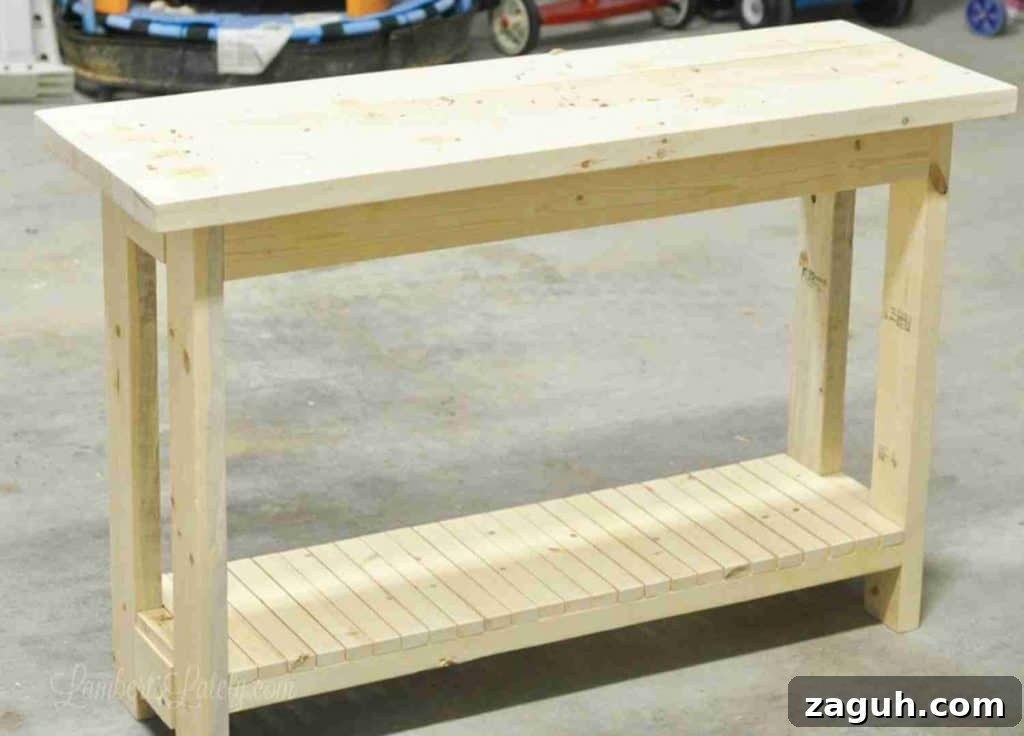
Your table is assembled — now it’s time to finish it.
Step 6: Fill, sand, paint, and stain
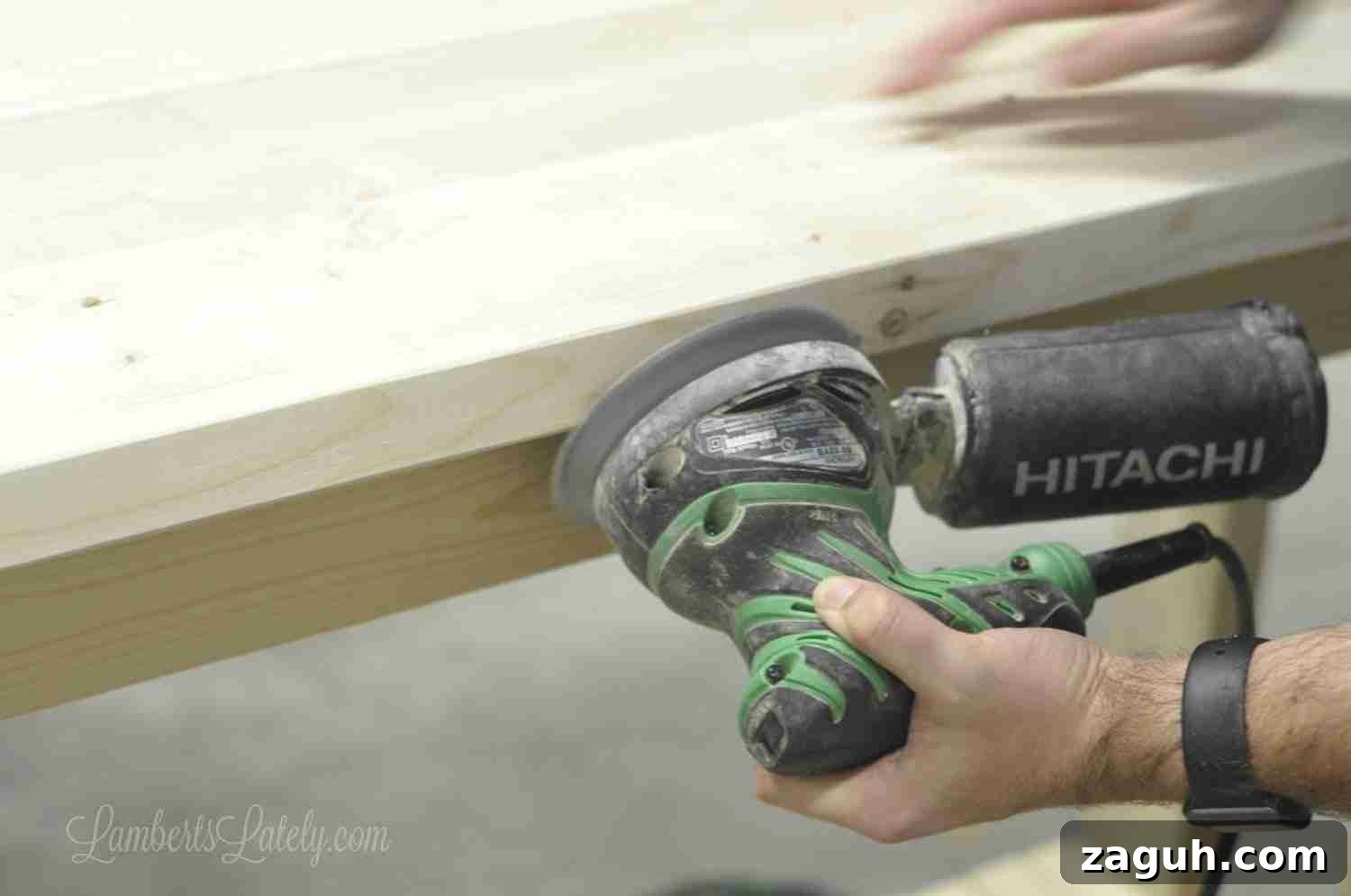
Start by filling screw and pocket hole marks with a wood filler that stains well. Once the filler is dry, sand all exposed surfaces with an orbital sander. Soften sharp edges slightly for a more finished, slightly weathered look.
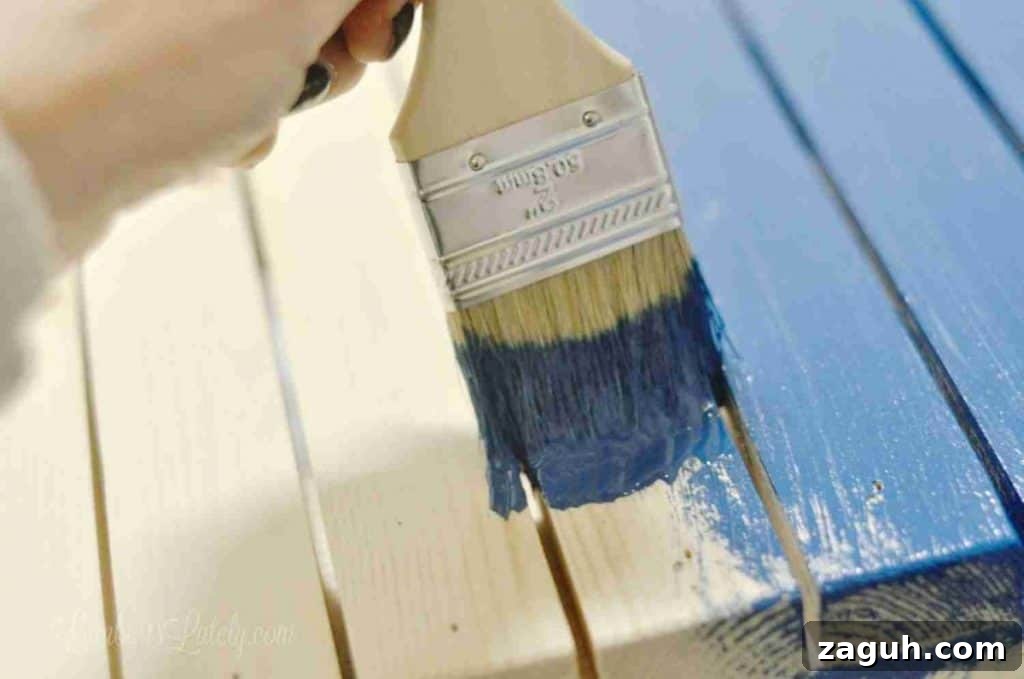
Paint the table base with the color of your choice. For this build a deep blue was used; one quart of paint is typically enough for the base. Apply two coats for full coverage, paying special attention to brush between the slats. If paint pools between slats, run a piece of cardstock between them before it dries to separate the boards and prevent drips.
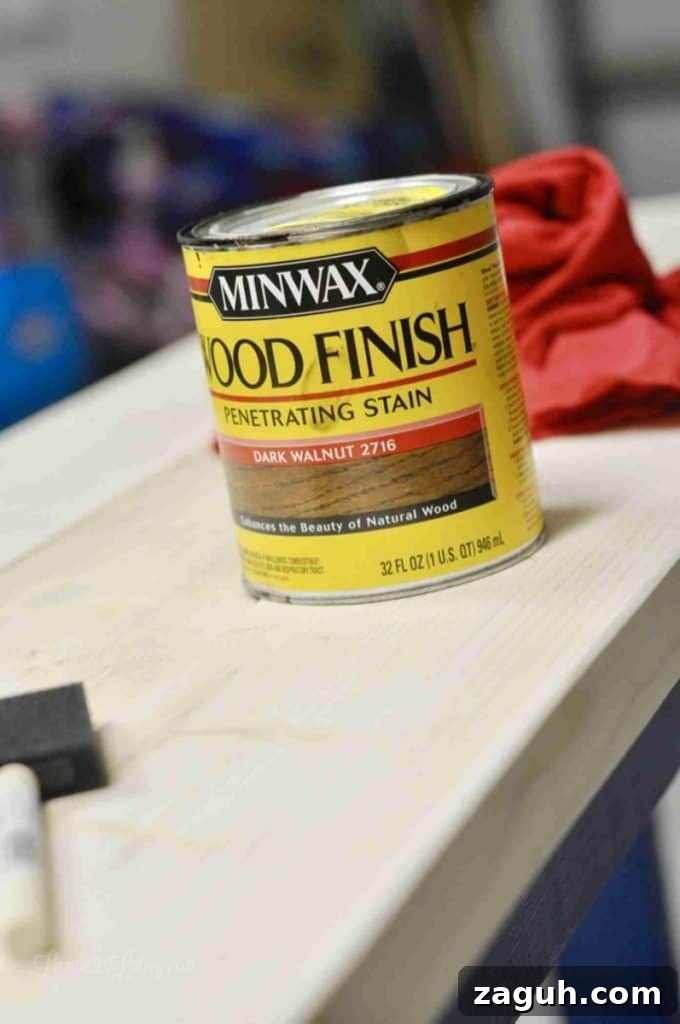
While paint dries, stain the tabletop. Apply stain with a sponge brush or cloth, let it sit to reach the shade you want, then wipe off the excess. Repeat for a deeper color. Minwax Dark Walnut is a versatile choice, but pick any stain you prefer.
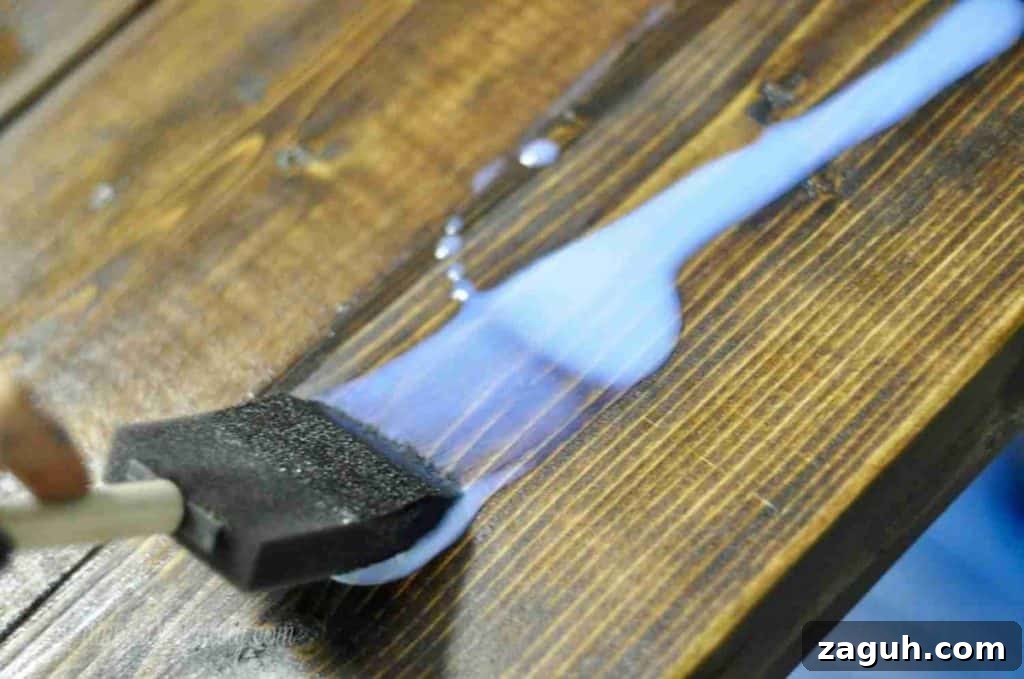
After the stain dries overnight, seal the top with a clear polyurethane. Apply thin coats and allow proper drying time between coats. For a table with light use, two coats may be sufficient; for heavy use, plan on three to six thin coats for added durability.
Once the finish cures, your DIY console table is ready to style and install in your entryway.
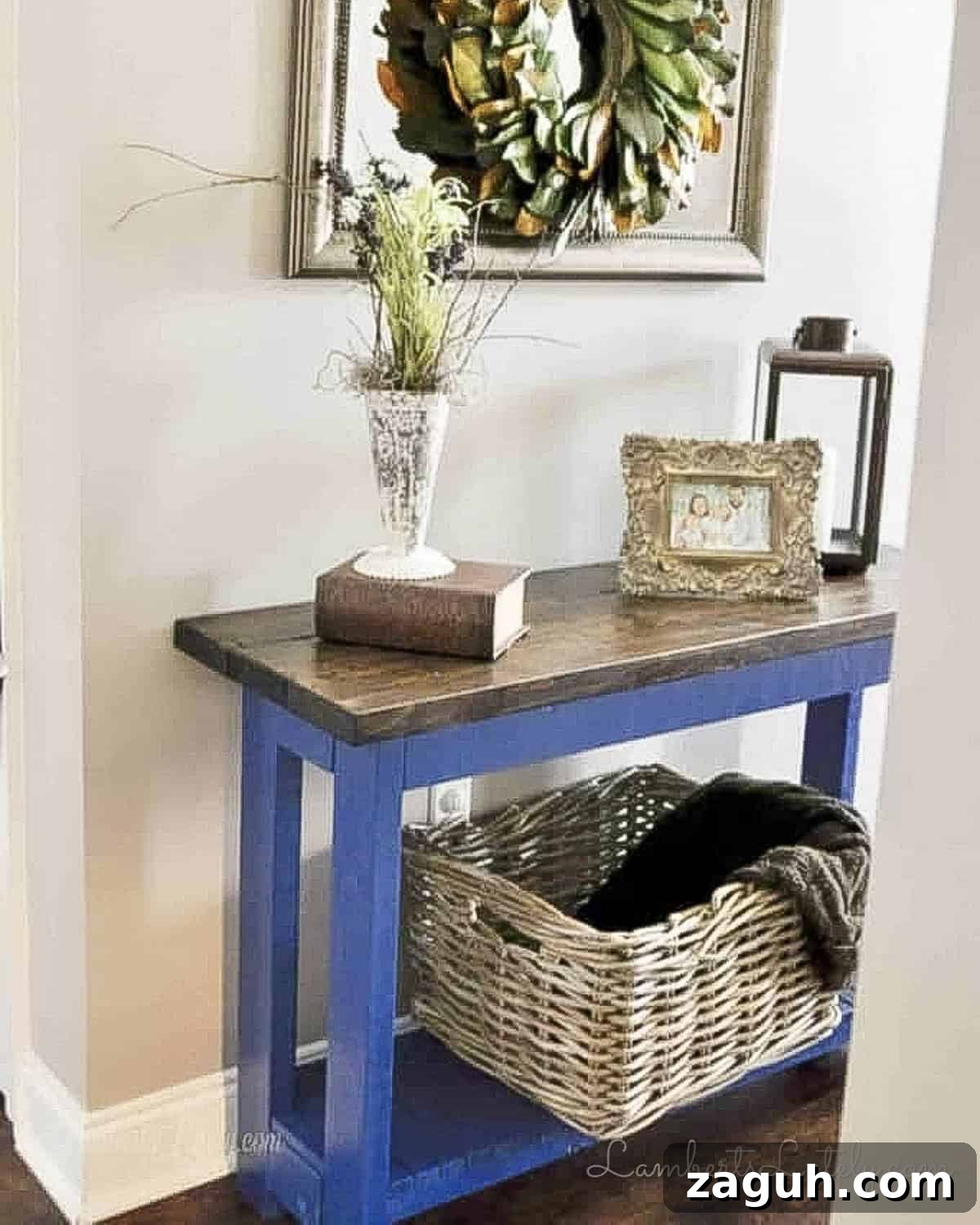
Final console table
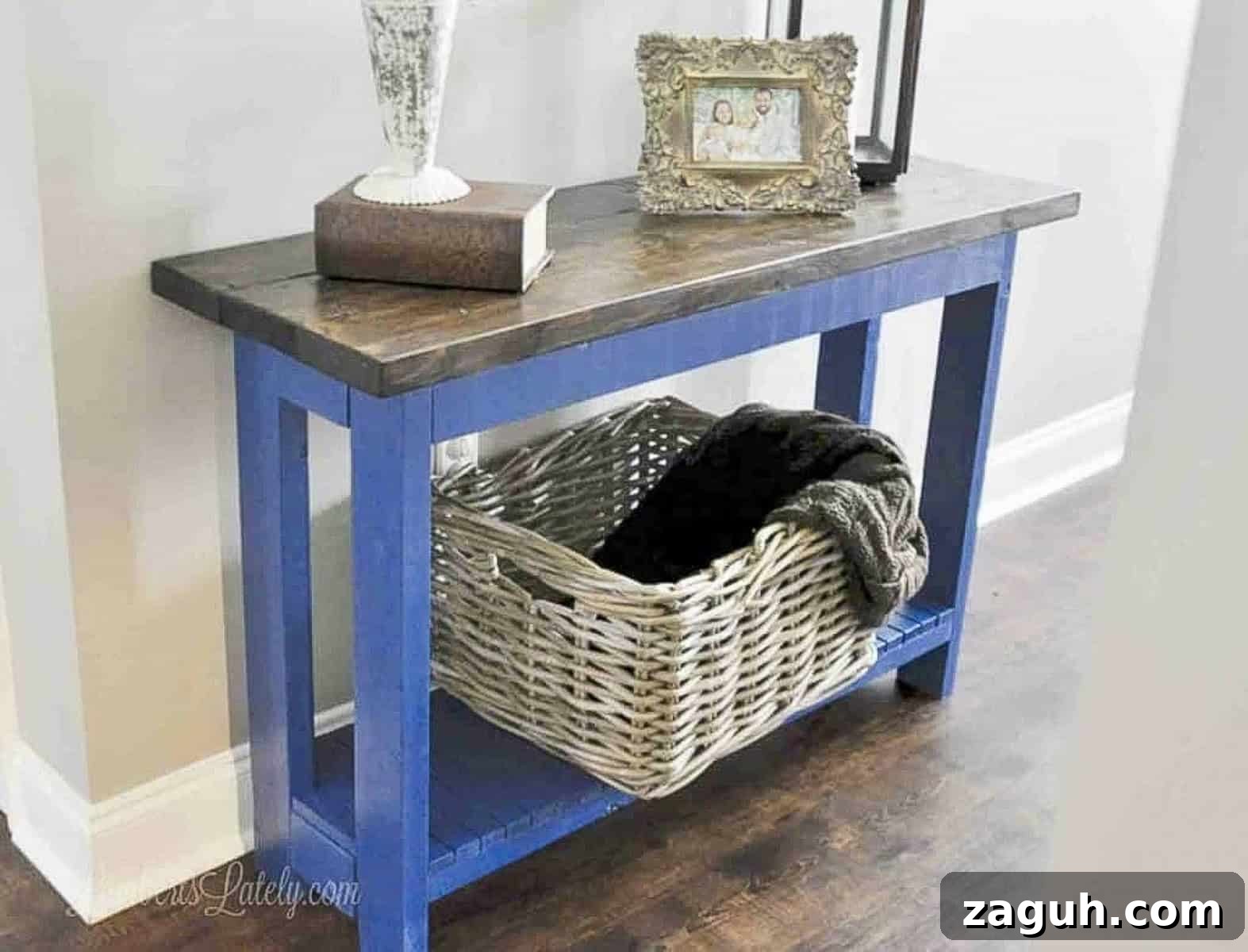
The build requires some time and patience, but the result is a durable, attractive console table you can be proud of. This one has held up well and continues to be a favorite in our home.
More DIY furniture
-
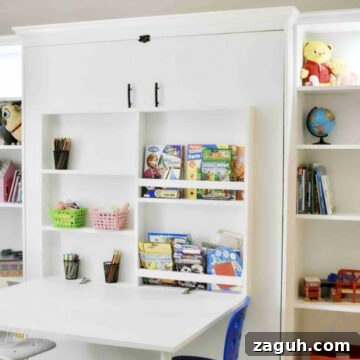
How to Build a DIY Murphy Bed with Desk and IKEA Bookcases
-
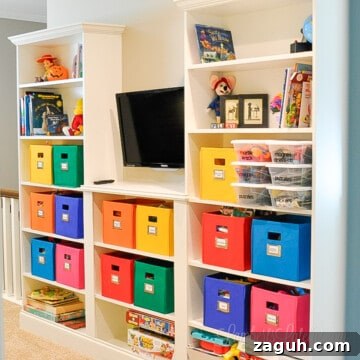
Ikea Built-In Hack with Billy Bookcases
-
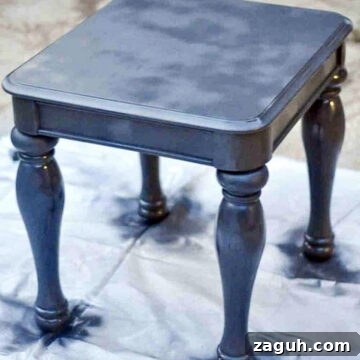
How to Spray Paint Laminate Furniture
-
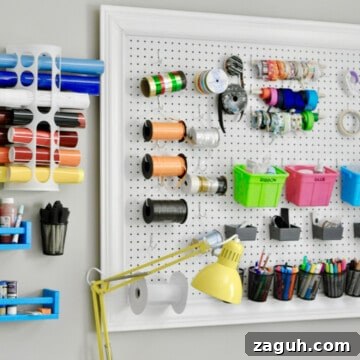
How to Hang a Large Framed Craft Room Pegboard
If you build this table, I’d love to see it. Comment with your experience or share photos on social media using the project handle.