My grandmother has always had a sweet tooth and always made room for dessert. As a child, before school, she and a friend would stop at the local mill run by the friend’s family and slip a handful of dried chestnuts from the large sacks into their pockets. Those dried chestnuts, soon to be ground into flour, were their simple, sweet, nutritious morning snack.
In the hills between Florence and Siena, chestnuts and chestnut flour were central to household economies.
Today it can be hard to find good-quality chestnut flour, and it is considerably more expensive than it was. A local organic stone-ground wheat flour costs about €2 per kilogram. An organic, stone-ground chestnut flour made from local chestnuts can range from €10 to €15 per kilogram. It was once the flour of the poor—used when wheat was scarce or unaffordable—but now it is prized as a gluten-free delicacy: nutritious and rich in fiber, minerals and vitamins.
Chestnut flour remains one of the cornerstones of cucina povera, the peasant cooking of the Tuscan mountains—from Garfagnana and Lunigiana, through the Appennino Pistoiese, down to Mugello and Mount Amiata. In years of famine and hardship, chestnuts sustained local communities with their high calorie content and versatility. Once ground to flour, chestnuts become polenta, porridge, bread, cakes, biscuits, fresh pasta and necci—thin Tuscan crêpes.
From chestnuts to flour
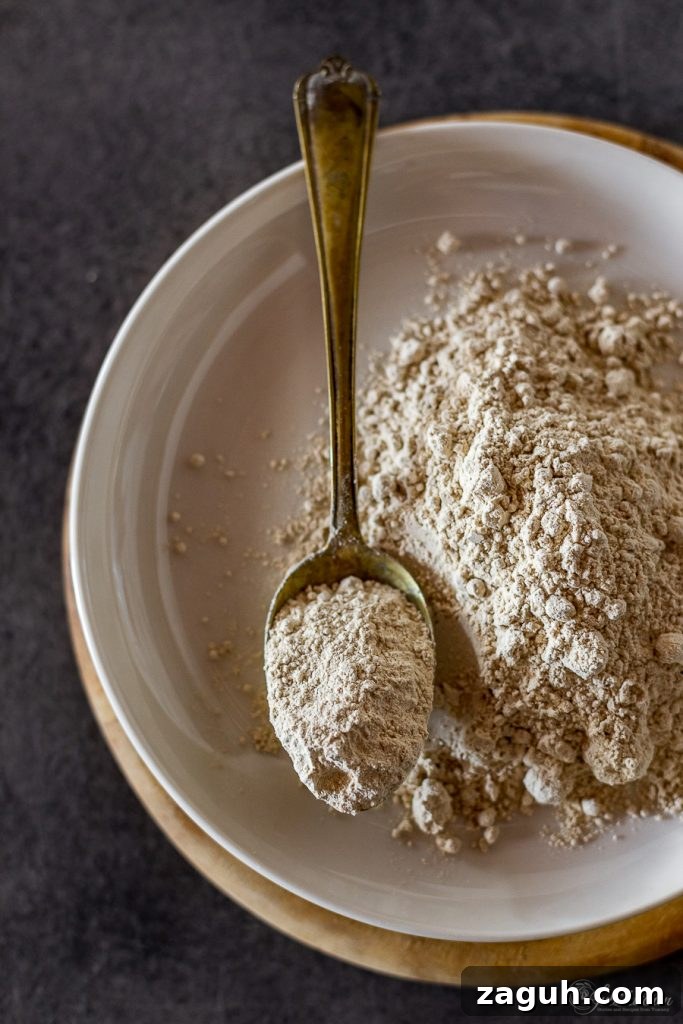
Traditionally, chestnuts are harvested in autumn and dried for about forty days in a small hut in the woods, where a fire fueled by chestnut wood slowly removes moisture. When completely dry, they are gradually ground between millstones. The best time to buy chestnut flour is after mid-November, when the new season’s flour becomes available at markets.
Known for centuries as farina dolce—“sweet flour”—chestnut flour really tastes sweet when a pinch is allowed to dissolve on the tongue, with the same dry, mellow sweetness of a roasted chestnut. That natural sweetness lets you reduce or even omit added sugar in many recipes, as in traditional castagnaccio.
Starting the chestnut tour in Lunigiana
Lunigiana sits between Liguria and the sea, beneath the Apuan Alps and bordering Emilia Romagna. Its landscape and cuisine differ from the rolling vineyards and olive groves that many associate with Tuscany: here the forest dominates. Chestnuts and mushrooms fed Lunigiana’s peasants for generations. Chestnut cultivation was present from Roman times and expanded notably from the fifth and sixth centuries onward.
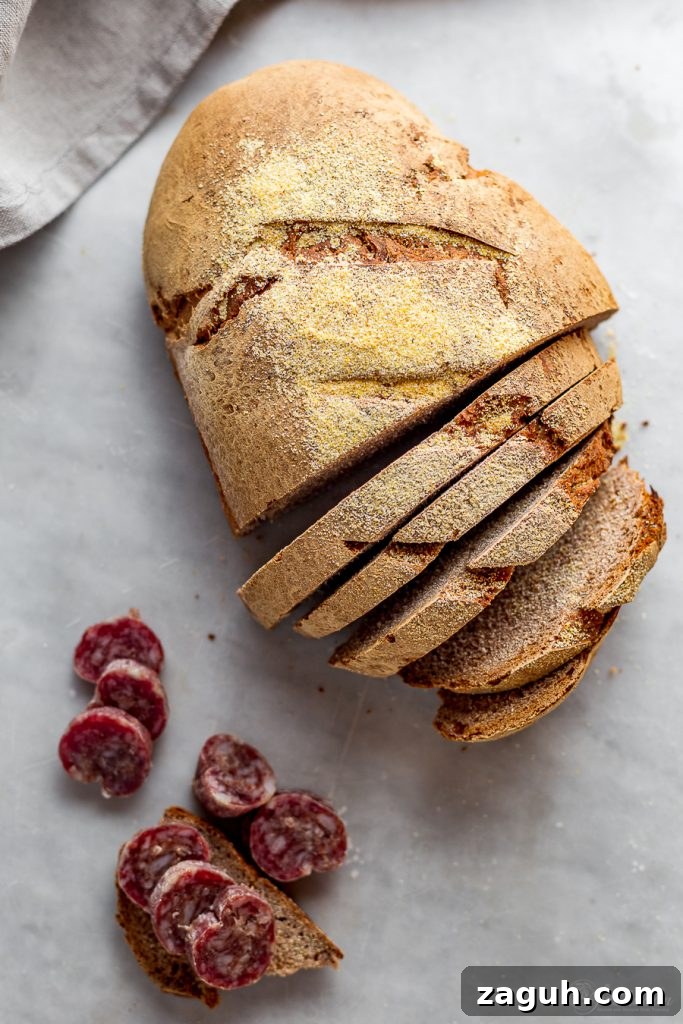
Chestnut flour is central to traditional dishes such as Tuscan chestnut gnocchi cooked in milk, castagnaccio and marocca—a dense dark bread made with chestnut flour. Today Marocca di Casola combines wheat flour, chestnut flour and mashed potato to make a spongy bread that pairs beautifully with ricotta, honey, anchovies, lardo di Colonnata or local pancetta. Marocca di Casola is listed as a Slow Food product.
Lunigiana also produces bastarda, a fresh pasta that mixes wheat and chestnut flours—hence the name “illegitimate.” A recipe for this pasta appears later in this post.
Garfagnana: a rival for the best chestnut flour
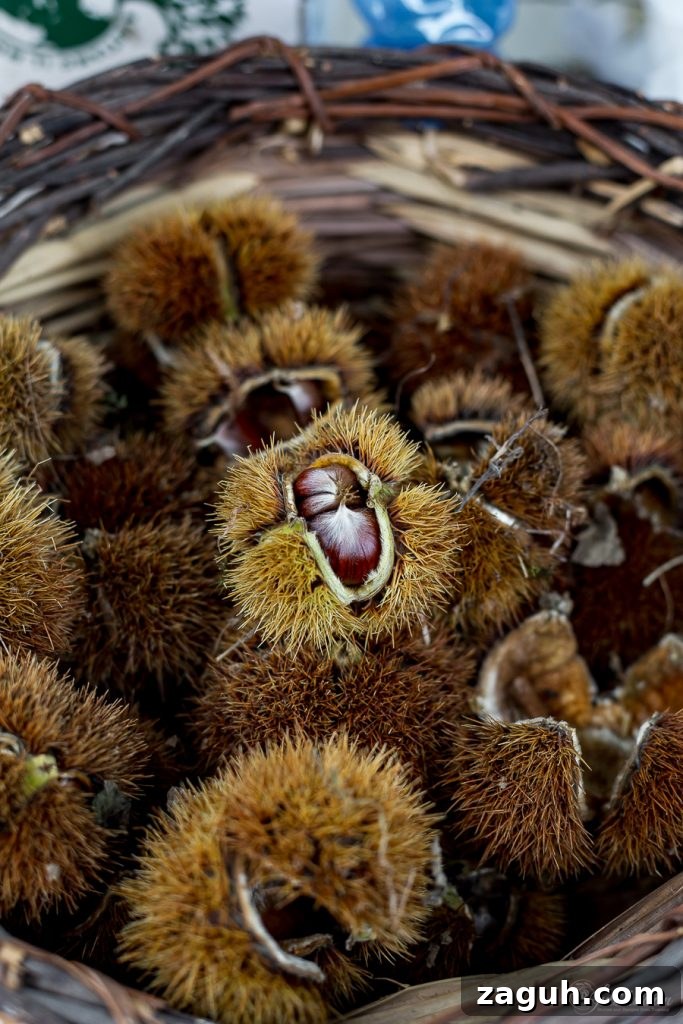
Garfagnana and Lunigiana both produce chestnut flour protected by DOP certification, which guarantees regional quality and production methods. Garfagnana was once isolated and poor, contested by nobles from Ferrara, Lucca and Florence. Today it draws visitors for an authentic, less romanticized Tuscany of chestnut groves, oak and pine woods, castles and mountain towns. Its cuisine is shaped by scarcity and resourcefulness: spelt, chestnuts, a local corn called formenton otto file, mushrooms and game have sustained the population for centuries.
Local chestnut flour is used to make manafregoli, a soft chestnut polenta eaten with cold milk or cream, or served with ricotta, sautéed mushrooms and cured meats. Chestnut flour is also essential for castagnaccio, the thin, rustic chestnut cake.
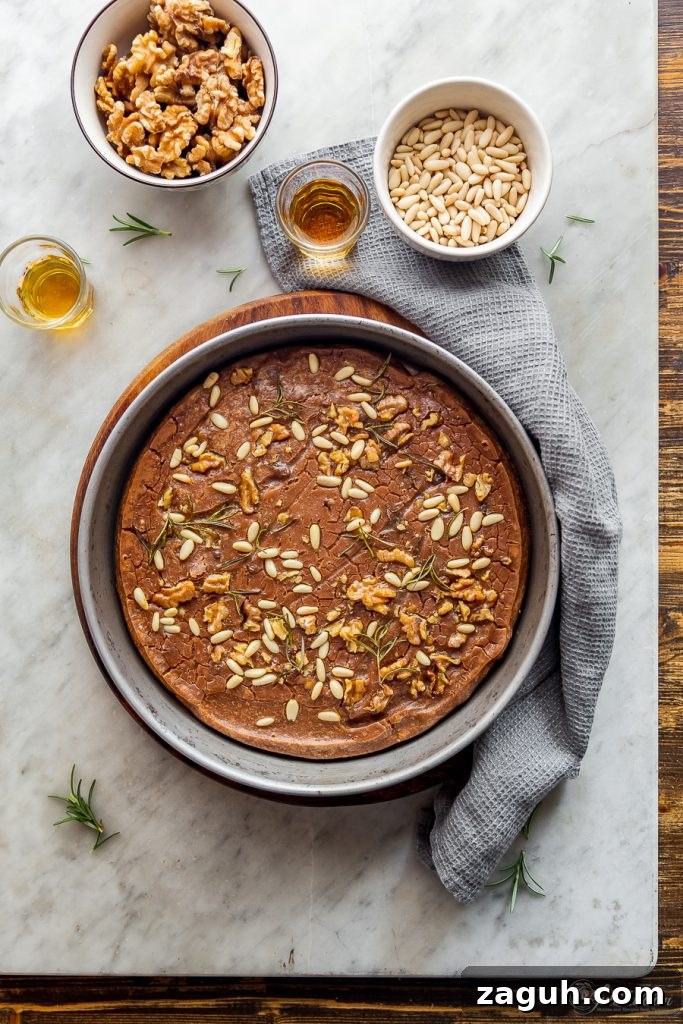
Castagnaccio: Tuscany’s emblematic chestnut cake
Castagnaccio is an ancient, thin chestnut cake born of frugality and ingenuity. The simplest version needs only chestnut flour, water, olive oil and rosemary, baked into a cake with a sharp, slightly smoky flavor and a dense texture like bread pudding. Regional variations add raisins, pine nuts, walnuts or orange zest. Garfagnana’s castagnaccio often includes walnuts and orange zest, which lend a citrus warmth that makes the cake feel festive.
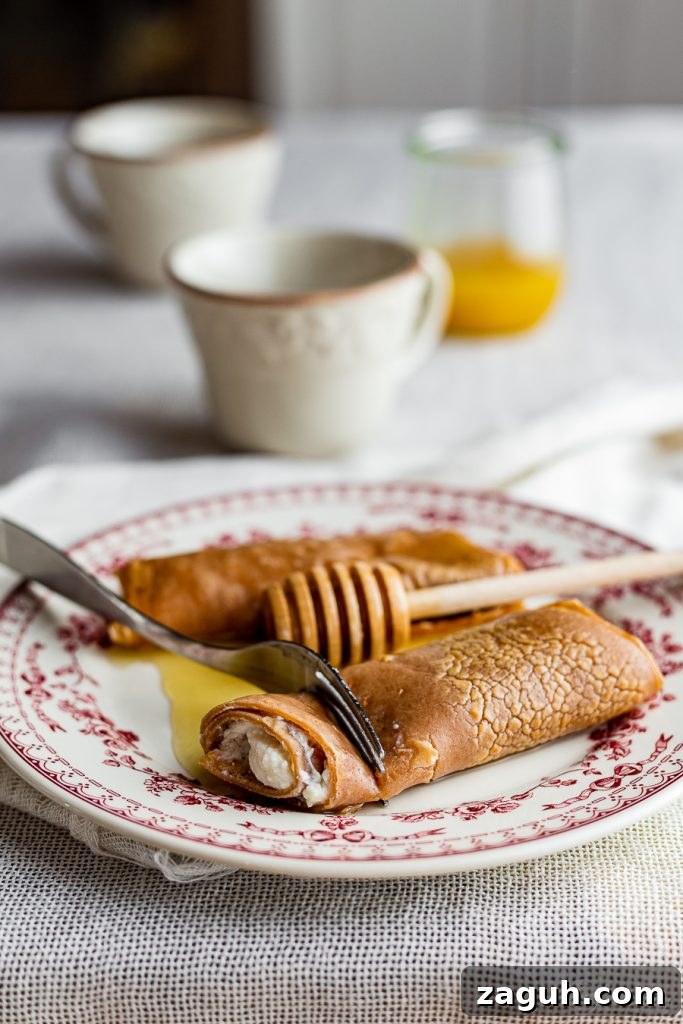
Necci and the Pistoiese/Appennino Tosco-Emiliano tradition
Moving toward the Pistoia Mountains and the Tosco-Emiliano Apennines, chestnuts and polenta remain staples. Necci—thin chestnut crêpes—are typical here and in Garfagnana. They can be eaten plain, or filled with sausage, pancetta or sheep’s ricotta. Their simplicity belies a distinct flavor that many discover only after tasting them for the first time.
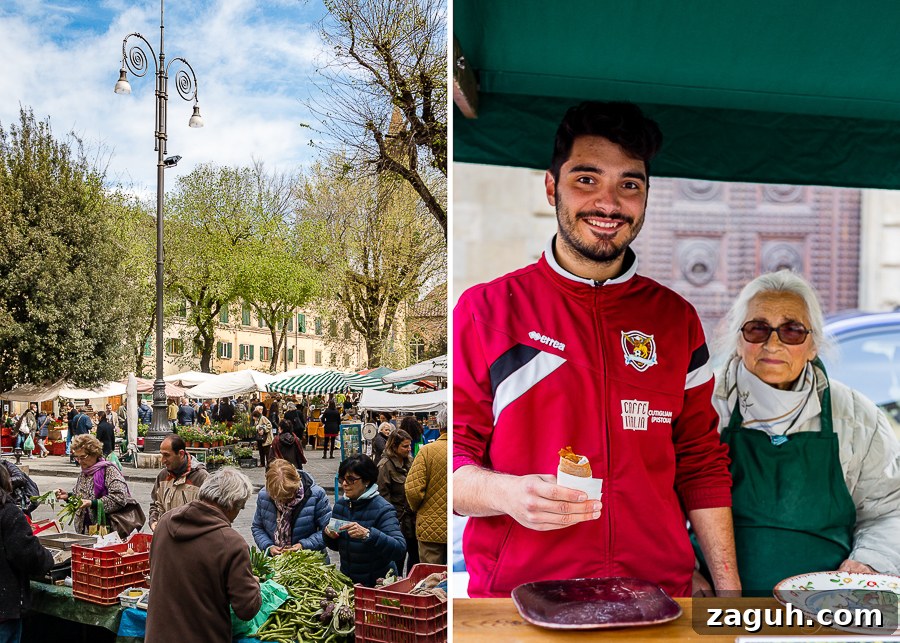
In Florence you can still find excellent necci from producers like Signora Lucia of the farm L’Alberaccio, a longtime vendor at the Fierucola market in Piazza Santissima Annunziata and now in Santo Spirito. Lucia dries chestnuts the traditional way and grinds them at a certified stone mill. She makes necci filled with ricotta and sells them at markets, where you can watch the family prepare the snack with care.
Mugello: the cult of chestnuts
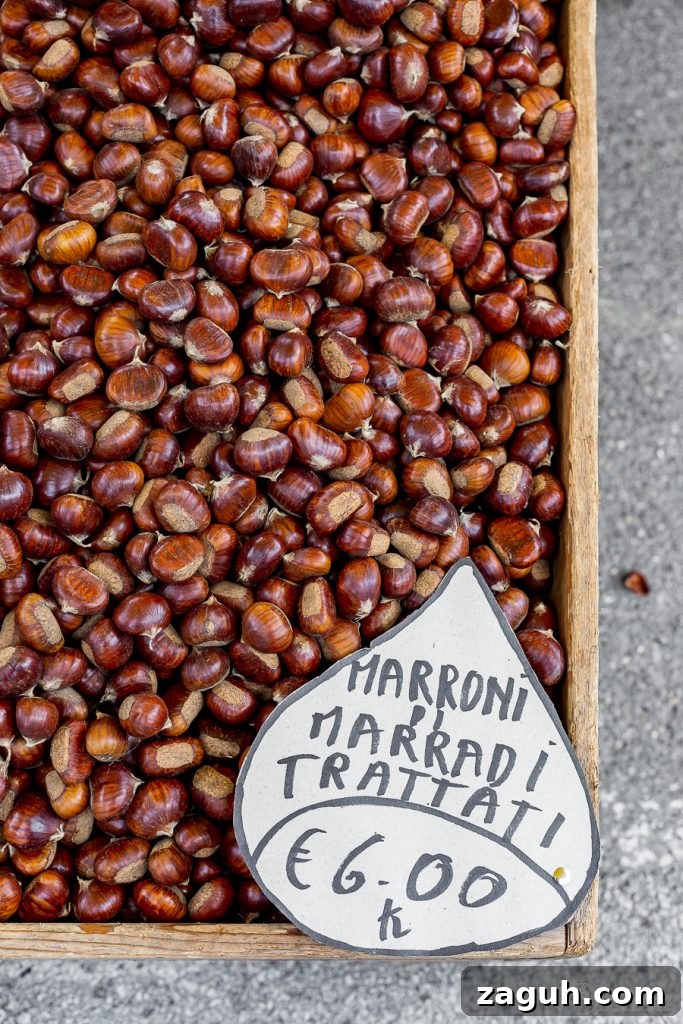
Mugello reveres chestnuts. In towns like Marradi, the local marron buono IGP is prized for its large size and suitability for marron glacé. In Mugello chestnuts are eaten boiled with salt and fennel seeds (ballotte), roasted over an open fire (caldarroste), or even soaked in red wine (ubriache). The marrone flavors roasts, stews, desserts, jams and flour for pasta and cakes. Chestnut flour also enriches gnocchi or risottos, adding a smoky creaminess especially in combination with porcini mushrooms.
Mount Amiata: chestnuts as bread
On Mount Amiata chestnuts were long considered the bread of the poor; until the first half of the 20th century they were a primary means of survival. Here chestnut polenta is served with rich local sausages like ammazzafegato, and chestnuts appear in soups with potatoes and mushrooms, in fresh pasta, fritters and castagnaccio. Chestnuts are even used in local artisanal beer production.
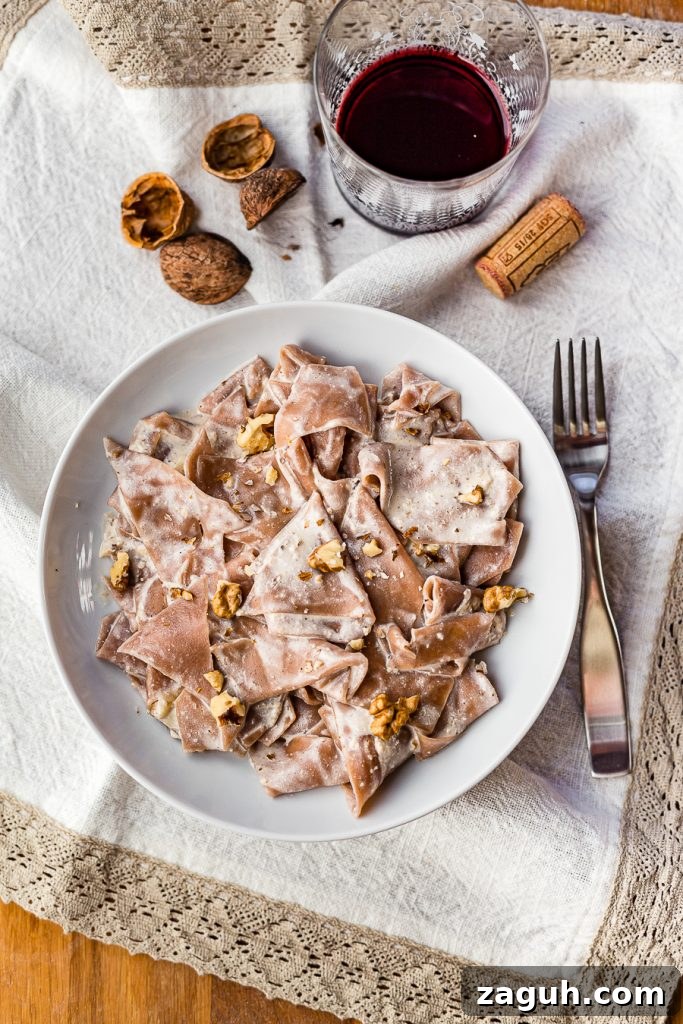
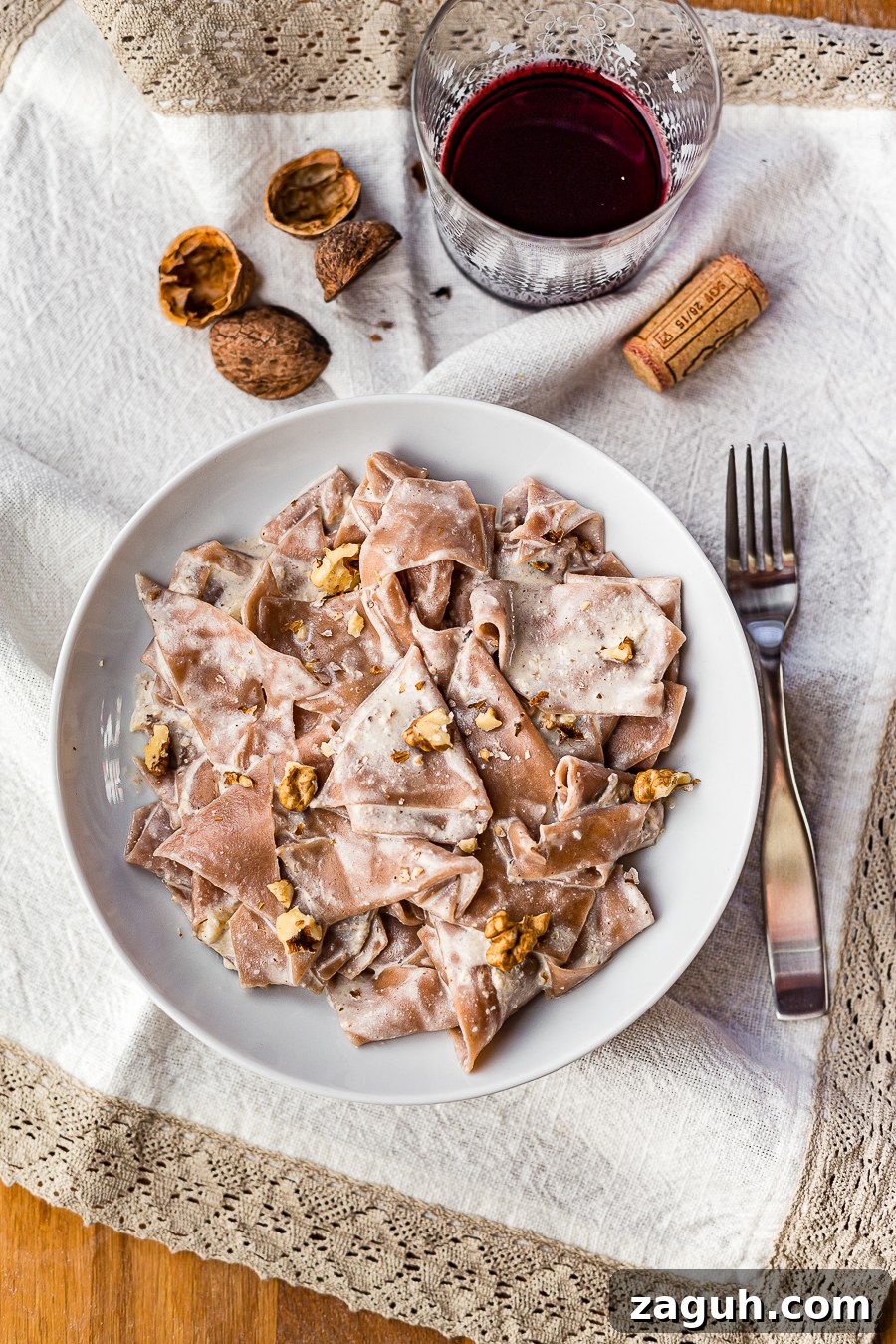
Lasagne bastarde di castagne con sugo di noci – Chestnut flour fresh pasta with walnut sauce
This recipe is adapted from From the Markets of Tuscany: a cookbook. Fresh pasta anchors you in place and tradition. In Lunigiana, “bastarda” pasta mixes wheat with chestnut flour; chestnut flour is used in a smaller proportion because it lacks gluten. The classic ratio is roughly three parts wheat flour to one part chestnut flour.
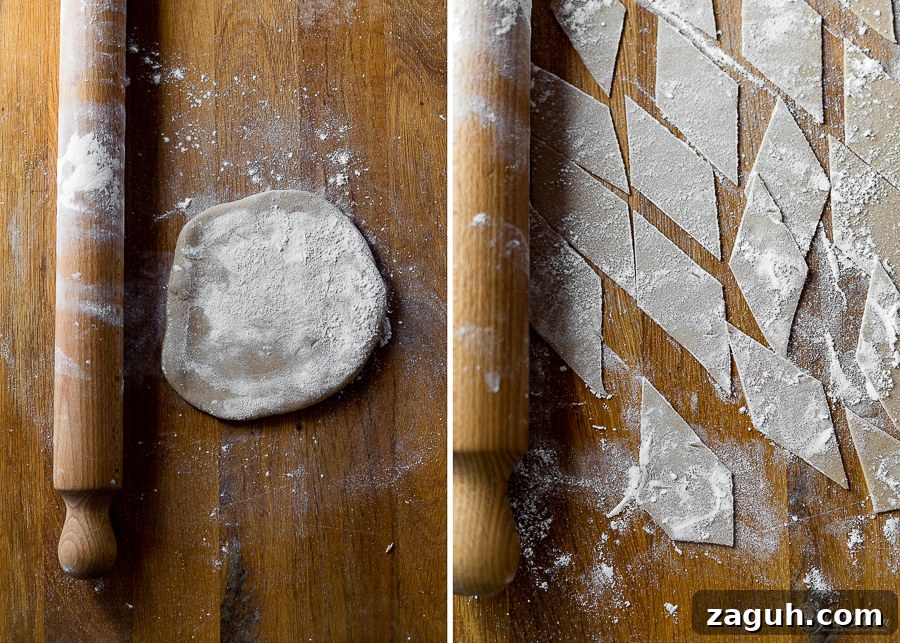
Knead the dough by hand until smooth and silky. Roll it into very thin sheets, dust with semolina and let dry about 20 minutes. Cut into irregular squares or diamonds and cook in boiling salted water until al dente. For the walnut sauce, process shelled walnuts with garlic, cream, a pinch of salt and a ladle of pasta cooking water. Toss the pasta with the sauce and finish with grated Parmesan and crushed walnuts.
Chestnut Flour Fresh Pasta with Walnut Sauce
Ingredients
For the pasta
- 375 g all purpose flour
- 125 g chestnut flour
- 1 tablespoon extra virgin olive oil
- 1 pinch salt
- 250 ml water
For the sauce
- 100 g shelled walnuts, plus more crushed for garnish
- 1 clove garlic
- 100 g cooking cream
- salt, to taste
- grated Parmigiano Reggiano, to serve
Instructions
- Mix the flours on a wooden board. Add the oil and salt. Pour water gradually while working the flour with your fingertips. When the texture is crumbly, begin kneading with your hands until the dough is smooth and silky. Wrap and let rest 30 minutes at room temperature.
- Roll the dough into a very thin, wide sheet. Dust with semolina and let dry on the board about 20 minutes until it is no longer sticky. Cut into rough squares or diamonds.
- Cook the pasta in boiling salted water until al dente. Reserve some cooking water and drain the pasta.
- Process walnuts with the garlic, cream, a pinch of salt and a ladle of pasta water to make a thick sauce. Toss the pasta with the sauce, finish with grated Parmigiano and broken walnuts, and serve.
Episode 32 – Chestnuts and chestnut flour in Tuscan cuisine
Listen to Episode 32 for a deeper conversation about chestnuts and their role in Tuscan food traditions.