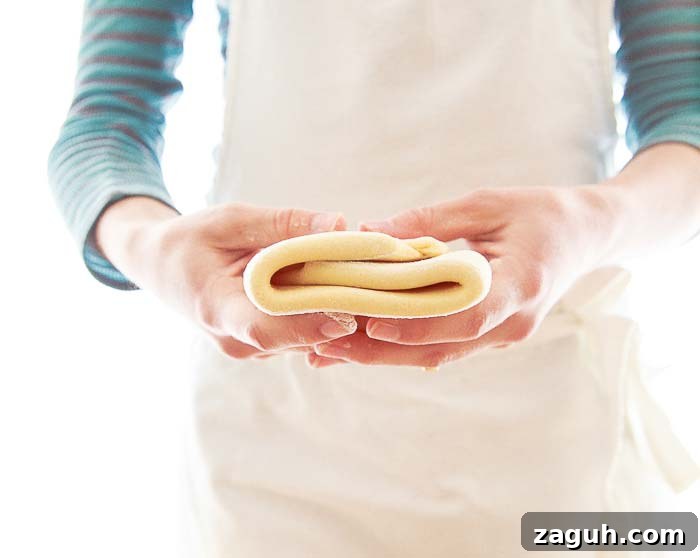
If you usually reach for the frozen sheet, try this 15-minute method for making puff pastry at home. A simple rough puff pastry is surprisingly fast and versatile — once you make one sheet from scratch, you’ll have endless sweet and savory possibilities. Below you’ll find the recipe, instructions, storage tips, and nine ideas for using your homemade pastry.
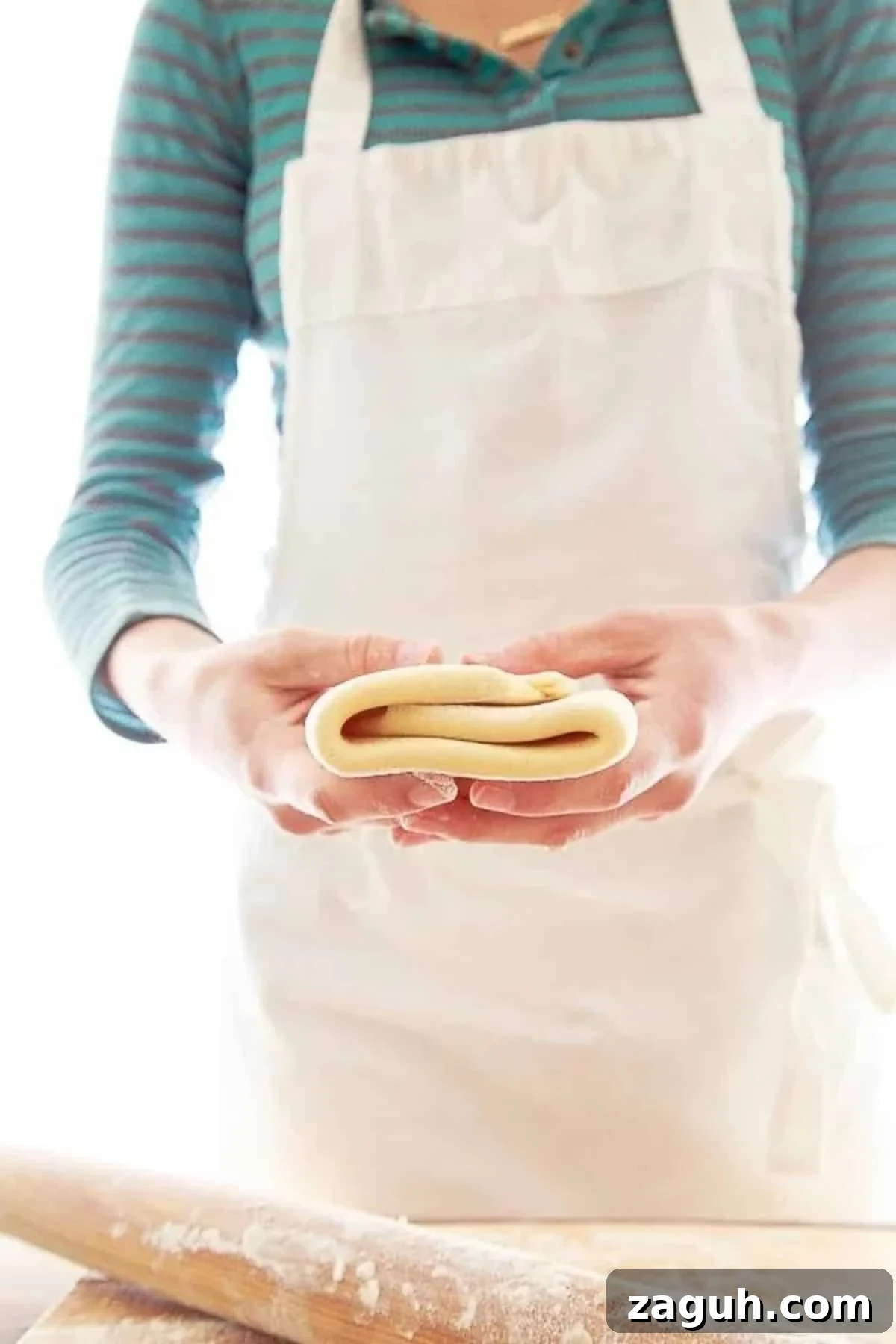
This Puff Pastry Dough Recipe is glorious!
Homemade puff pastry is an impressive yet approachable project. This method produces a flaky, buttery sheet with minimal fuss. It’s often called rough puff pastry — you’ll still see butter pieces in the dough, but the repeated rolling and folding creates layers that puff beautifully in the oven. I learned this quick approach from a trusted source and adapted it to a single-sheet recipe you can make in minutes.
If the phrase “homemade puff pastry” feels intimidating, don’t worry. This recipe really does come together fast, and the result is far superior to most store-bought options. Make the dough, chill it, then use it in any recipe that calls for one sheet of puff pastry.
Puff Pastry ingredients
The ingredient list is short and straightforward. Measure by weight if you can for the best results, but cup measures will work if you’re careful.
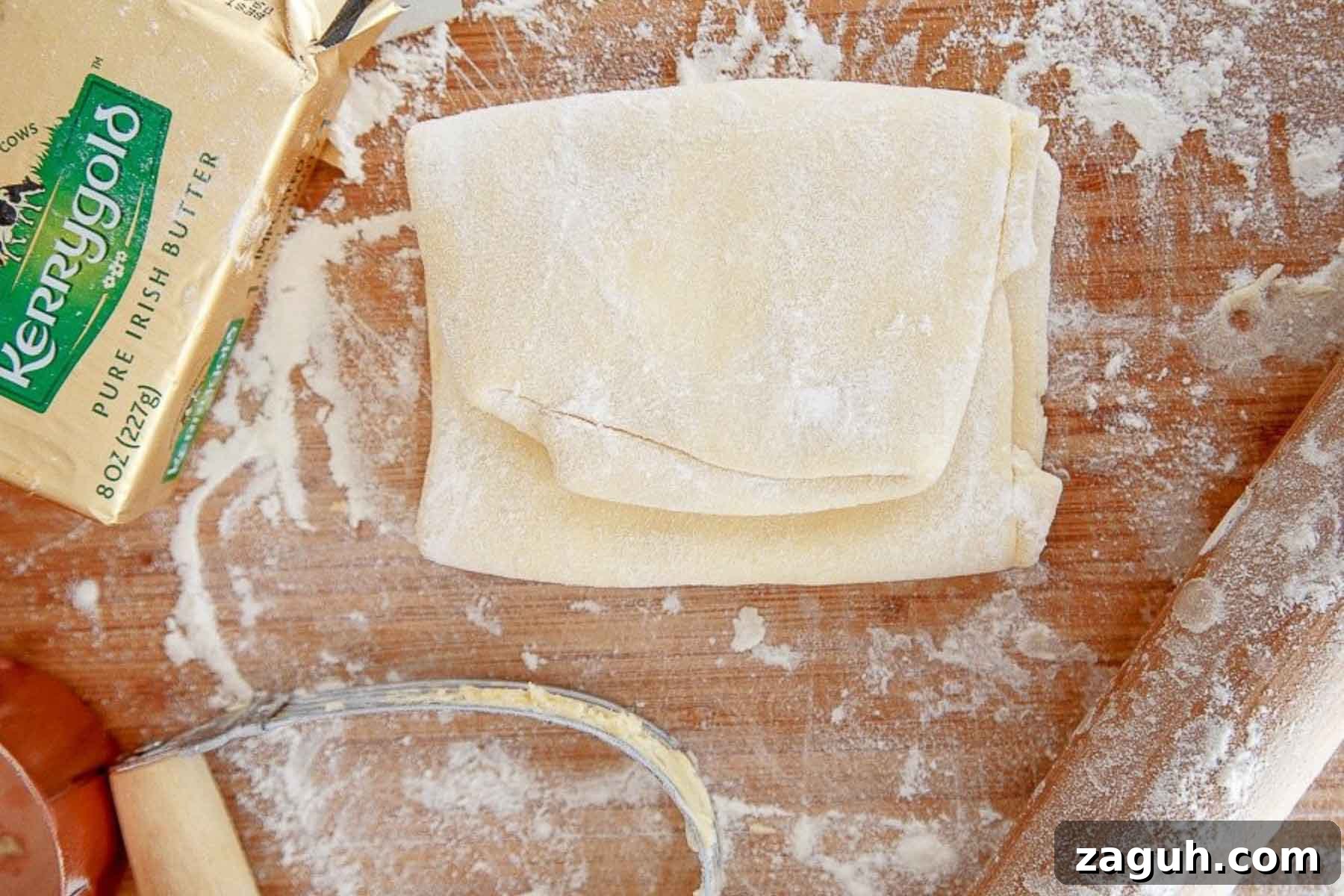
- All-Purpose Flour — 1 cup (125 grams). If using cups, fluff the flour, spoon it into the cup, and level off with a knife.
- Salt — 1/4 teaspoon fine sea salt.
- Butter — 10 tablespoons (5 ounces) cold, unsalted. European-style or higher-fat butter gives the best flavor and flake, but regular butter works.
- Ice Cold Water — about 1/3 cup. Keep it icy cold; measure it after chilling with a few ice cubes if needed.
The best butter for making pastry from scratch:
Choose a high-fat butter when possible — it usually has a richer color and less water. European-style or cultured butters yield a tastier, flakier pastry. Kerrygold and similar brands are reliable options if available.
How to make Puff Pastry
This rough puff pastry uses a simple method: cut cold butter into the flour, add cold water, and then roll and fold several times to create layers. You’ll see small butter pieces in the dough; that’s desirable.
Work quickly but deliberately. Use a pastry cutter or two knives to combine the butter with the flour until the mixture resembles coarse crumbs with pea-sized butter pieces. Add the cold water in the center, stir with a fork until it just comes together, then transfer to a floured surface.
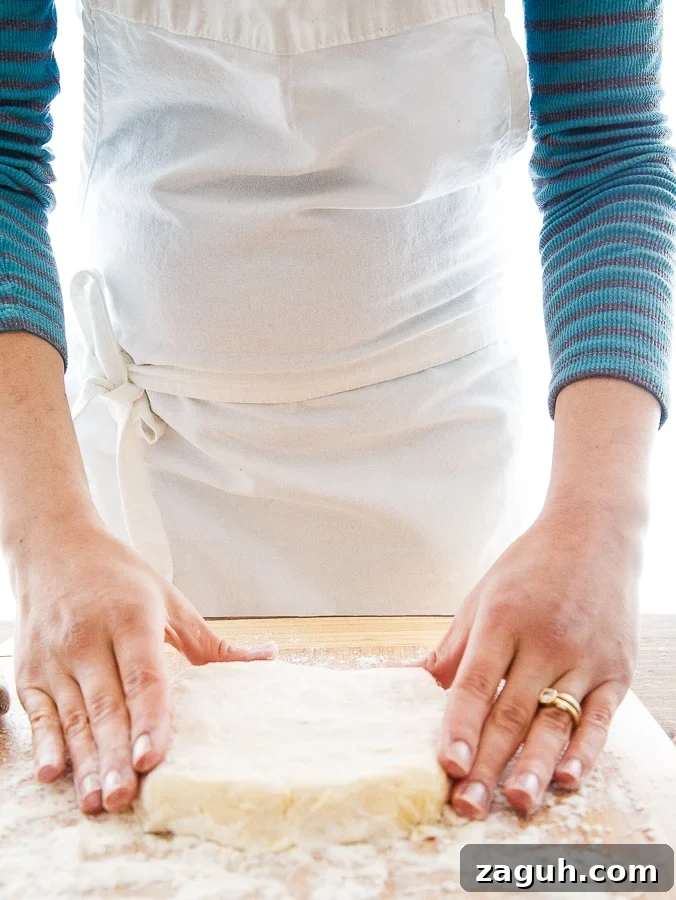
Pat the dough into a rough square and flour your rolling pin. Roll into a rectangle about 10 inches long, then fold like a letter: fold the bottom third up, fold the top third down over it, rotate a quarter turn, and repeat. Continue rolling, folding, and turning at least six to seven times. Use only enough flour to prevent sticking; too much will dry the dough.
When the dough feels smooth and layered, wrap it tightly and chill for at least one hour to relax the gluten and firm up the butter. Chilling overnight is also fine and often convenient.
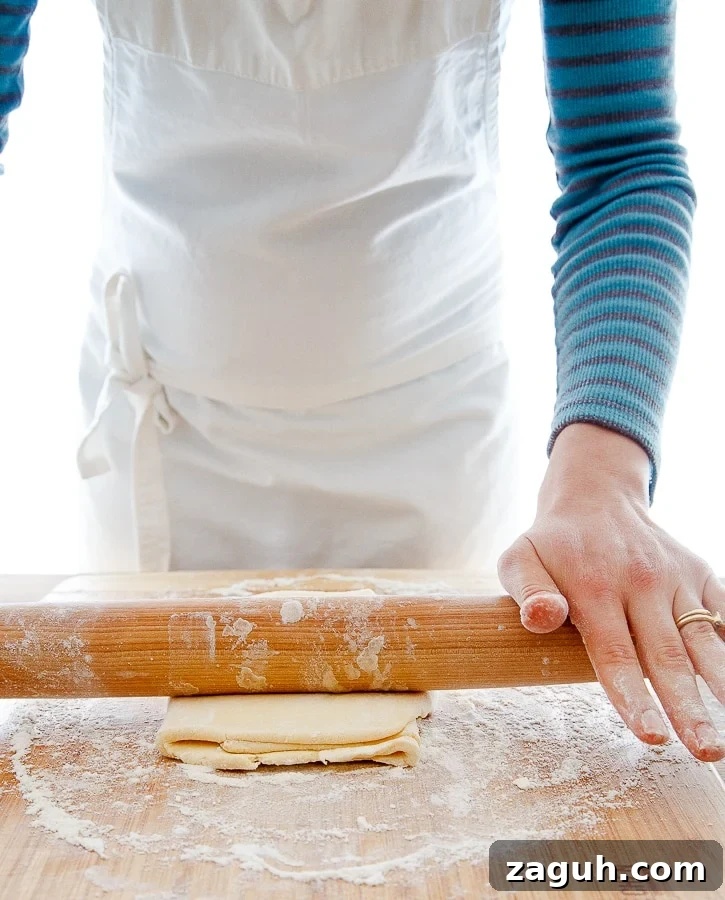
The traditional “hard way” puff pastry involves creating a large butter block and incorporating it with multiple chilling steps; it can deliver extra lift but requires significantly more time. This quick rough puff method yields excellent flavor and flaky layers without the long waits.
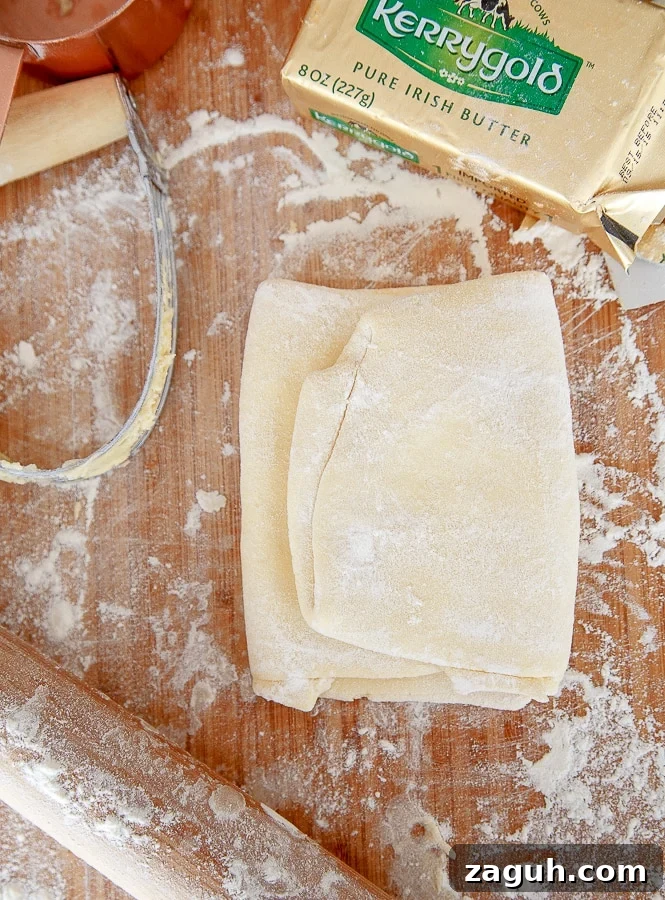
How to store Homemade Puff Pastry
Store unbaked dough wrapped in plastic in the refrigerator for a few days, or freeze flat between parchment sheets for up to 6 months. Once frozen solid, slide the sheet into a freezer-safe bag. To thaw, transfer to the fridge overnight, then let sit briefly at room temperature until rollable. If you lack flat freezer space, fold into thirds with parchment between layers and freeze.
What to make with Puff Pastry – 9 Recipes
Use this single sheet of rough puff pastry wherever a recipe calls for one sheet. It’s raw dough intended for recipes, not for baking plain by itself. Here are nine sweet and savory ideas to inspire you.
Sweet Recipes using Puff Pastry
Sweet applications include:
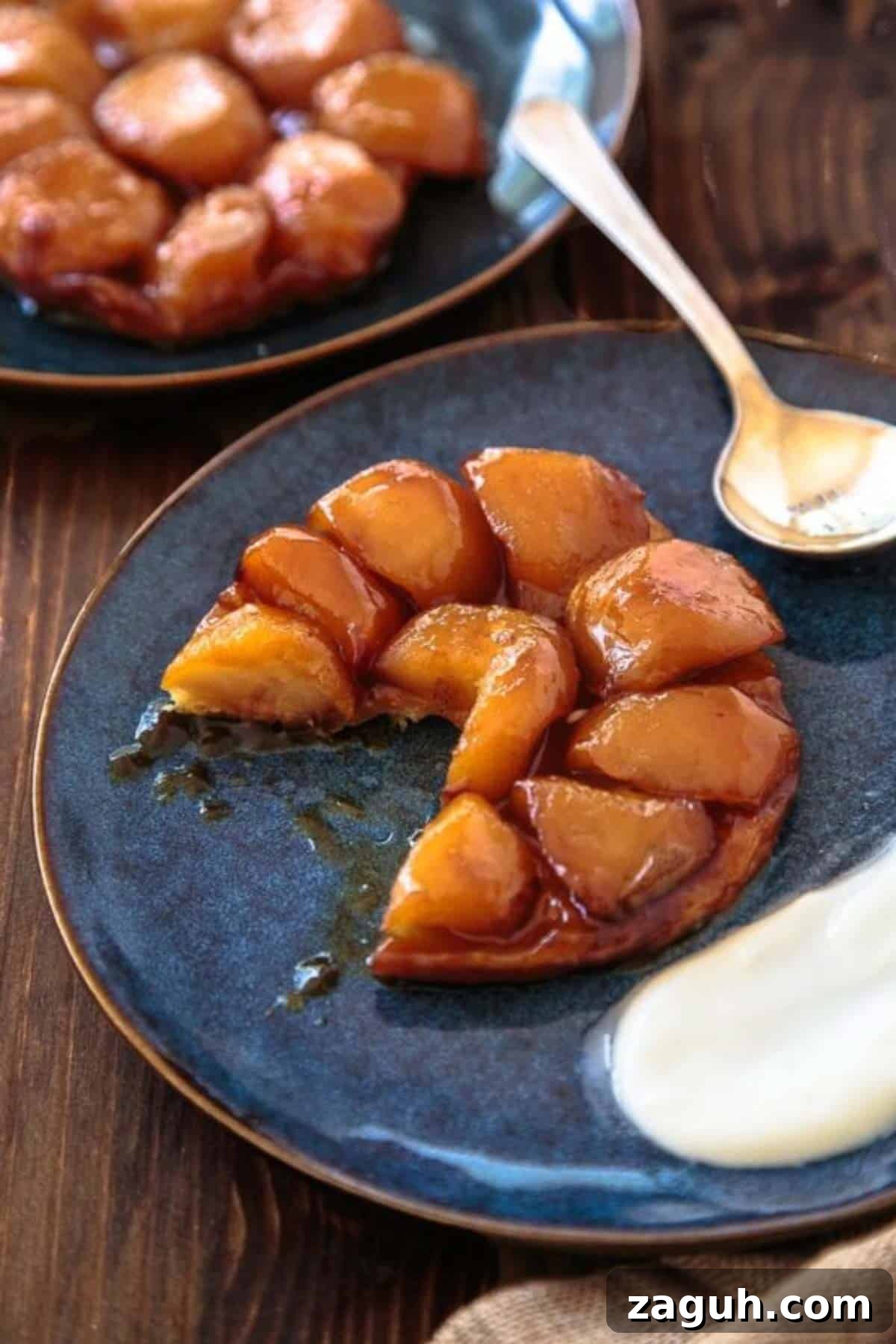
- Apple Tarte Tatin — caramelized apples topped with puff pastry and inverted after baking.
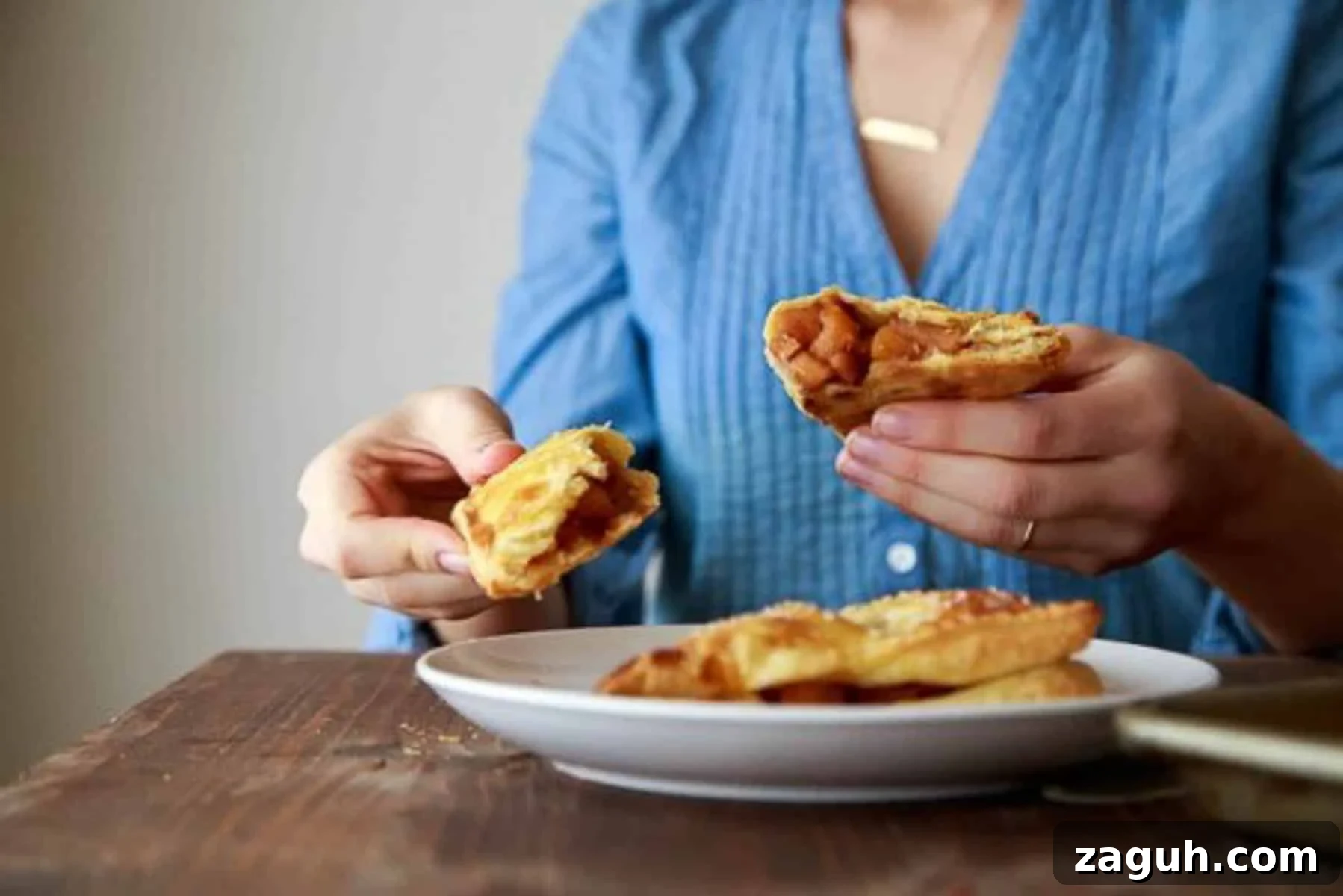
- Apple Turnovers — filled and folded individual pastries for a portable treat.
- Puff Pastry Donuts — fry squares of pastry and finish with glaze or sugar for an indulgent twist.
- Raspberry Galette — a rustic tart with berries folded into the pastry edge.
- Strawberry Crostata — another easy free-form tart that showcases ripe fruit.
- Sticky Buns (using puff pastry) — make quick cinnamon rolls with brown sugar and pecans for an easy small-batch breakfast.

Savory Recipes using Puff Pastry
Savory uses are just as compelling:
- Ham and Cheese Puff Pastry Squares — quick savory snacks or lunch bites.
- Chicken Pot Pie for Two — top ramekins of creamy filling with a pastry lid for a decadent finish.
- Skillet Spanakopita substitute — use puff pastry when phyllo is unavailable for a spinach-and-cheese pie.
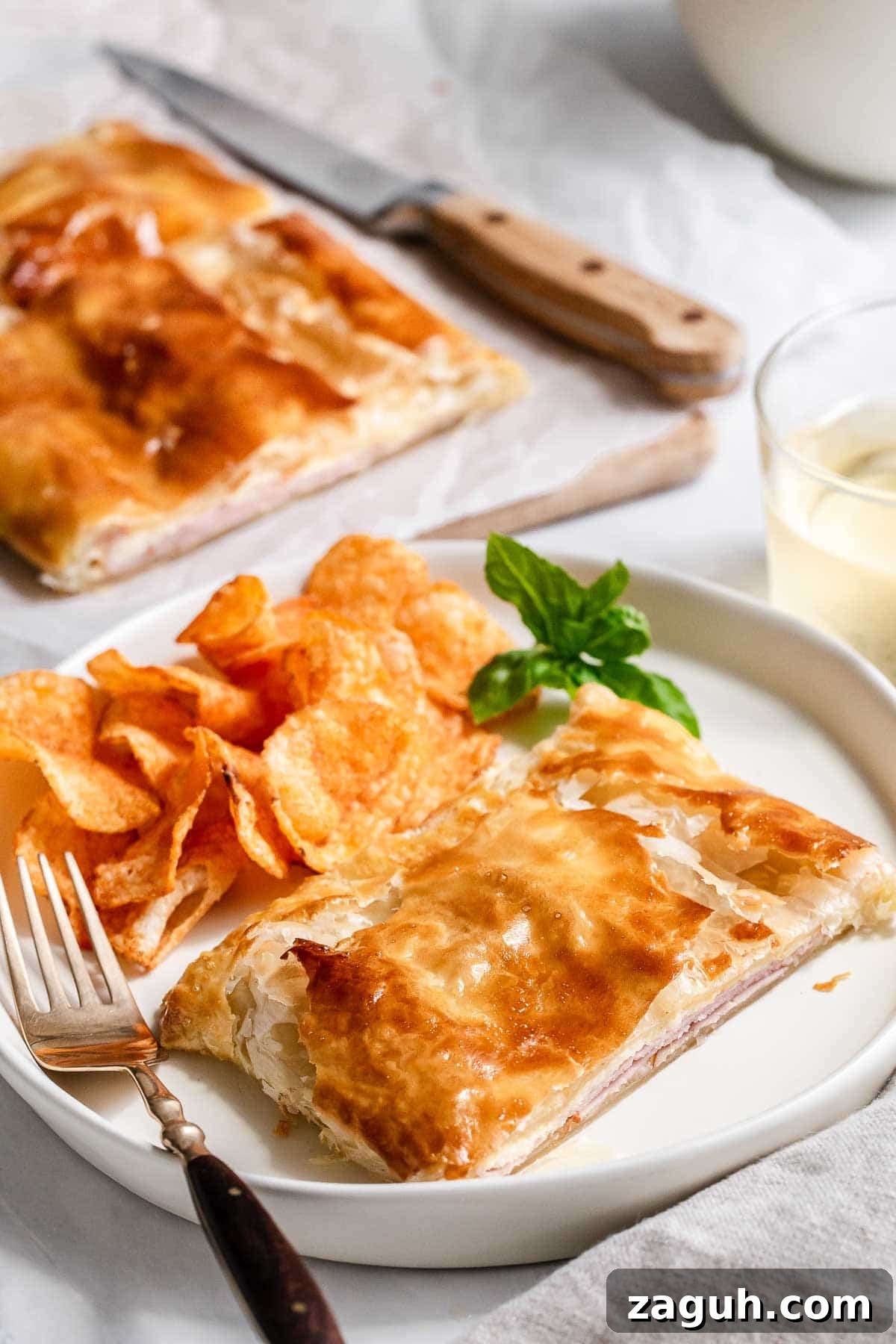
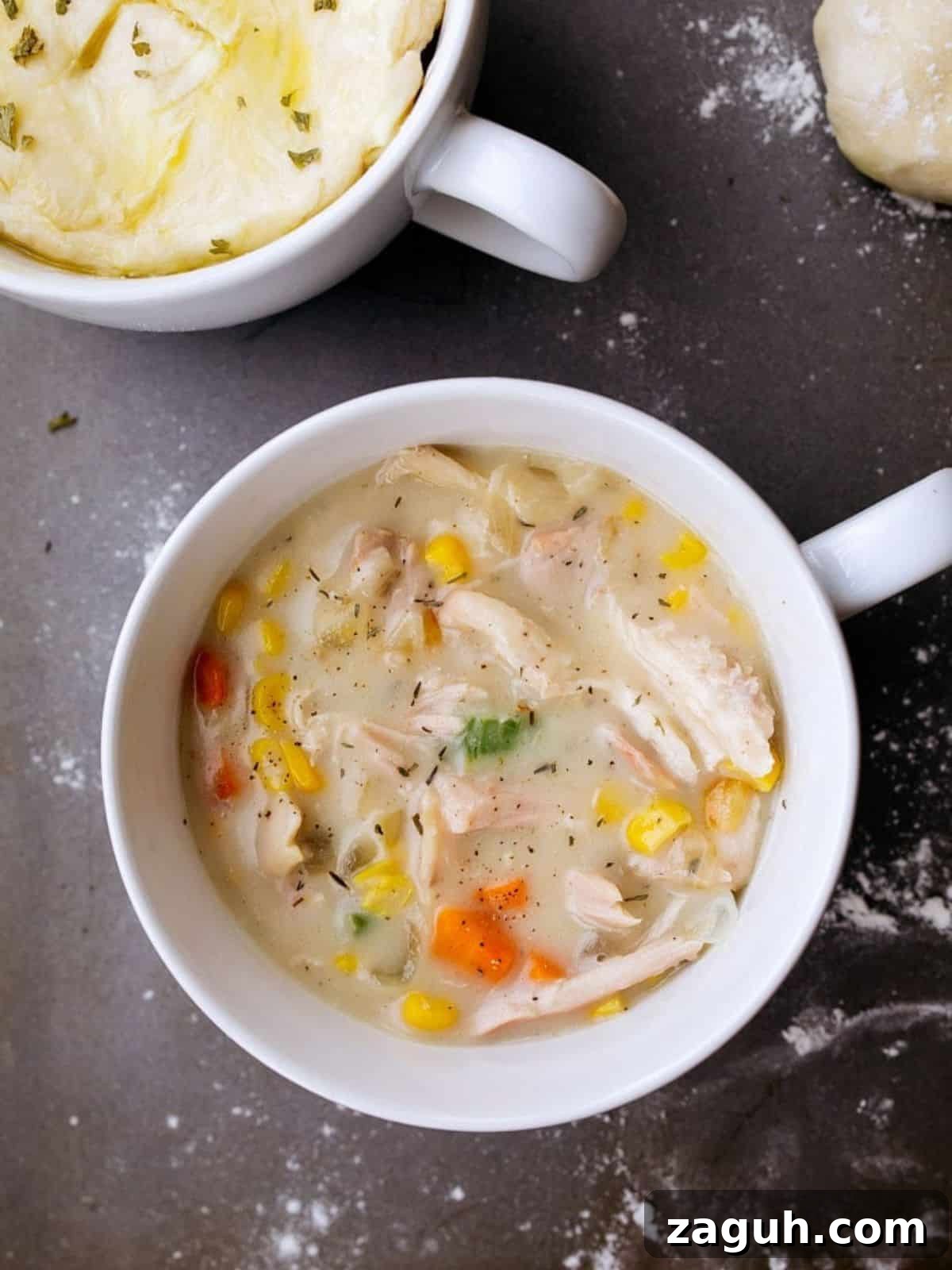
If you try a different application, mention it in the comments — it’s always fun to hear new ideas. Remember: this dough is raw and meant to be used in recipes that call for a sheet of puff pastry.
Puff Pastry FAQs
Yes. Fried puff pastry makes excellent donuts and fritters when cut into shapes and fried until golden.
No. Phyllo is thin sheets of dough layered with oil or butter and becomes crisp. Puff pastry contains large amounts of butter in the dough itself; moisture in the butter creates steam in the oven and produces flaky layers.
Not exactly. Crescent dough is yeasted and more like a soft roll, while puff pastry relies on butter layers and does not contain yeast.
Key tips: use cold, high-quality butter, keep the dough cold, avoid overworking it, and bake at a sufficiently high temperature. For filled pastries, dock areas you want to stay flat so steam can escape.
Homemade Puff Pastry Dough
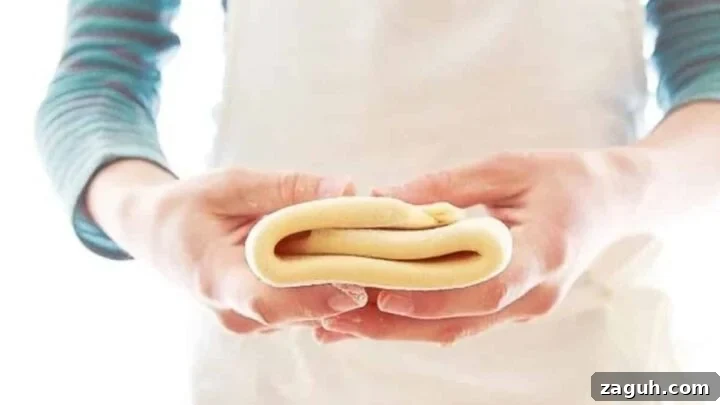
How to make puff pastry from scratch in just 15 minutes.
15 minutes
15 minutes
Ingredients
- 1 cup (125 grams) all-purpose flour
- 1/4 teaspoon fine salt
- 10 tablespoons high-quality unsalted butter (5 ounces), cold
- 1/3 cup ice cold water
Instructions
- In a medium bowl, whisk together the flour and salt.
- Cube the cold butter and add it to the flour. Use a pastry blender or two knives to cut the butter into the flour until the mixture resembles coarse crumbs with pea-sized pieces of butter.
- Make a well in the center and pour in the ice-cold water. Stir with a fork until the dough starts to come together.
- Flour a cutting board and transfer the dough. Pat it into a rough square; it will look dry and have visible butter pieces. Do not add more water.
- Flour your rolling pin and roll the dough into a rectangle about 10 inches long.
- Fold the bottom third up and the top third down like a letter. Rotate the dough a quarter turn and repeat. Use a little flour as needed to prevent sticking.
- Repeat the roll-fold-turn process six to seven times.
- Wrap the dough and chill for at least one hour or overnight. Dough can be frozen.
- When ready to use, roll out with flour for your intended recipe.
Notes
Chill the dough before baking to help the butter stay solid until the oven heat creates steam and lift. For long-term storage, freeze flat between parchment sheets.
Nutrition Information (per recipe)
Calories: 1473 • Total Fat: 116g • Saturated Fat: 72g • Cholesterol: 305mg • Sodium: 557mg • Carbohydrates: 95g • Fiber: 3g • Protein: 14g