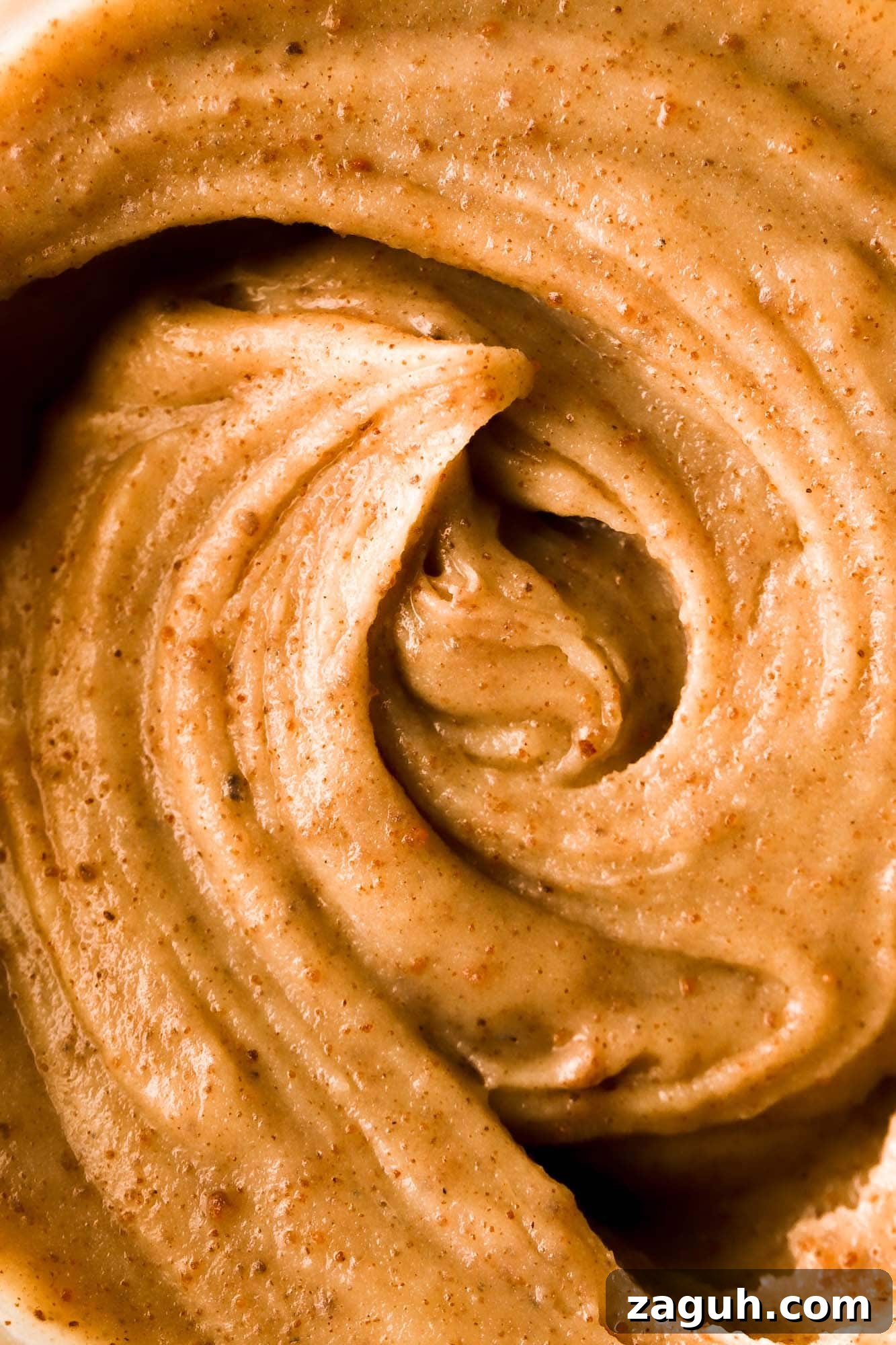
Ok. So I know there are countless tutorials on how to brown butter, but because I use it in so many recipes, I wanted to create a concise, easy-to-reference guide focused solely on browning butter.
Browned butter brings a toasted, slightly nutty richness and beautiful brown flecks that elevate both sweet and savory dishes. Below are clear steps with photos and practical tips for using, storing, and substituting brown butter in recipes.
What is Brown Butter
Butter is made by churning cream or milk and consists of fat, water, and milk solids. When heated, the fat melts and water evaporates, allowing the milk proteins and natural sugars to toast and brown. This browning is caused by the Maillard reaction, the same chemical process that creates golden, flavorful browning when foods are cooked.
How Does Brown Butter Taste
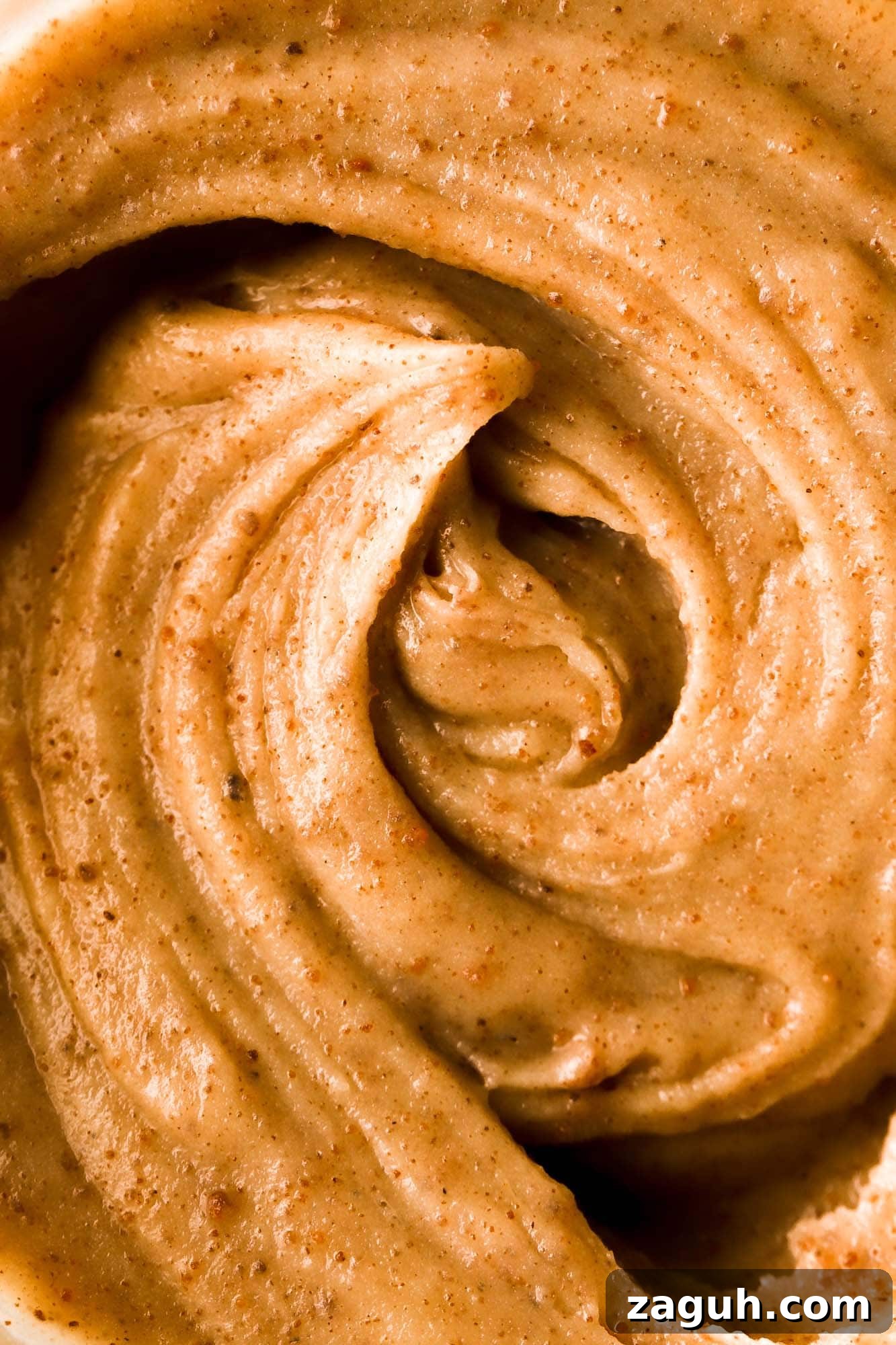
Before you taste it, brown butter smells incredible — a warm, caramelized, nutty aroma. The flavor mirrors the smell: a deeper, more pronounced buttery note with caramel and toasted-nut undertones that enhance both desserts and savory dishes.
How To Brown Butter
There are four visual stages to browning butter. You don’t need a thermometer — just watch and listen.
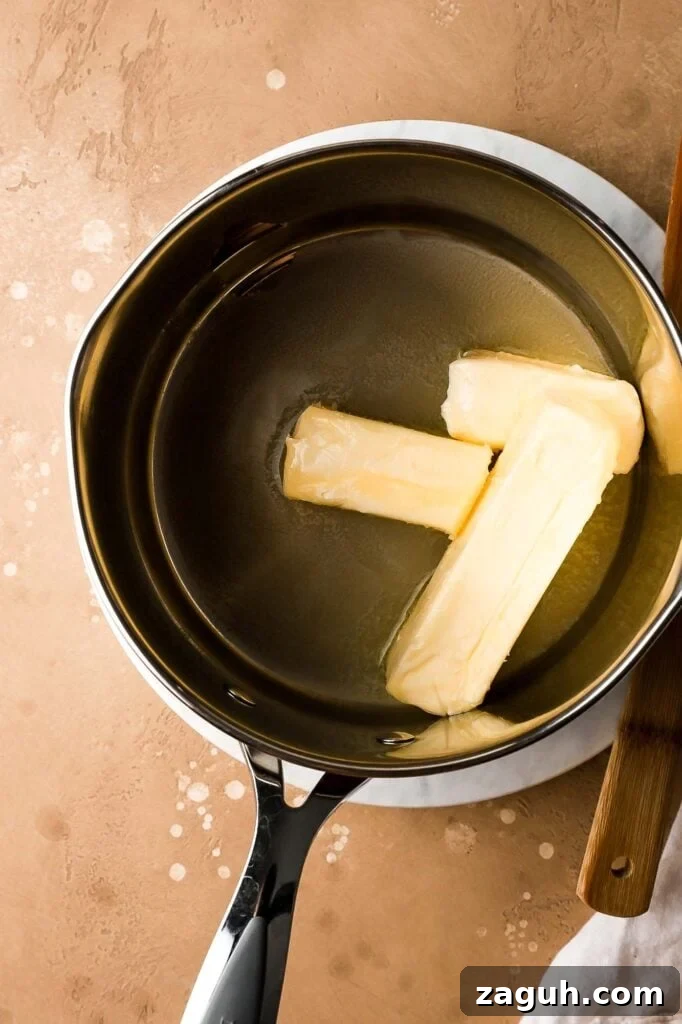
- Melting – Butter first melts into a clear liquid. This usually occurs between roughly 82°F and 97°F. If your butter is cold, cut it into small cubes so it melts and cooks evenly.
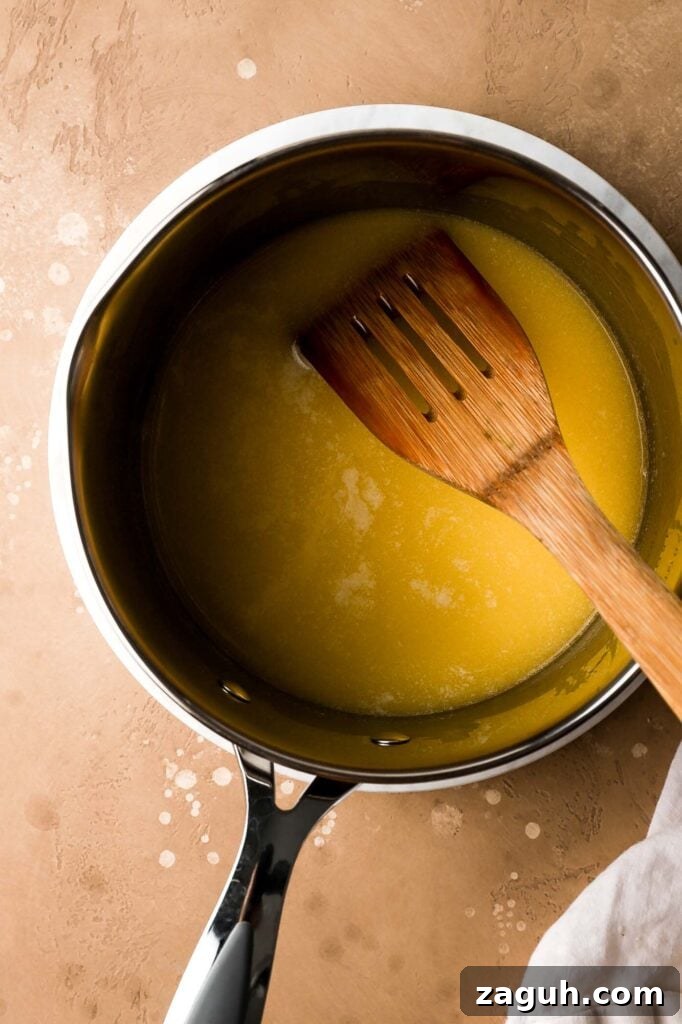
- Bubbling – Once fully melted the butter will bubble and brighten in color as water begins to evaporate. You may hear crackling sounds.
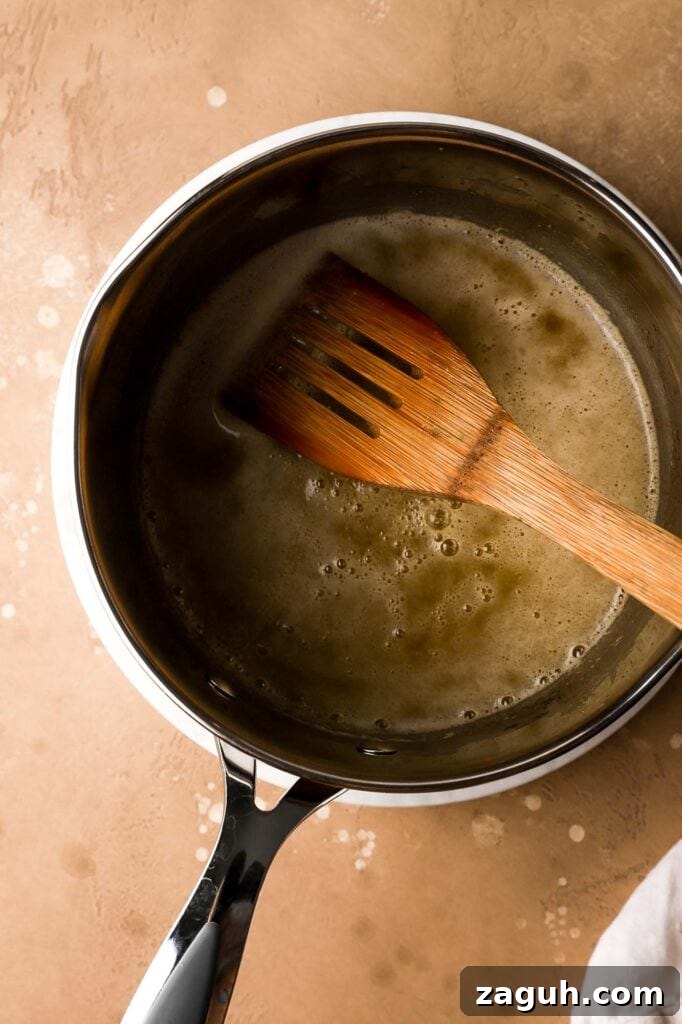
- Foaming – Bubbles multiply and form a foam on top as milk solids coagulate. At this point whisk or stir continuously, scraping the pan bottom so the solids don’t stick and burn.
- Browning – The milk solids will toast and form those desirable brown speckles. Keep the heat moderate and stir so the solids toast evenly rather than burning.
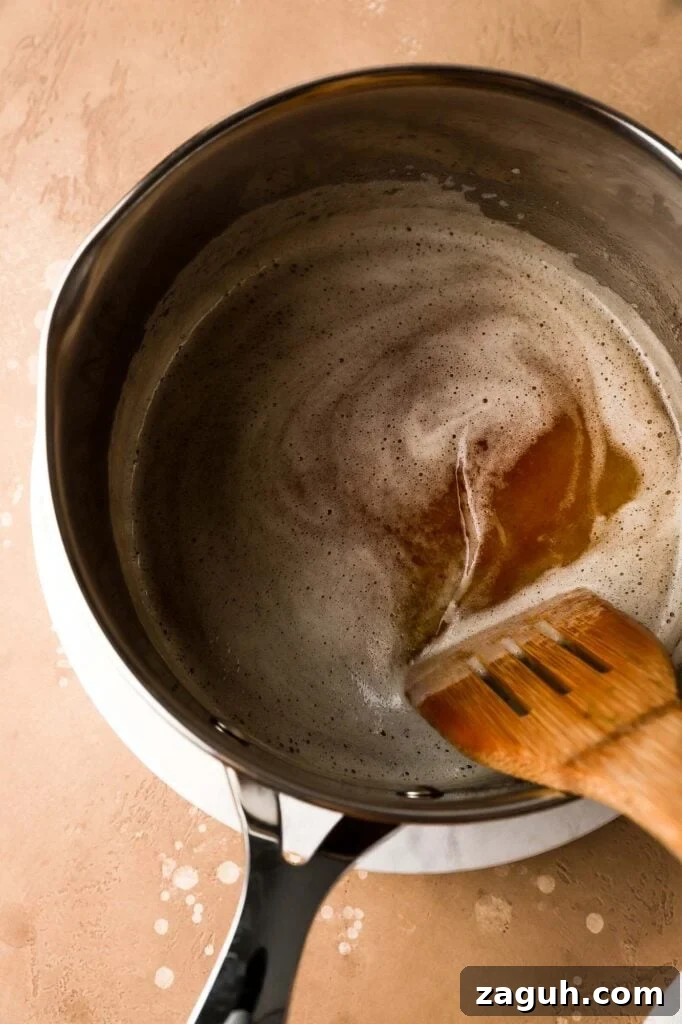
Loss of volume and moisture in brown butter
During foaming and browning, water evaporates from the butter. That means 1 cup (227 g) of butter will weigh slightly less after browning — typically around 186 g — because moisture is lost. The resulting brown butter has a higher proportion of fat and solids to liquid.
How to make up for loss of volume/moisture
If a recipe is designed specifically for brown butter, follow it as written since the recipe developer accounted for moisture loss. If you’re converting a recipe that calls for regular butter, either weigh your butter before and after browning and replace the lost grams with extra liquid, or simply brown more butter than required and measure out the quantity you need.
For example, if a recipe calls for 227 g of butter and your browned butter yields 186 g, add roughly 41 g of liquid to compensate. Many home cooks find it simpler to brown extra butter, then measure the needed amount once cooled. Leftover brown butter is easy to use in frostings, sauces, or additional baking.
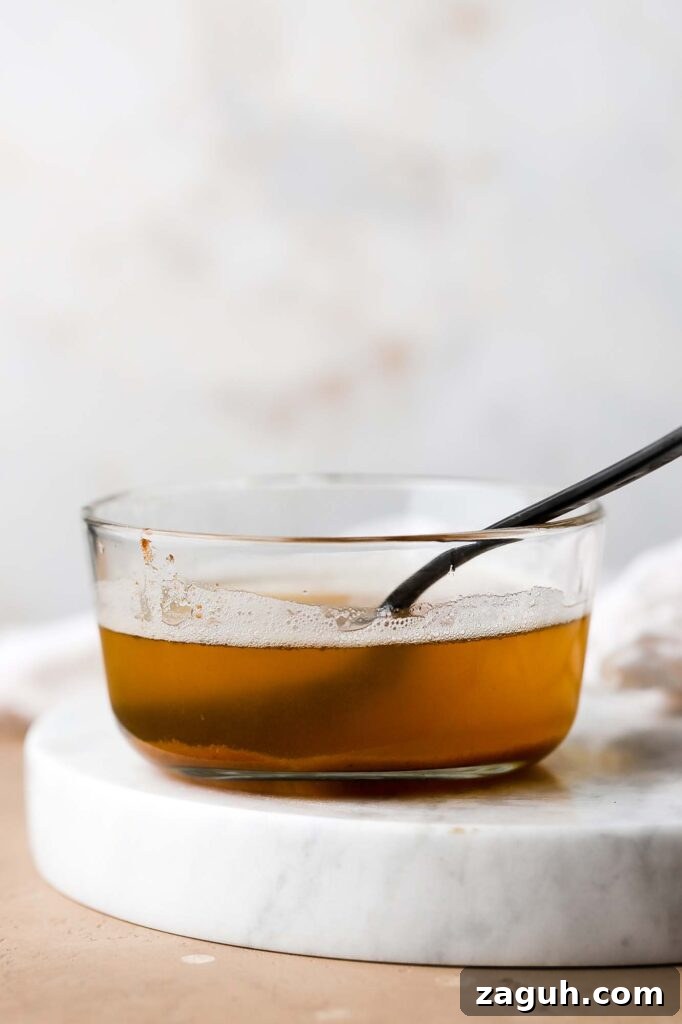
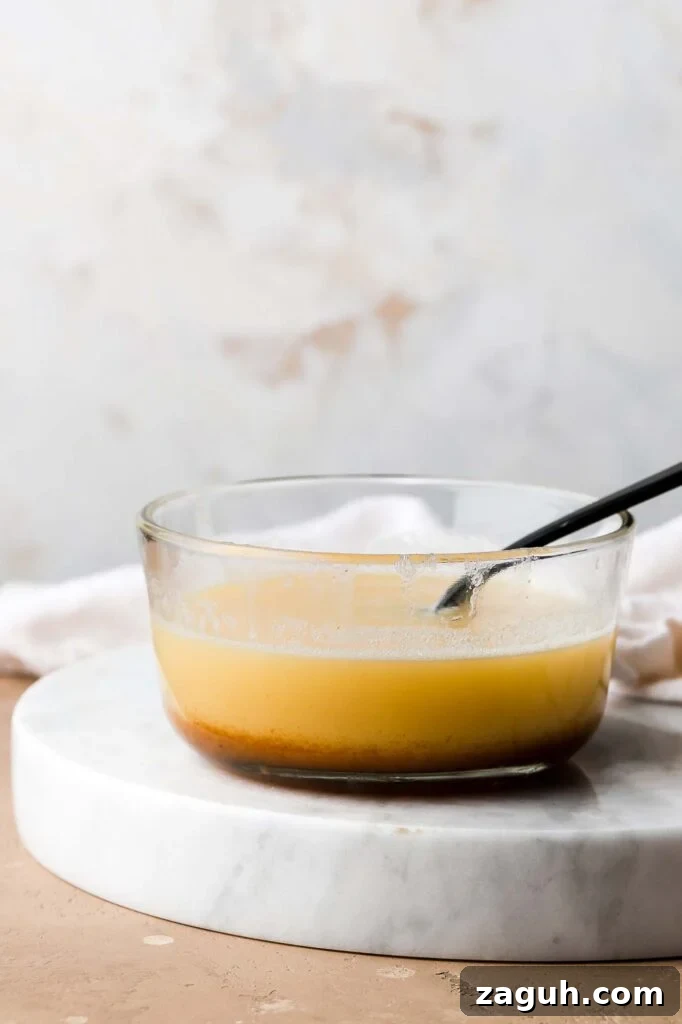
How To Use Brown Butter in Baking
Brown butter can usually replace regular butter at a 1:1 ratio. If a recipe calls for melted butter, substitute melted brown butter. If the recipe calls for cold or room-temperature butter, you’ll need to re-solidify the browned butter.
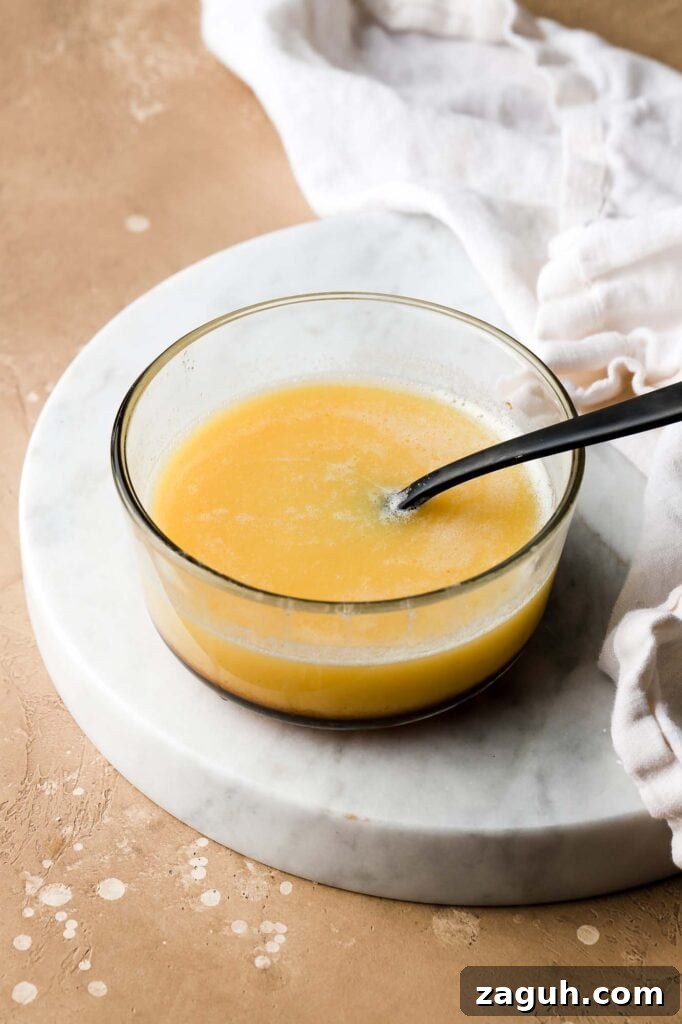
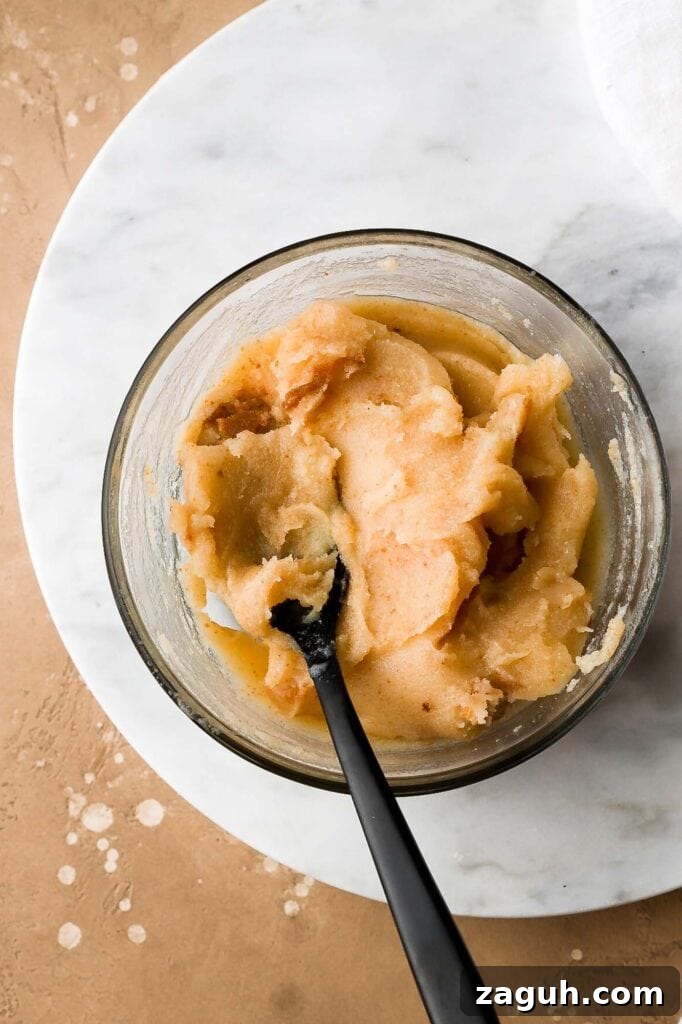
To re-solidify: cool the butter to room temperature, stir to distribute the brown speckles, then refrigerate. Stir every 10–15 minutes while chilling so it sets evenly. If you don’t mix it while cooling, the solids may settle to the bottom and the fat rise to the top, which can affect texture if you only scoop part of the batch.
Note: the toasted milk solids remain visible when the butter is solid. In smooth-texture applications like silky frostings, you may notice tiny brown specks. If an entirely smooth look is essential, you can strain the hot butter to remove most solids, but doing so reduces some of the signature caramelized flavor.
I use brown butter in American buttercream, Swiss meringue buttercream, cream cheese frosting, and more; it adds a rich, nuanced flavor. You can find this technique used in many of my recipes such as Carrot Cake Cupcakes and Chai Cake.
Recipes that use brown butter
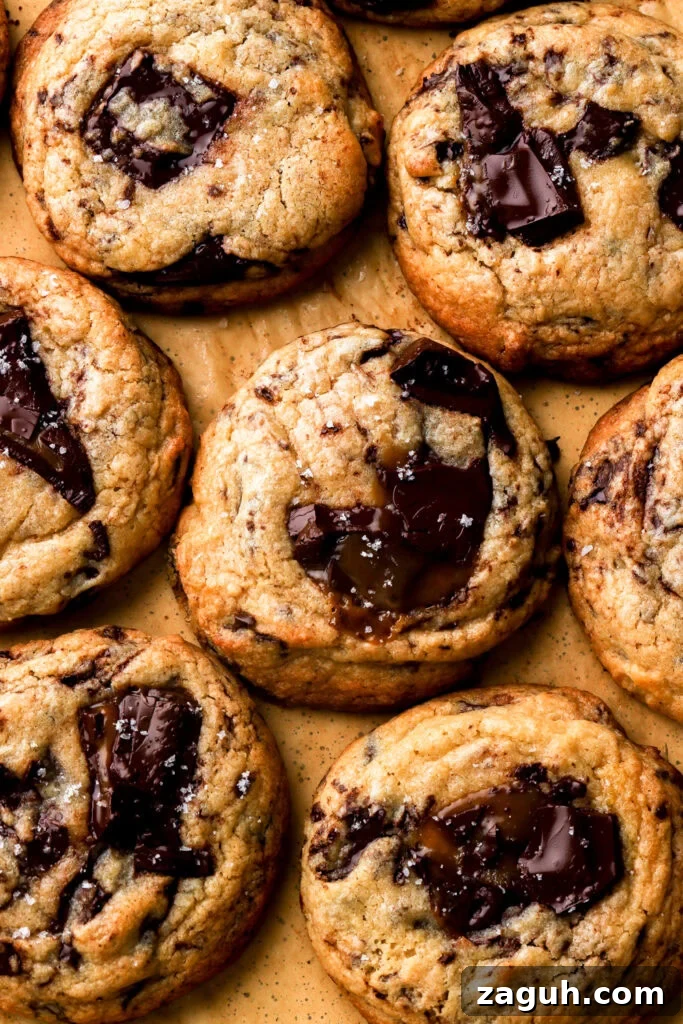
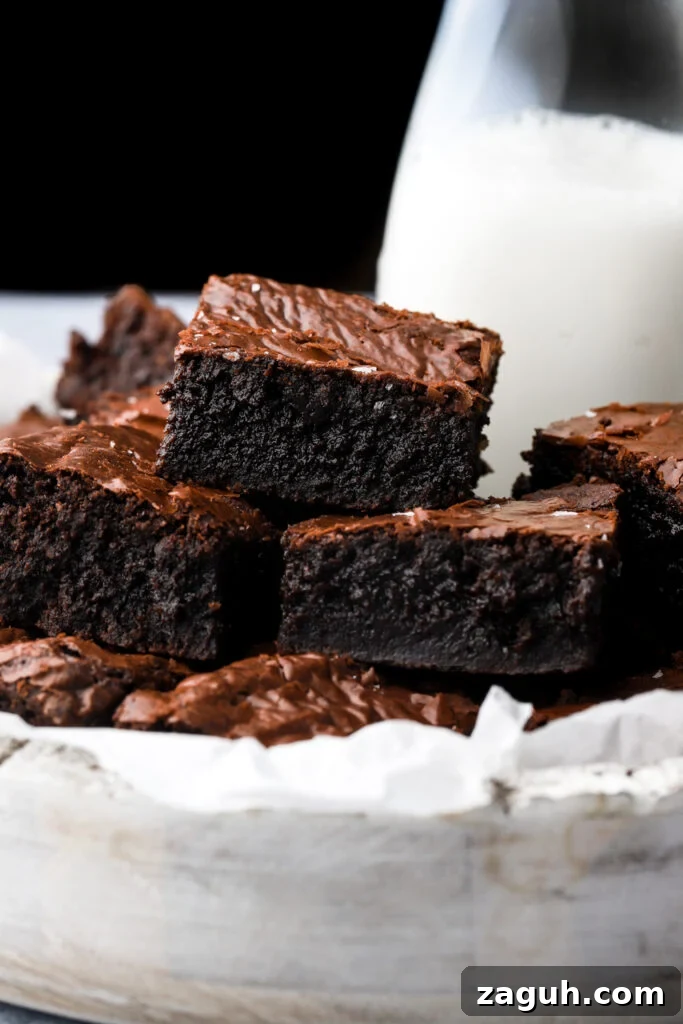
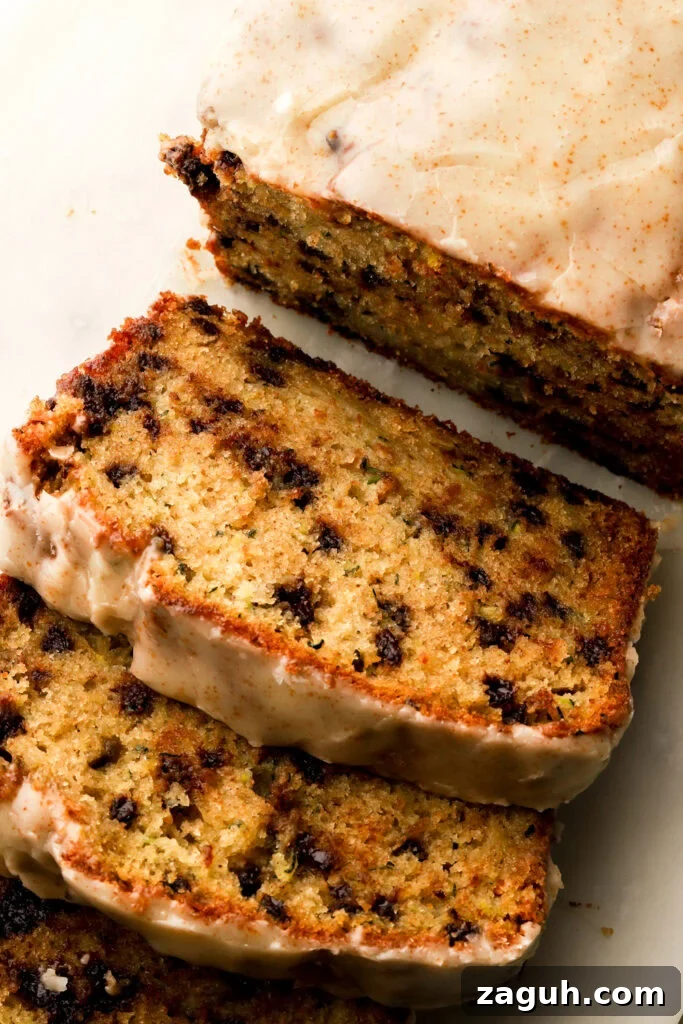
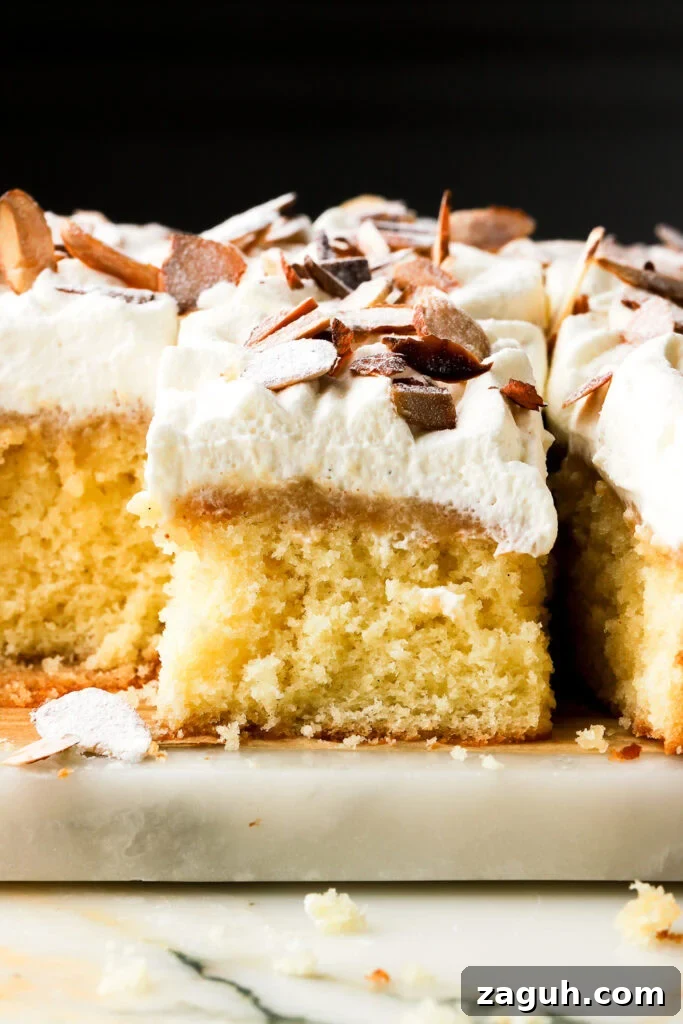
Brown butter is one of my favorite ways to deepen flavor in almost any baked good. It works beautifully in cookies, brownies, quick breads, cinnamon rolls, cakes, and even ice cream. Examples include Brown Butter Chocolate Chip Cookies, Brown Butter Brownies, Brown Butter Chocolate Chip Zucchini Bread, and Almond Croissant Cake with brown butter almond filling.
How to store brown butter
Store brown butter like regular butter. Keep it at room temperature for a couple of days if you’ll use it quickly, otherwise refrigerate. Refrigerated brown butter will keep for at least a month. If you strain out the milk solids (leaving clarified butter or brown butter oil), it will last even longer and is more stable at room temperature for a few weeks.
Thanks for reading — if you have questions, feel free to leave a comment. Happy baking!
Love, B
Baking Basics
Brown Butter Recipe
Pin Recipe
email recipe
Equipment
-
Rubber Spatula
-
Whisk
-
Stainless Steel Pan
Ingredients
- 227 grams butter, salted or unsalted (depending on what recipe you’re using it for)
Method
-
If the butter is cold, cut it into cubes and place it into a light-colored, medium saucepan over medium-low heat.227 grams butter salted or unsalted (depending on what recipe you’re using it for)
-
Stir the butter occasionally with a wooden spoon or rubber spatula. It will begin to bubble; continue stirring intermittently.
-
Once it foams, stir continuously and scrape the solids from the bottom of the pan. The milk solids will darken and settle on the bottom.
-
Remove from heat and continue stirring for about a minute, until the butter reaches an amber color.
-
Pour the butter, including the little browned bits, into a heat-safe jar. Allow it to cool or use as directed in your recipe.