How to Reduce Summer Electricity Bills
With the arrival of summer, electricity demand rises sharply as cooling systems work harder. That increased usage often leads to higher electricity bills. But rising costs are not inevitable. Thoughtful planning and practical strategies can reduce consumption and help you manage your bills without sacrificing comfort.
This guide outlines proven, practical approaches to cut household energy use during the hottest months. It focuses on understanding consumption, choosing efficient appliances, adopting simple daily habits, and considering renewable options — all written in clear, actionable language to help you save money this summer.
Understanding Your Energy Consumption

Regularly review your electricity bill to understand when and how your household uses the most power. Bills, when checked monthly, reveal usage patterns, peak demand times, and appliances that consume the most energy.
Today’s home energy monitors and smartphone power-management apps can provide even more detailed insight, breaking consumption down by appliance or time of day. Identify major energy users in your home — typically HVAC systems, water heaters, pool pumps, and refrigerators — and focus first on reducing their load.
Knowing the electricity tariff structure and when peak and off-peak periods occur is essential. Shifting energy-intensive tasks like laundry or running dishwashers to off-peak hours can lower costs. Track your bill over several months to spot recurring peaks and adjust schedules to avoid them.
Energy-Efficient Appliances – An Investment Worth Making

Switching to energy-efficient appliances is one of the most reliable ways to lower long-term electricity costs. Although these products often cost more upfront, their reduced energy consumption quickly offsets the initial investment through lower bills.
Energy-efficient options are available for large appliances like refrigerators, washing machines and air conditioners, as well as smaller items like LED bulbs and smart thermostats. Upgrading to models with high efficiency ratings or smart controls can reduce running costs while improving comfort.
Many regions offer rebates or incentives for purchasing energy-efficient appliances. Check local programs offered by utilities or government agencies to lower purchase costs and accelerate payback.
Practical Energy-Saving Strategies

Simple daily habits can yield substantial savings without large investments. Use cross-ventilation and ceiling or portable fans to reduce reliance on air conditioning. Employ shading solutions such as awnings, blinds or reflective films on west- and east-facing windows to limit solar heat gain.
Maintain appliances regularly — clean filters, service HVAC units, and defrost refrigerators — so they operate efficiently. Unplug electronics and chargers when not in use, or plug them into switched power strips to eliminate standby power draw.
Maximize natural daylight to reduce artificial lighting; replace incandescent bulbs with LEDs. In the kitchen, batch-cook to minimize oven use and try grilling outdoors on very hot days. Set water heaters to an appropriate temperature and use efficient showerheads to reduce hot-water energy use.
Leveraging Renewable Energy Options
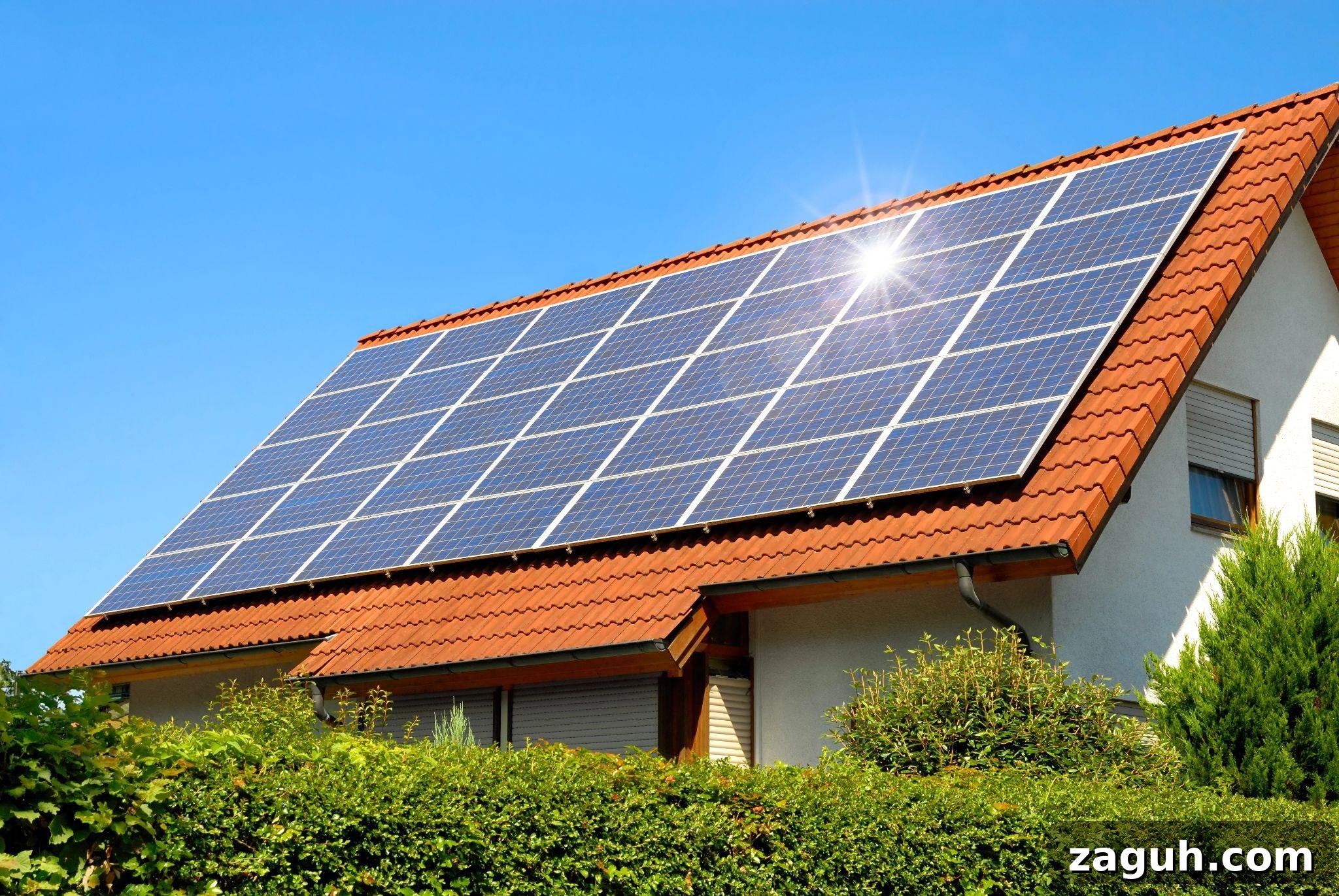
Adding renewable energy, particularly solar photovoltaics, can dramatically lower electricity bills over time. Solar panels offset grid consumption during daylight hours when cooling demand is high, while battery storage can shift solar energy for evening use.
Although installation requires upfront investment, many households find that solar systems pay back through bill savings, reduced peak demand charges, and lower long-term operating costs. Consider professional assessments to estimate potential savings and system sizing for your roof and household demand.
Educating and Influencing Family Members on Energy Saving
Reducing summer electricity bills is easier when everyone at home participates. Teach simple habits — turning off lights, closing doors and windows when the AC is on, avoiding leaving devices on standby — and explain why they matter.
Share the electricity bill with household members to highlight areas for improvement and set realistic, trackable goals. Consider small rewards or recognition for consistent energy-saving behavior to keep motivation high.
Conclusion
Lowering summer electricity bills requires a mix of understanding consumption, investing in efficiency, adopting practical habits, and, where feasible, using renewable energy. Regularly review your electricity bill, prioritize upgrades that offer the best savings, and build a household routine that supports lower energy use.
With planning and consistent effort, reducing energy consumption and cutting costs this summer is achievable. Start with small, measurable changes and combine them with longer-term investments to maximize savings and comfort.