I need to be honest: for most of my 27 years I didn’t take sleep seriously. It was something I squeezed in so I could function the next day. In college I would go out drinking, fall asleep around 2 a.m., and wake at 5 a.m. to go to work. After college I worked late, blogged until midnight, and woke up at 4:30 a.m. the next morning. I thought I was one of those people who didn’t need much sleep. I was wrong. After about six years of poor sleep habits my adrenal system was shot. I was constantly stressed, gaining weight, depressed, and felt awful. Something had to change.
After adjusting my work schedule and priorities I started getting at least six hours of sleep per night. I still woke up sweaty sometimes and the mattress made my feet go numb, but I felt progressively better. I began losing weight, my mood improved, and my anxiety eased. For the first time I truly understood the importance of a solid night’s sleep.
If you’ve explored paleo or read about grain- and gluten-free diets, you’ve likely encountered advice about sleep. When I first started eating paleo and read Robb Wolf’s The Paleo Solution, he wrote extensively about sleep. I ignored it at first, thinking it didn’t apply to me. It took me 27 years to realize no one is exempt: everyone needs good sleep and deserves a healthy sleep environment.
So let’s talk about sleep. It may sound boring, but sleep is essential, and knowing more will help you choose the right mattress. One major issue is that traditional spring and foam mattresses often aren’t the healthiest option. Beyond sagging and breakdown over time, many mattresses are treated with chemicals that pose real concerns:
- Toxic off-gassing: I was surprised to learn mattresses can be sprayed with flame retardant chemicals and other additives. Over time these materials can off-gas, releasing compounds into the air you breathe and onto your skin. In some cases this can include formaldehyde and other volatile chemicals.
Off-gassing is worrying because it means continual low-level exposure while you sleep. For some populations the risks are elevated:
- Pregnant women: Research shows that significant exposure to toxins during pregnancy can be harmful to both mother and fetus. Some chemicals can cross the placenta and have even been found in breast milk.
- Infants: Studies have examined infant sleep environments as possible contributors to sudden infant death syndrome (SIDS). Research in some regions linked poor indoor air quality and toxic sleep environments with infant health problems, and increased awareness helped reduce SIDS cases in those areas.
- Adults: One in five Americans suffers from a sleep disorder. Exposure to certain chemicals in typical mattresses has been associated with asthma, allergies, and potentially cancer. Poor sleep combined with chemical exposure can worsen overall health and quality of life.
It’s alarming that the place we rest our heads for hours each night could be a source of harmful chemicals. That awareness led me to look for safer alternatives and to consider mattress construction more carefully.
What to look for in a healthier mattress:
When researching healthier mattress options I learned about manufacturers that focus on safe materials, support, and durability. A few important features to prioritize:
- Safe, non-toxic materials that limit or eliminate harmful flame retardants and volatile compounds.
- Good pressure relief to prevent tossing and turning and to reduce pressure on shoulders and hips.
- Solid spinal support so the body stays aligned and you remain comfortable longer.
- Durable construction and long warranties so the mattress maintains its shape and performance over time.
Some mattress technologies use food-grade gel or other medical-grade materials that are hypoallergenic, non-toxic, and resist heat buildup. These materials are even used in medical settings for pressure relief and wound care, which speaks to their performance and safety profile.
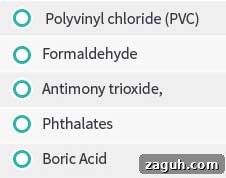
Choosing a mattress is an investment in your health. A higher upfront cost can be offset by many years of better sleep and a long warranty. For example, a mattress designed with safe materials and durable construction may cost more initially but can last decades, reducing the need to replace it frequently and limiting ongoing exposure to poorer-quality materials.
If you’re on a tighter budget, mattress toppers made with safe gel or similar materials can be a good interim solution. Also look for trial periods and return policies so you can test a mattress at home without committing immediately.
Sleep affects every area of life: energy, mood, weight management, and resilience. Pairing clean eating, regular movement, thoughtful self-care, and a non-toxic, supportive sleep surface creates a strong foundation for better health. Prioritizing sleep is not indulgent—it’s essential.


Disclosure: Some references in the original content mentioned specific mattress brands and promotional offers. This version focuses on general guidance for safer sleep environments. If purchasing through affiliate links was part of the original post, please refer to the original source for those details.