Did you know I’m completely obsessed with kombucha — a lightly fermented, slightly fruity, fizzy tea that’s known for supporting gut health? Fermented foods like kombucha, sauerkraut, kimchi, chocolate, and many cheeses are culinary treasures. They offer complex, interesting flavors and contain beneficial bacteria (probiotics) that support digestion and overall health. Curious about the history of fermentation, its benefits, and safe ways to ferment at home, I invited Sandor Katz to join the show this week. Sandor is the author of Wild Fermentation: The Flavor, Nutrition, and Craft of Live-Culture Foods, and Michael Pollan called him the Johnny Appleseed of Fermentation. If you’re anything like me, you’ll be heading to the store for cabbage to make sauerkraut after listening.
Click the PLAY button above to listen to the episode.
Love the podcast? Subscribe on iTunes and post a review.
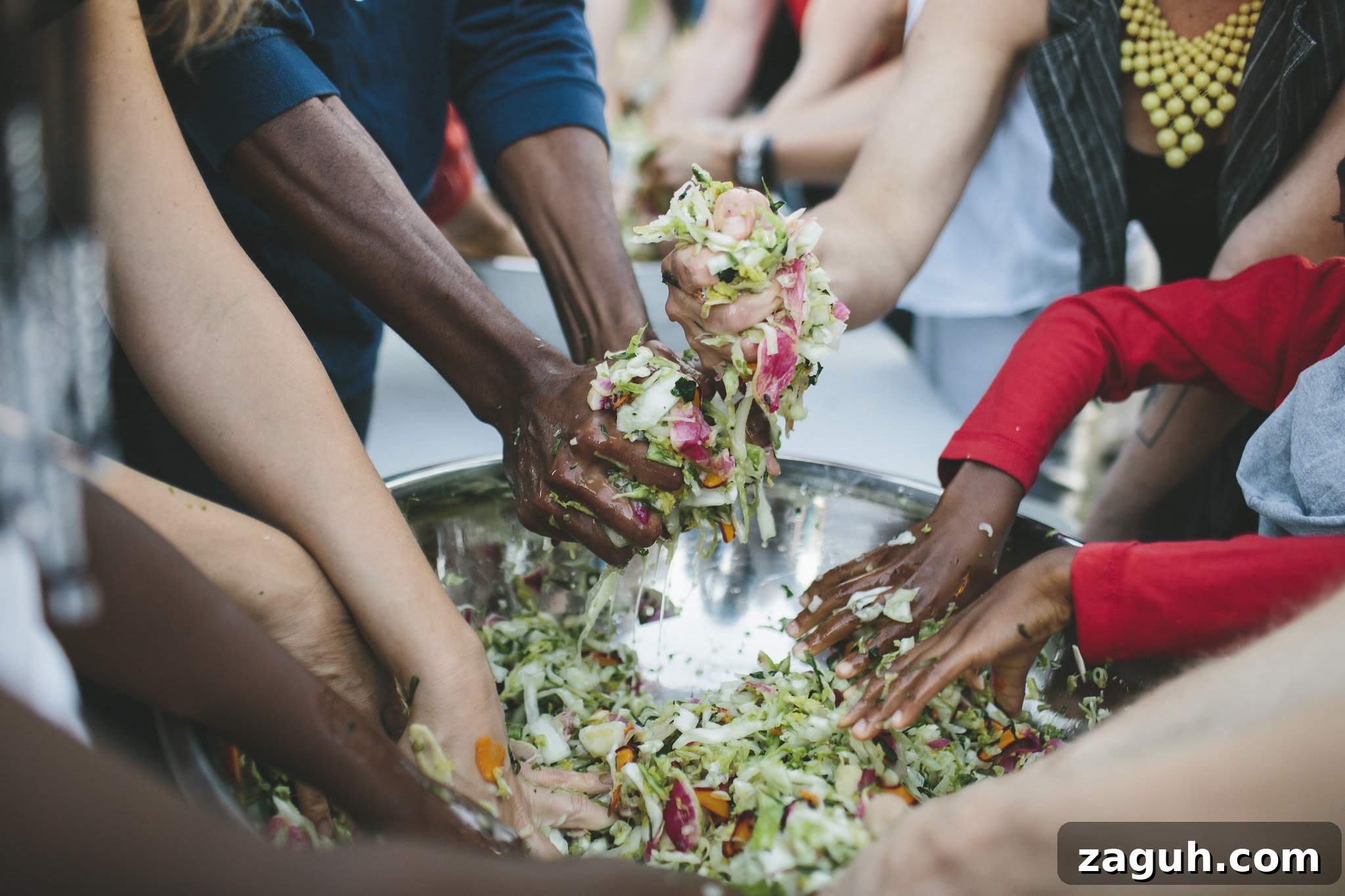
Photo credit: Sean Minteh
Fermentation happens when bacteria, yeast, and other microorganisms break down food. It’s a natural preservation method that transforms flavor and texture while enhancing nutritional value. I’m currently four days into my first homemade sauerkraut and have been tasting it daily to observe how the flavors evolve from mild to tangy. Scroll down for the method I used. For now, relax and enjoy this in-depth primer on wild fermentation from an expert.
“When we just eat processed foods, we are failing to feed our digestive bacteria.” – Sandor Ellix Katz
What exactly are fermented foods? What culinary and health benefits do they offer? Why has kefir become so popular? How can you safely make fermented foods at home? Sandor Katz, author of Wild Fermentation, answers these questions and more.
Making sauerkraut Photo credit: Jacqueline Schlossman/READYLUCK
Show highlights:
Sandor shares his unconventional path to becoming a leading voice in fermentation.
Clear explanation of what happens during fermentation and how it differs from pickling.
A practical shopping list of fermented foods to try.
Health benefits linked to consuming beneficial bacteria.
How much fermented food to eat daily — Sandor’s surprising guidance.
An introduction to kombucha and what to look for.
A favorite kombucha brand and flavor: Synergy Trilogy.
Sandor’s reliable sauerkraut method, step by step.
The long and interesting history of fermented milks.
Why kids often enjoy making sauerkraut and learning about fermentation.
Giveaway:
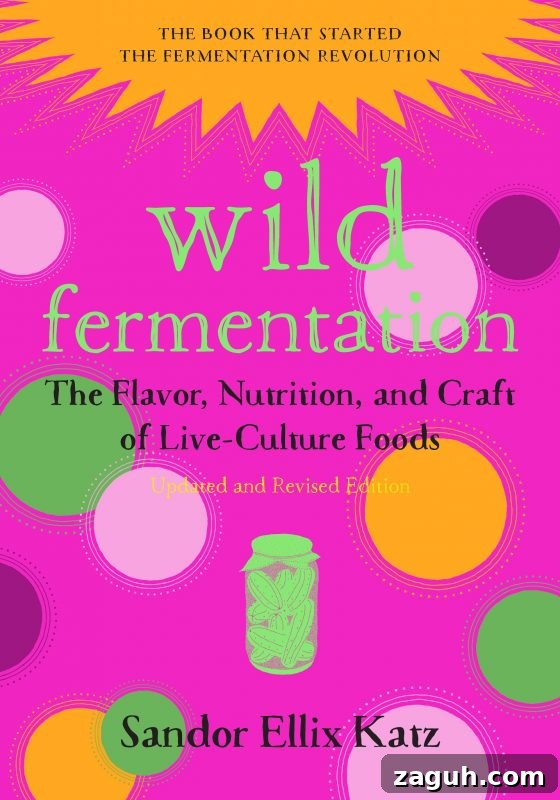
Wild Fermentation: The Flavor, Nutrition, and Craft of Live-Culture Foods (Chelsea Green, 2016). This book traces fermentation’s history, offers a DIY guide to cultivating live cultures, and provides recipes for vegetable ferments, lightly fermented beverages, grain ferments (porridges, flatbreads, soups), bean ferments, wines, beers, and vinegars.
To enter to win a copy: Post a comment at the end of this post sharing your favorite fermented foods, whether you’ve tried fermenting at home, and why you’d like to win the book. (U.S. entries only.) Giveaway ends November 1st at noon EST.
“Bacteria have a bad reputation, but so many of the cultures found in fermented food are good for your digestion.” – Sandor Ellix Katz
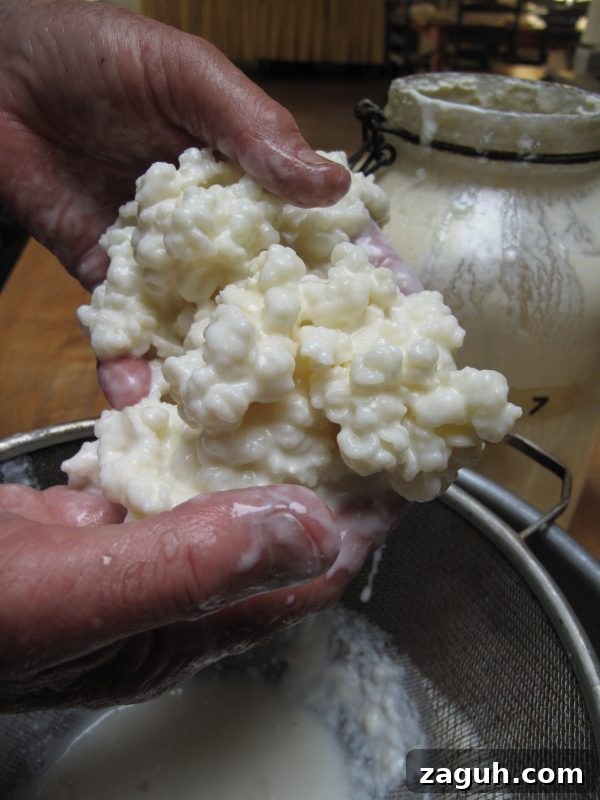
Kefir grains Photo credit: Lou Preston
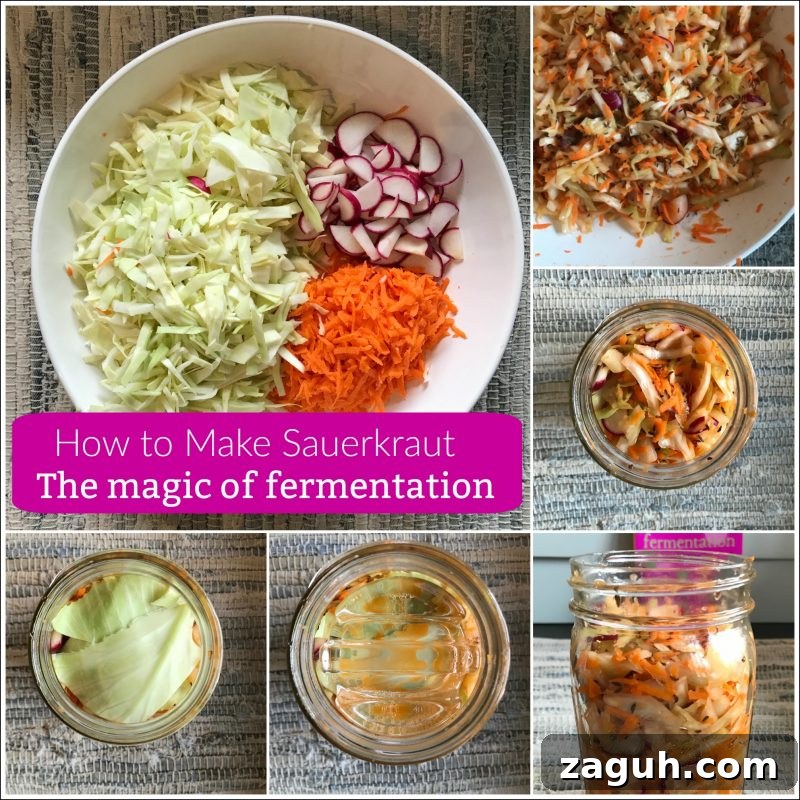
As you listen, Sandor walks through the process of making sauerkraut. For my batch I used a small two-pound cabbage, thinly sliced, one large peeled and shredded carrot, and a handful of radishes cut into thin half-moons. I combined the vegetables in a large bowl with 2 teaspoons of sea salt, massaged the salt until the vegetables released their juices, and added 2 teaspoons of caraway seeds. I packed the mixture into a quart-size Mason jar, topped it with a cabbage leaf, used a wide-mouth fermenting weight to press it down, left a little headspace to allow for gas expansion, and covered the jar with a lid.
Watching the transformation over several days has felt like a fun science project. To learn how to care for your sauerkraut while the bacteria do their work, tune in to the episode. Making sauerkraut is straightforward, accessible for beginners, and a great project to involve kids.