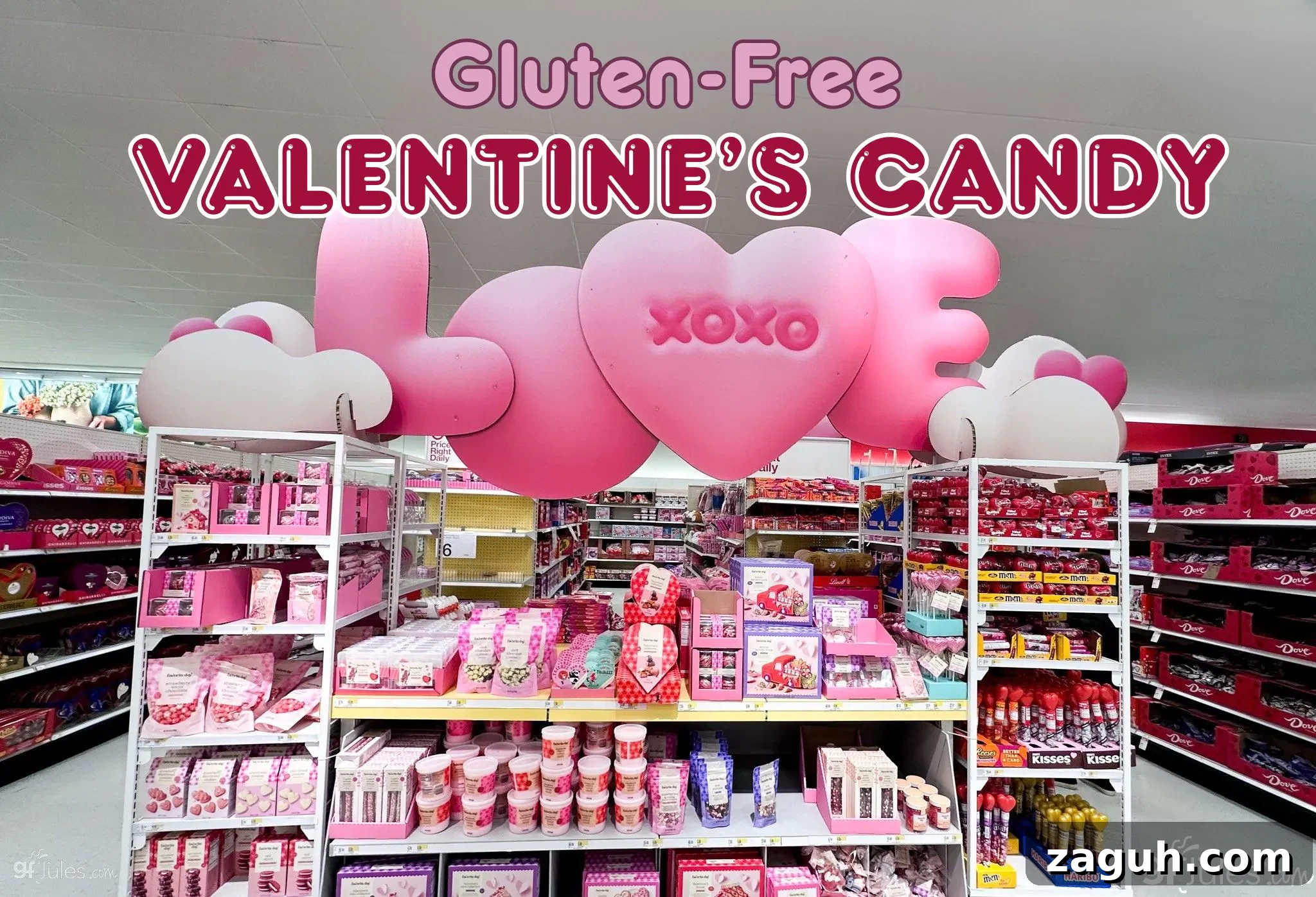
Shopping for gluten-free Valentine’s candy shouldn’t be difficult, but confusing labels and varied manufacturing practices can make it feel that way. Many manufacturers use different terms to describe ingredients, processing environments, and cross-contact risks, so it can be challenging to identify truly safe options.
To simplify your shopping, I’ve compiled a practical Gluten-Free Valentine’s Candy guide that highlights reliable gluten-free choices and explains what to look for on packaging. The guidance below applies to candy and other packaged foods—understanding labeling and allergen statements will help you shop safely.
For seasonal candy lists, you may also be interested in updated guides for other holidays like Halloween, Easter, and Passover.
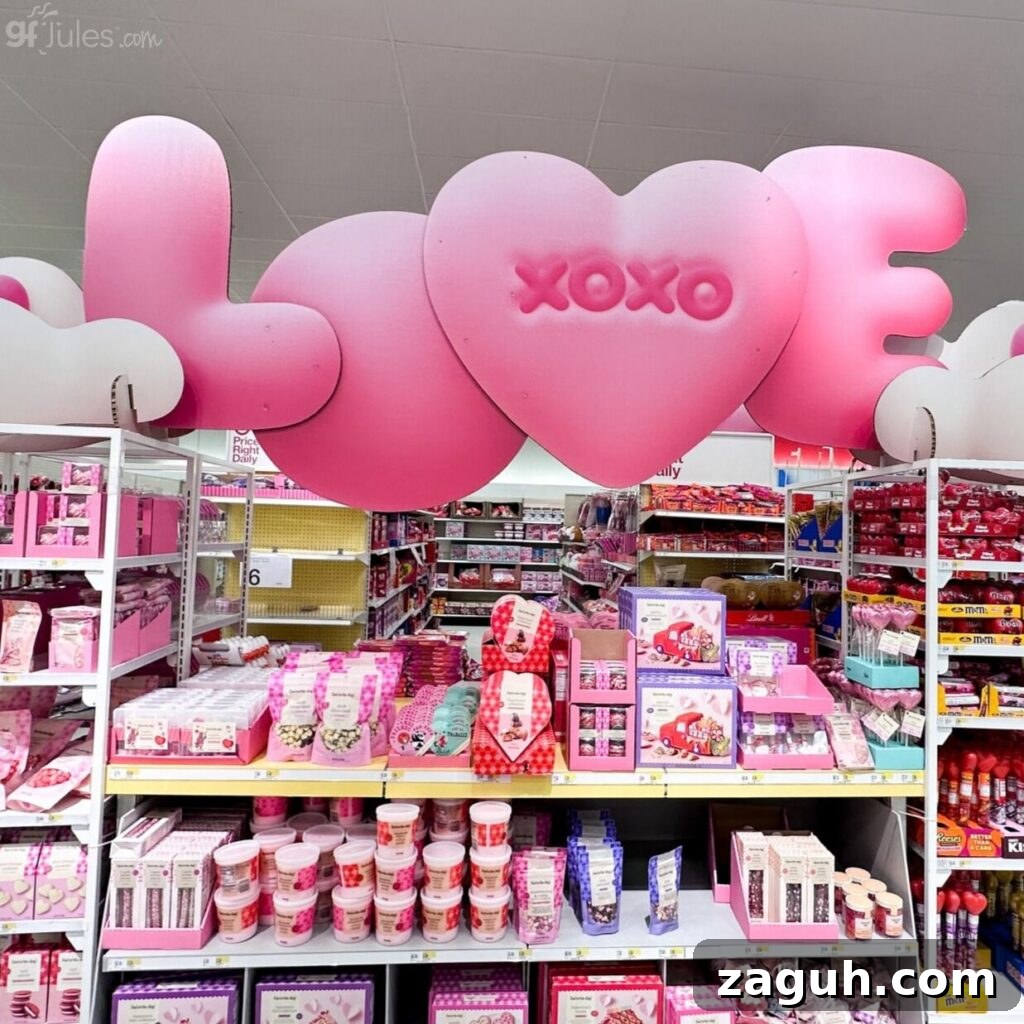
Are Reese’s Gluten Free?
Reese’s Peanut Butter Cups are a holiday favorite, but information online can be inconsistent. Reese’s is part of The Hershey Company, which directs consumers to packaging for the most current allergen information. Hershey’s states that “all varieties of REESE’S Peanut Butter Cups are gluten-free except for seasonally shaped items.”
Seasonal shapes may be produced in facilities where gluten is present, so if you need to avoid gluten, stick to traditional Reese’s shapes and confirm the gluten-free claim printed on the package.
Are Candy Hearts Gluten Free?
Conversation hearts are an iconic Valentine’s treat. Which options are safe depends on the brand and how they’re manufactured.
Sweethearts Candies (Spangler) are Gluten-Free
The original Sweethearts made by Spangler do not display gluten-free labeling on the package itself in all cases, but their website indicates the product is gluten-free and ingredient lists do not include gluten-containing items.
Sweetarts and Some Brach’s Conversation Hearts (Ferrara) — Facility Risk
Ferrara-brand Sweetarts and many Brach’s conversation hearts are produced in facilities that also handle wheat. Ferrara’s product pages may indicate the candies are made in a facility that handles wheat, which signals a potential cross-contact risk. Packaging should be your primary source of information when you’re in the store.
There is no standardized meaning for “made in a facility” statements, so whether that claim concerns you is a personal decision. These precautionary allergen statements are not consistent across the industry.
Hershey’s Conversation Kisses are Labeled Gluten-Free
Hershey’s Conversation Kisses feature printed messages like classic conversation hearts and carry a clear gluten-free claim on the packaging. These are a convenient alternative if you prefer a certified label.
Which Valentine’s Day Chocolates are Gluten Free?
Hershey’s Chocolates — Check the Label
Hershey’s produces many seasonal chocolates, but not all are labeled gluten-free. York Peppermint Patties, for example, are clearly labeled gluten-free, including seasonal heart shapes. Other items, like some Hershey’s Meltaways or Cookies & Creme heart-shaped chocolates, may not carry a gluten-free claim despite not listing gluten ingredients. Hershey directs consumers to packaging and product pages for current allergen statements.
Other Gluten-Free Chocolate Options
Tootsie Roll brands frequently display gluten-free and peanut-free claims and note that wheat and peanuts are not used in their facilities. Brands under the same company, such as Andes, Blow Pops, Dots, Junior Mints, Cella’s Chocolate Covered Cherries, Charleston Chew, and Frooties, are commonly considered safe when labeled accordingly.
Are Heart-Shaped Chocolate Boxes Gluten Free?
Traditional heart-shaped assortments from brands like Russell Stover or Whitman’s Sampler contain mixed chocolates, so allergen statements can vary by product and by year. Some assortments show no specific allergen statements on the package, while others include precautionary notes. Read every package carefully, and avoid products that are produced on shared equipment with wheat if that is a concern for you.
Which Gummy Candies are Gluten-Free?
Not all gummy candies are gluten-free. For instance, Haribo Goldbears are no longer reliably gluten-free because their glucose syrup may be derived from wheat. When a product lists “may contain wheat” or includes wheat-derived ingredients, it should be avoided if you need to steer clear of gluten.
Look for gummies labeled gluten-free—Albanese Gummi Bears are an example of a gummy candy with a gluten-free label. Other gluten-free gummy choices include brands like Frooties, YumEarth (some varieties), and Torie & Howard—make sure to confirm the gluten-free label on the specific product packaging.
Seasonal fruit snacks from brands such as Welch’s also often carry gluten-free labeling. Starburst, Skittles, Lifesavers, and many Charms products have explicit gluten-free claims, making them dependable Valentine’s candy options.
Sour Patch Kids do not always list a gluten-free claim on packaging; when in doubt, check the manufacturer’s current allergen information before purchasing.
Other Safe Gluten-Free Brands for Valentine’s Day
Brands that focus on allergen-safe production are especially useful around holidays:
- YumEarth produces many Top 9-allergen-free and gluten-free fruity candies and dairy-free chocolates, but check each product carefully—some items may contain wheat or be processed in ways that matter to certain diets.
- Smarties are Top 9 allergen-free, gluten-free, and vegan.
- Partake Cookies are certified gluten-free and free of the Top 9 allergens, though they are made with oats.
- Made Good bars are certified gluten-free and Top 9 allergen-free, made with purity-protocol oats.
- Siete Foods makes certified gluten-free, grain-free snacks that can be a nice seasonal or gift option.
- Certified gluten-free savory snacks, such as certain veggie chips, provide non-sweet Valentine’s snack options for sharing.
Bottom line: read every package and rely on clear gluten-free claims if avoiding wheat or gluten is essential to your health. When in doubt, choose products with explicit certification or contact the manufacturer for current allergen controls.
Feel free to share other candies you’ve found that are not gluten-free or recommend your favorite gluten-free Valentine’s candy brands.
Pin or save this guide to simplify your Valentine’s Day shopping and ensure that treats are safe for those avoiding gluten.