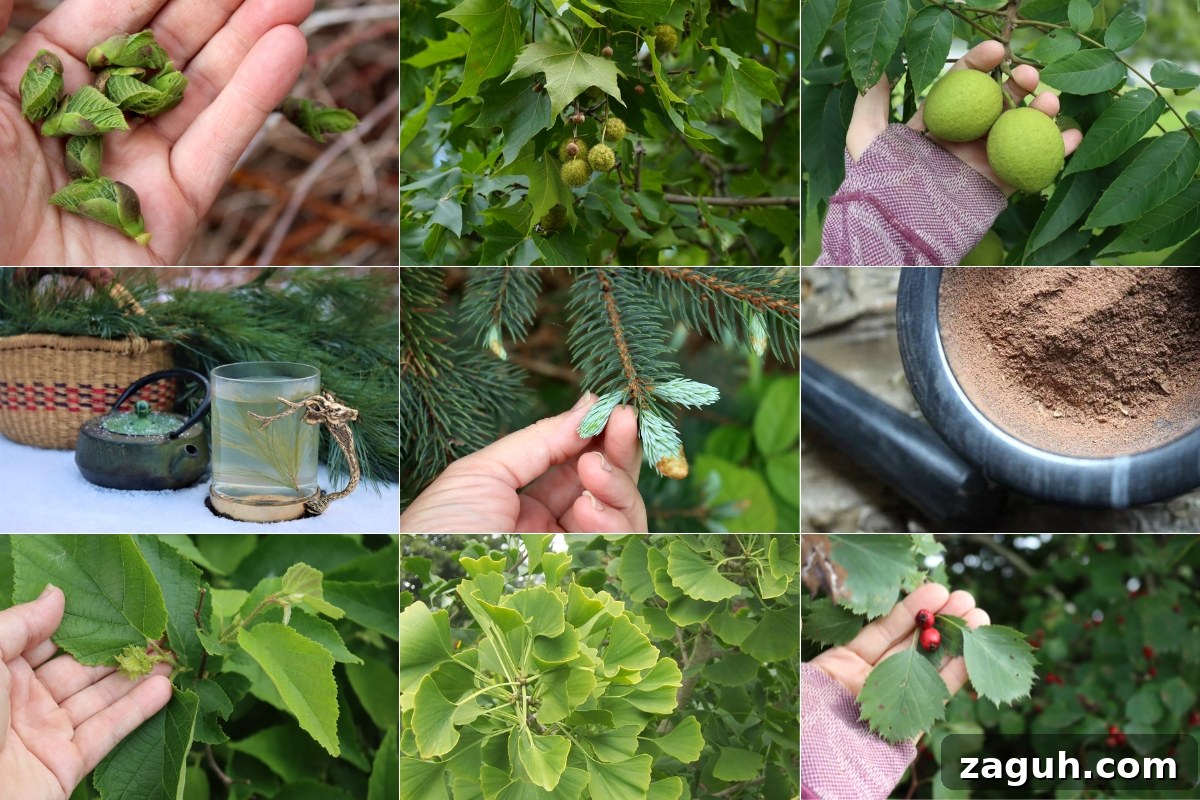
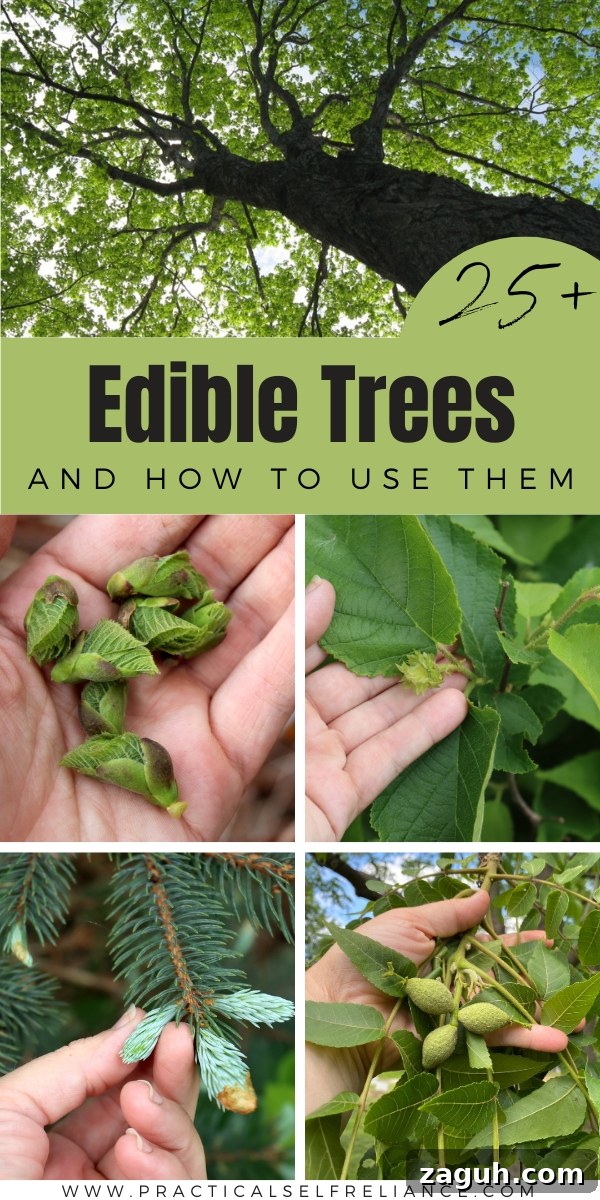
Edible trees — really? Yes. Many tree species offer more than fruit: leaves, buds, sap, bark, roots, catkins, flowers, seeds and even resins can be eaten or used for food and medicine. While most people only think of orchard fruit, woodlands hold a surprising variety of edible tree parts.
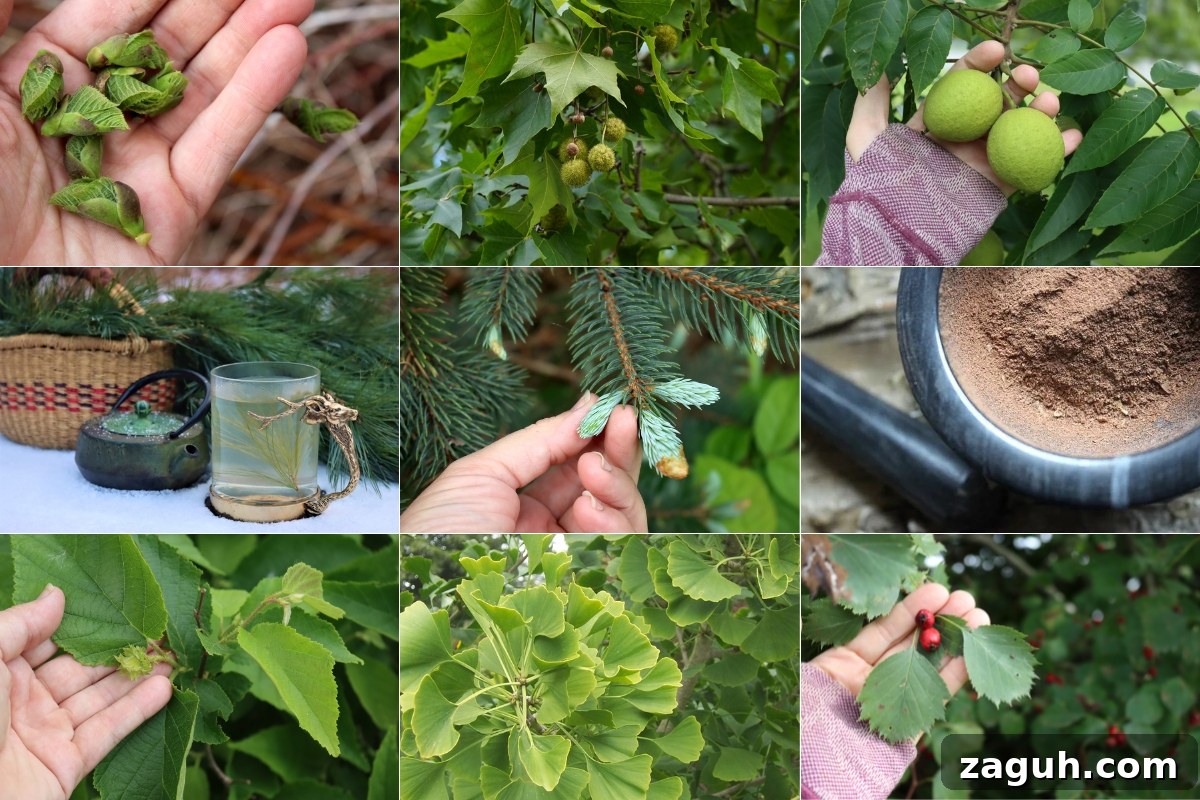
Trees give us shade and oxygen, and many also provide nourishing or flavorful food. Beyond nuts and familiar fruits, leaves, buds, sap, inner bark and other parts have been used by cultures worldwide as vegetables, seasonings, sweeteners, flours, teas and medicines.
As agriculture specialized, many of these uses faded from common practice, but some traditions remain: tapping maples for syrup in New England, preparing maple leaves in parts of Japan, or adding redbud blossoms to spring salads in Appalachia. Relearning how to identify and use edible trees expands your foraging options, adds nutrition and flavor, and connects you to seasonal rhythms.
Foraging tree parts requires identification skills and seasonal timing: buds, young leaves, catkins and sap each have optimal windows for harvest.
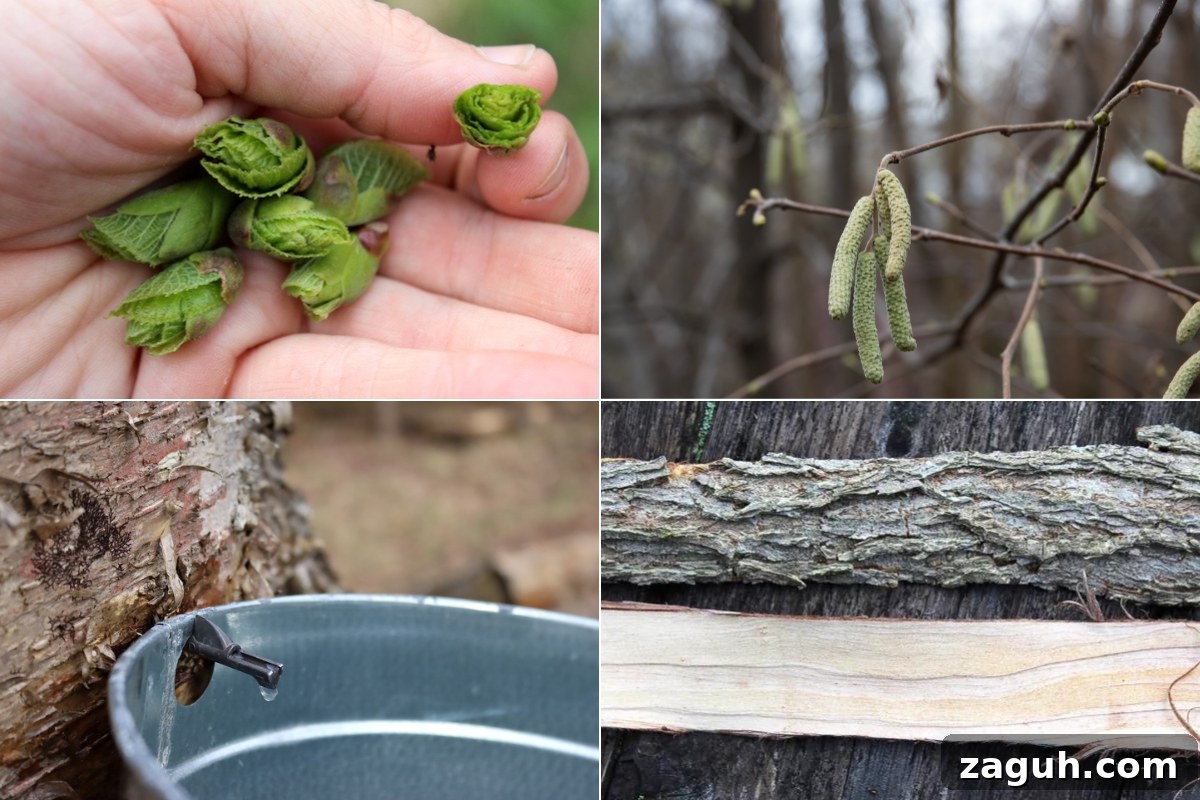
Parts of a Tree
Understanding tree anatomy helps you know what’s edible and when. Not every species is edible in all parts or at all stages, so accurate ID and timing matter.
Common edible tree parts include:
- Roots — Some roots are softer and were used as food or medicine, or processed into nutrient sources.
- Root bark — The outer tissues of roots can differ from trunk bark and sometimes have uses.
- Sap — Sugar-rich sap can be consumed fresh, fermented, or boiled down to syrup. Many tree species beyond maple can be tapped.
- Resin — Produced after injury, resins are often antimicrobial and strongly flavored; some are edible or medicinal.
- Phloem (inner bark) — The living inner bark can be dried and ground into flour or eaten fresh in some species.
- Outer bark — In a few species outer bark contains nutrients and antioxidants and is used for flavor or nutrition.
- Branches/trunk/heartwood — Usually not eaten directly but used to smoke or flavor foods; some are made into medicinal wood teas.
- Young twigs — Rich in sap and tender tissue; often brewed into teas or eaten when very young.
- Buds and growing tips — Concentrated sugars and flavors; great in syrups and confections.
- Leaves — Eaten at different stages from tender spring leaves to hardy winter leaves in some traditions.
- Catkins — Male reproductive structures that have been eaten fresh or made into flour historically.
- Flowers — Often fragrant and sweet, used fresh in salads, for jellies, syrups or teas.
- Cones and samaras — Seed-bearing structures; some contain edible seeds like pine nuts or maple keys.
- Fruits and nuts — The most obvious tree foods: apples, cherries, walnuts and more.
- Mushrooms — Fungi that grow on trees can be edible or medicinal and may gain properties from their host species.
Edible Trees to Know
Spring brings tender new leaves on many deciduous trees that make pleasant greens for salads and soups. Conifers produce citrusy tender tips useful in teas, syrups and desserts. Other trees bloom in profusion: redbud and black locust blossoms are eaten as garnishes or turned into jellies and syrups. Late winter and early spring tapping yields sap for beverages or syrups from many species beyond sugar maple.
Bark and roots are edible in some species but harvesting them risks harming trees; use fallen wood or only harvest sparingly. Below is a list of commonly used edible trees across North America:
- American Beech (Fagus grandifolia)
- Balsam Fir (Abies balsamea)
- Birch (Betula spp.)
- Eastern Hemlock (Tsuga canadensis)
- Eastern White Cedar (Thuja occidentalis)
- Eastern Redbud (Cercis canadensis)
- Gingko (Gingko biloba)
- Hawthorn (Crataegus sp.)
- Hazel (Corylus sp.)
- Hickory (Carya spp.)
- Hop Hornbeam (Ostrya virginiana)
- Kentucky Coffee Tree (Gymnocladus dioicus)
- Linden (Tilia spp.)
- Maple (Acer spp.)
- Moringa (Moringa oleifera)
- Mulberry (Morus spp.)
- Pine (Pinus spp.)
- Poplar (Populus spp.)
- Sassafras (Sassafras albidum)
- Slippery Elm (Ulmus rubra)
- Spicebush (Lindera benzoin)
- Spruce (Picea spp.)
- Sycamore (Platanus occidentalis)
- Walnuts (Juglans spp.)
- Western Red Cedar (Thuja plicata)
- Willow (Salix spp.)
The sections below summarize edible uses and practical notes for many of these species.
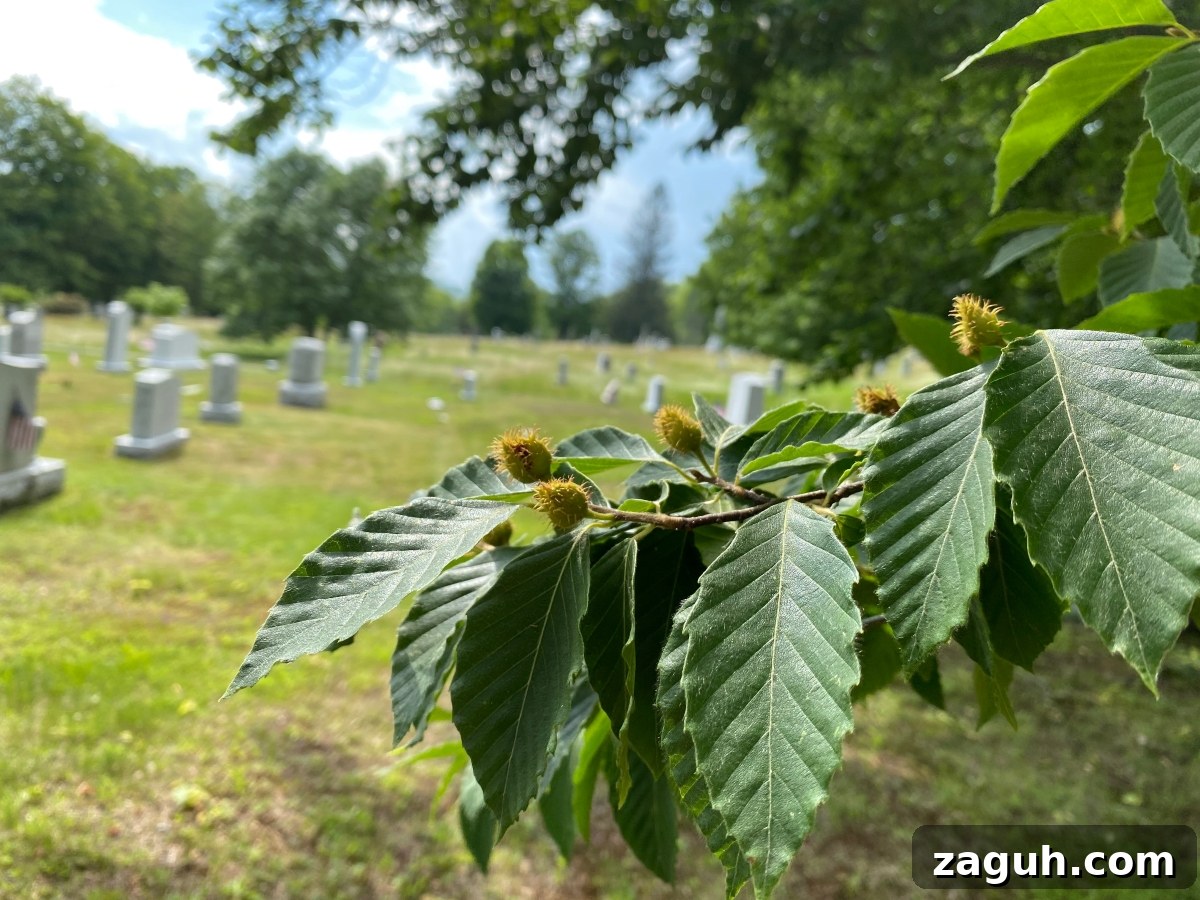
American Beech (Fagus grandifolia)
A large eastern forest tree that produces edible beechnuts in fall and tender young leaves in spring. The inner bark has been used historically as a survival flour extender but harvesting inner bark can kill the tree, so avoid doing this on living trees unless in emergency situations.
Balsam Fir (Abies balsamea)
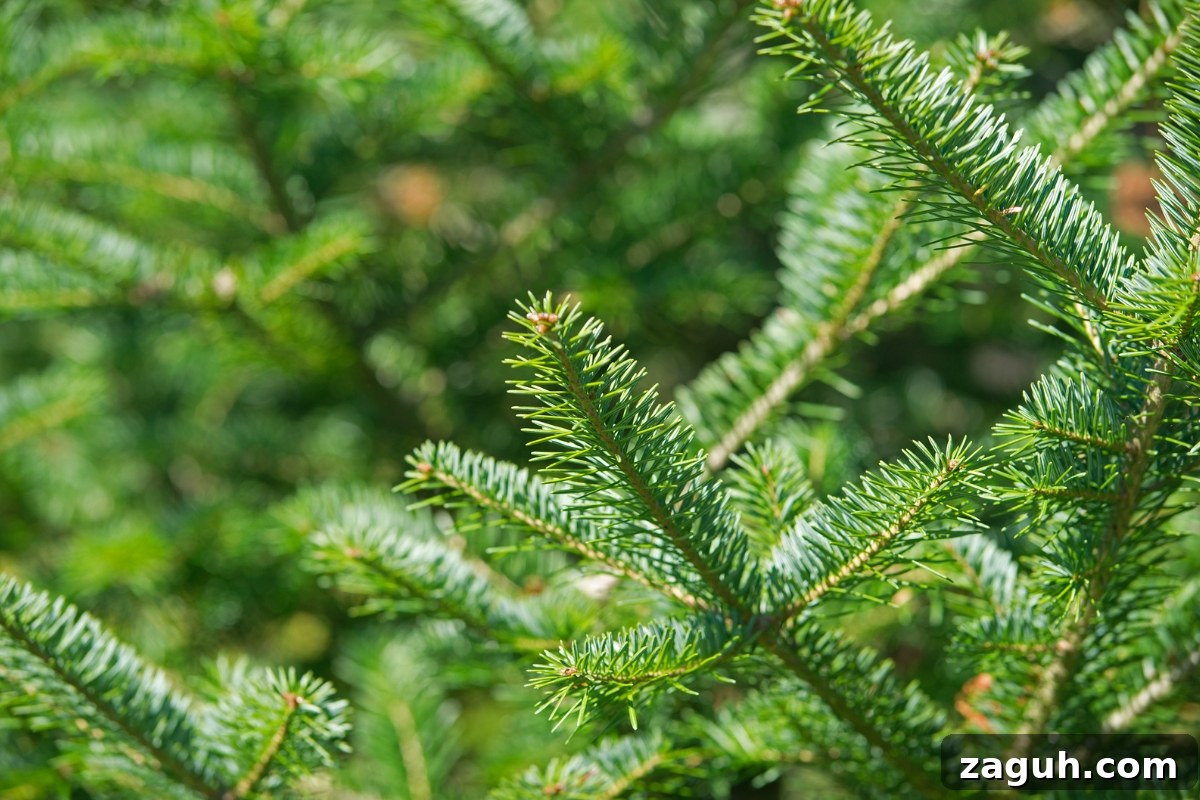
A fragrant winter conifer. Needles and tips make vitamin C-rich teas and flavorings; resin has antiseptic properties. Inner bark is edible in survival contexts. Harvest these respectfully; some populations are vulnerable to habitat change.
Birch (Betula spp.)
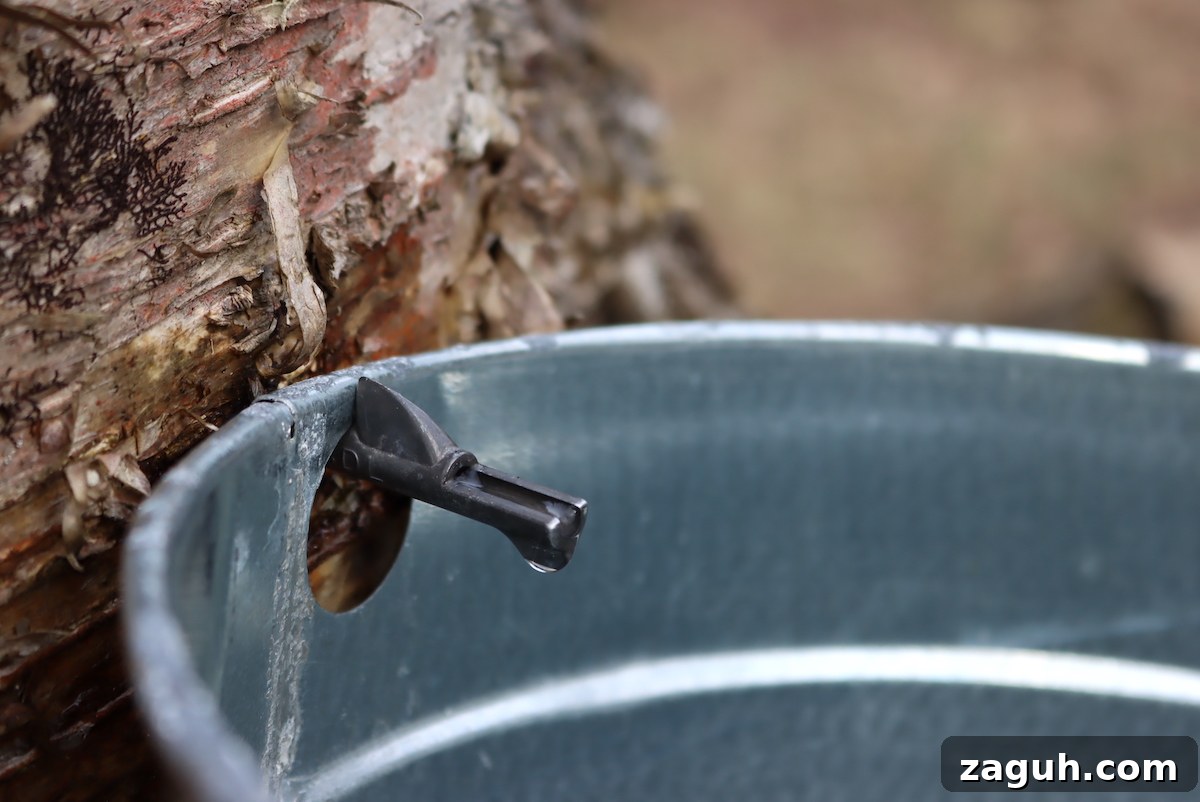
Birches offer sweet sap (drink fresh, ferment or boil to syrup), edible inner bark for flour in scarcity, and useful outer bark for tinder. Multiple birch species share these uses; timing and technique vary by species.
Eastern Hemlock (Tsuga canadensis)
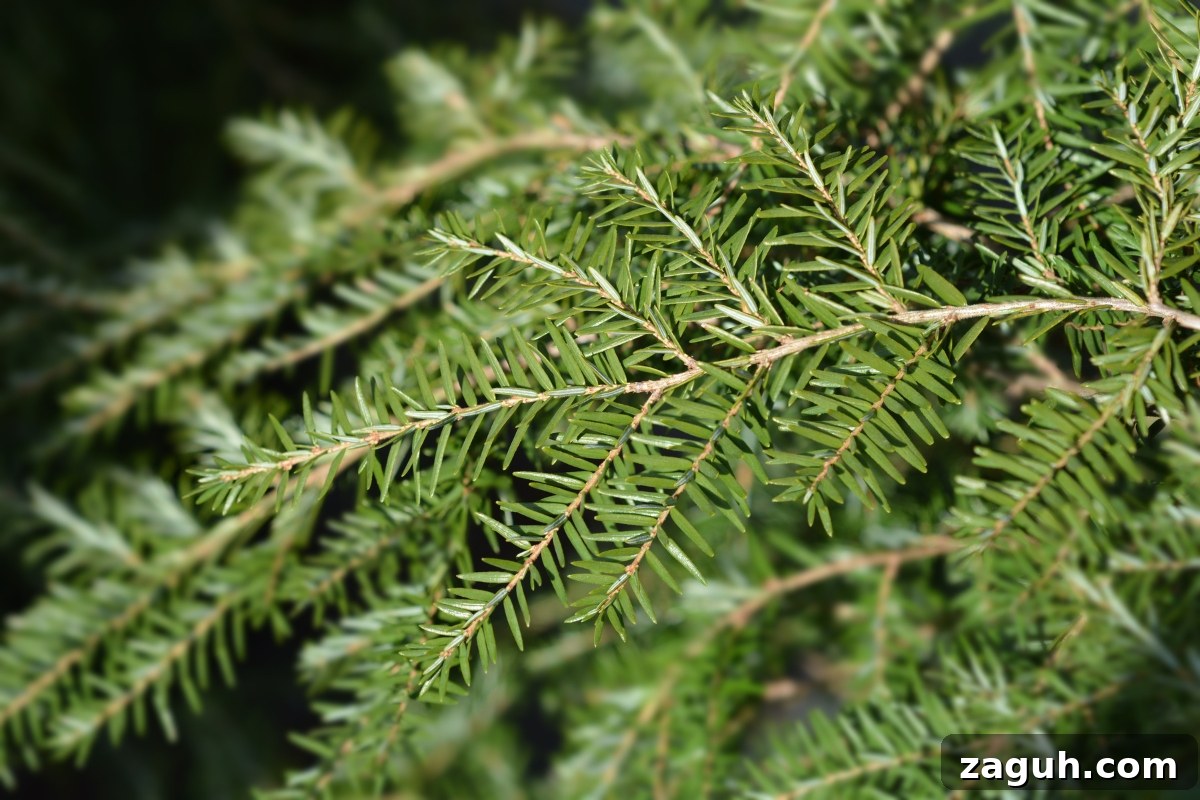
Not related to toxic poison hemlock. Needles make vitamin C-rich tea; inner bark was used traditionally to make breads and pemmican. Grower ranges include northeastern U.S. and Appalachian highlands.
Eastern White Cedar (Thuja occidentalis)
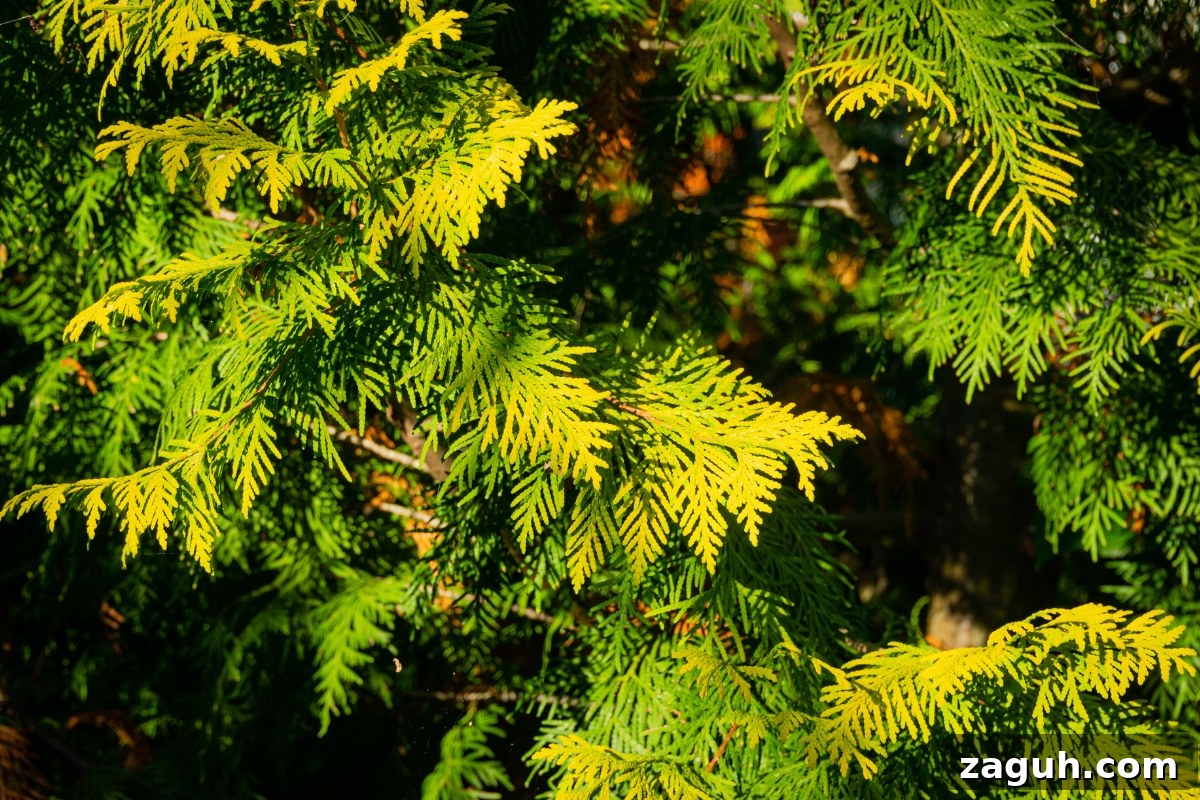
Needles and inner bark are edible and were used as emergency travel food. Needles make vitamin-rich tea; harvest inner bark only from fallen trees. Found in cool, moist sites across parts of New England and the Great Lakes.
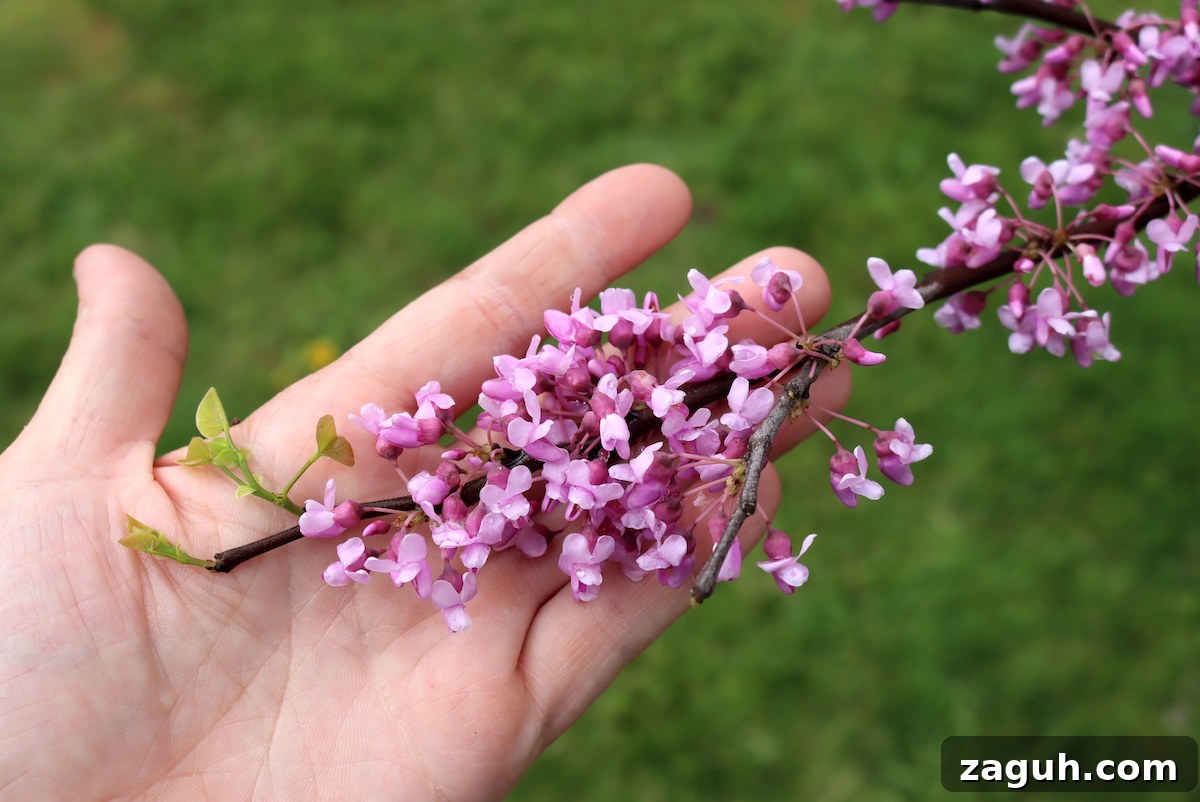
Eastern Redbud (Cercis canadensis)
Known for striking spring flowers that are sweet and edible in salads, jellies and syrups. Young green pods can be cooked like snap peas; mature seeds can be roasted. Harvest blossoms sparingly to support pollinators.
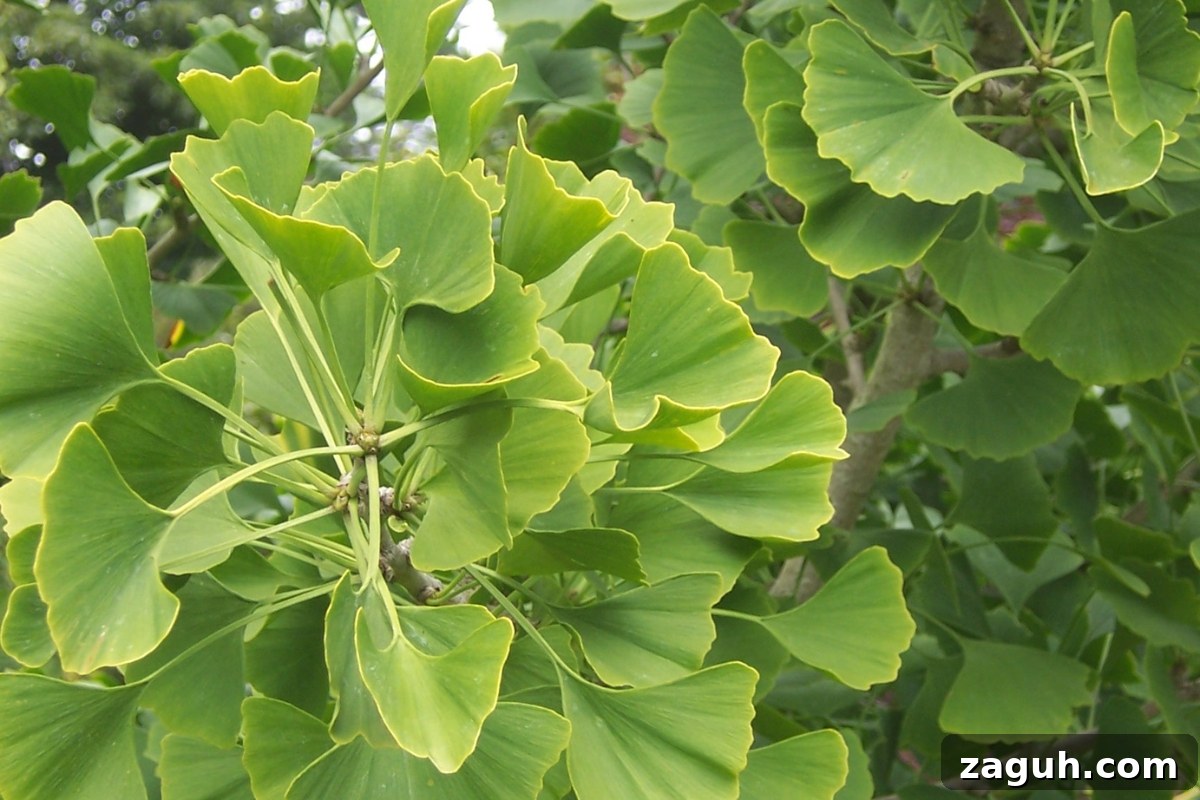
Gingko (Gingko biloba)
An ornamental tree with edible leaves and seeds in moderation. Leaves are used in herbal preparations but can cause stomach upset if eaten in large amounts; traditional medicinal uses focus on circulation and cognitive support.
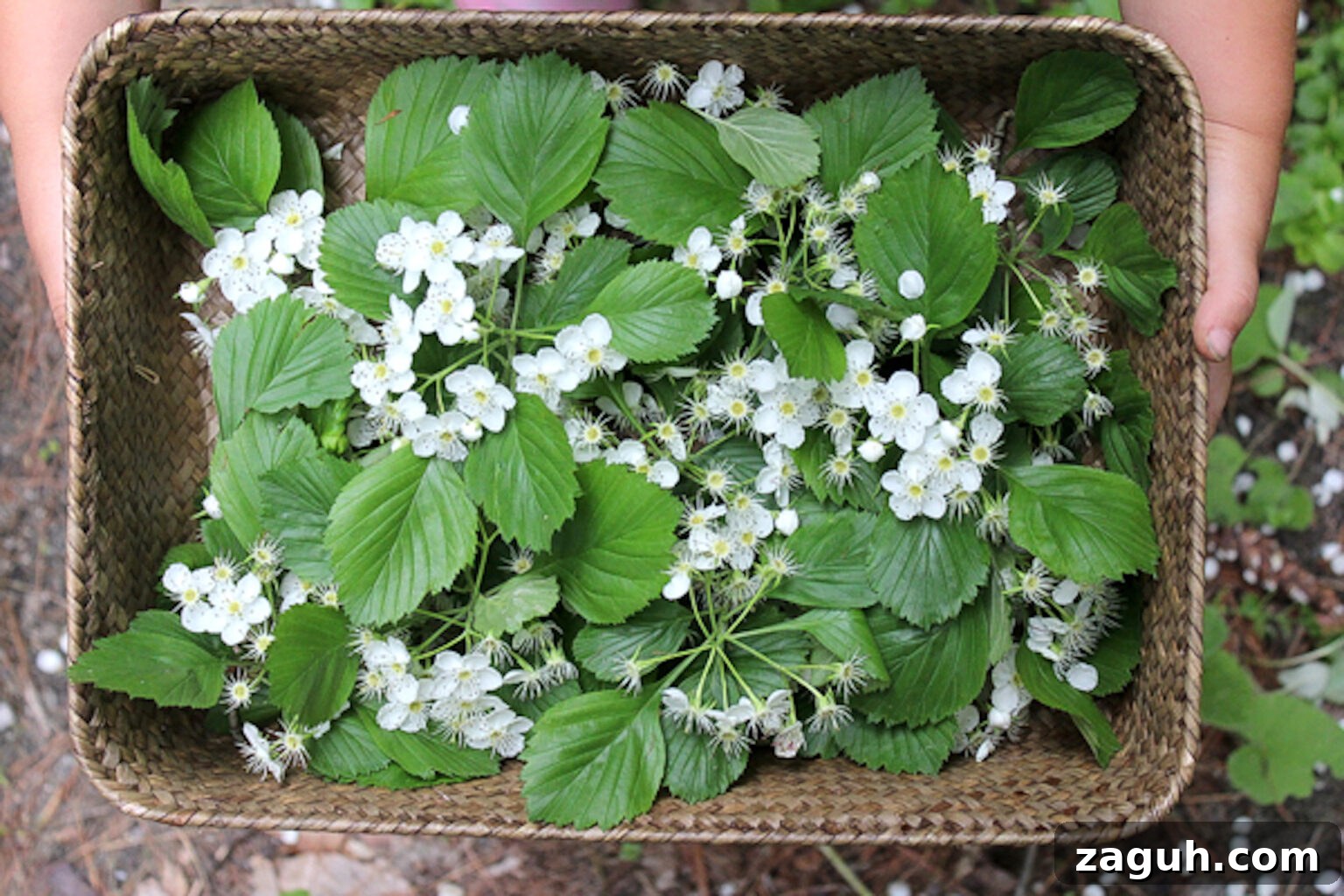
Hawthorn (Crataegus sp.)
Leaves, flowers and fruits have culinary and medicinal uses. Flowers are fragrant and useful in teas and salads; fruit can be cooked into preserves or fruit “cheese.” Hawthorn also has a long history as a heart-supporting medicinal plant.
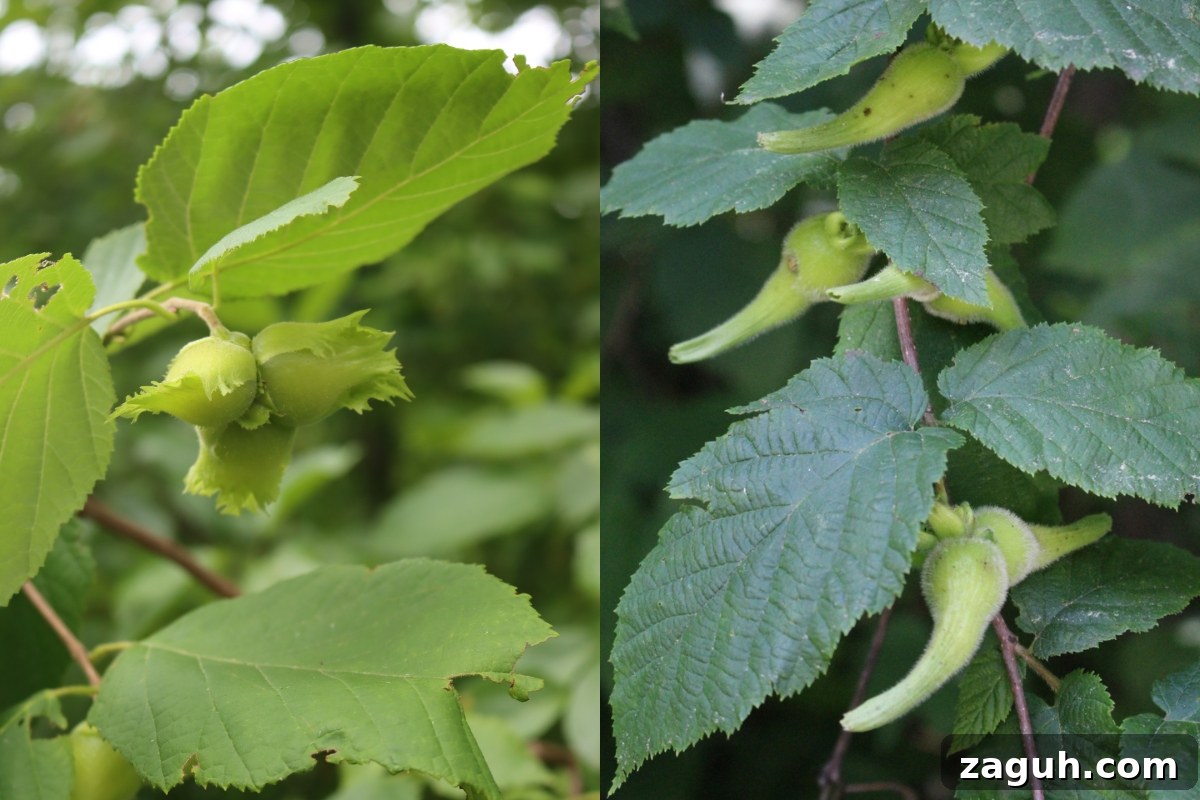
Hazel (Corylus sp.)
Best known for edible nuts, hazel also offers leaves, bark and catkins. Catkins were used historically as a flour source and leaves can be eaten when young. Nuts remain the primary edible harvest.
Hickory (Carya spp.)
Valued for large edible nuts and hardwood, hickory roots and bark have also been used to produce salt or syrups. Bark-derived syrups from species like shagbark hickory can be flavorful; roots can be boiled down to a salty concentrate in survival situations.
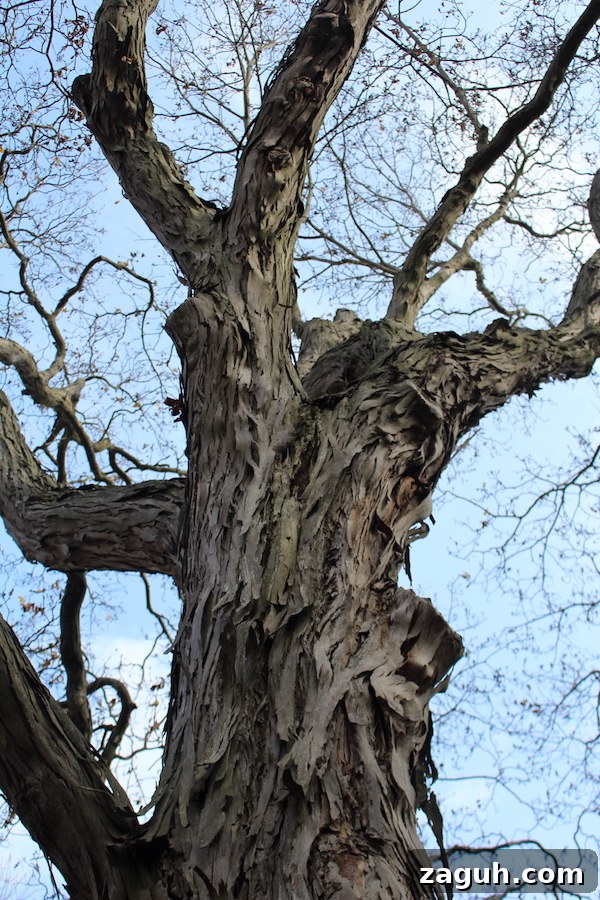
Hop Hornbeam (Ostrya virginiana)
Small understory tree with papery hop-like fruits that contain edible seeds. Bark and wood are used medicinally; seeds are small but edible, and the strong wood is prized for tool handles.
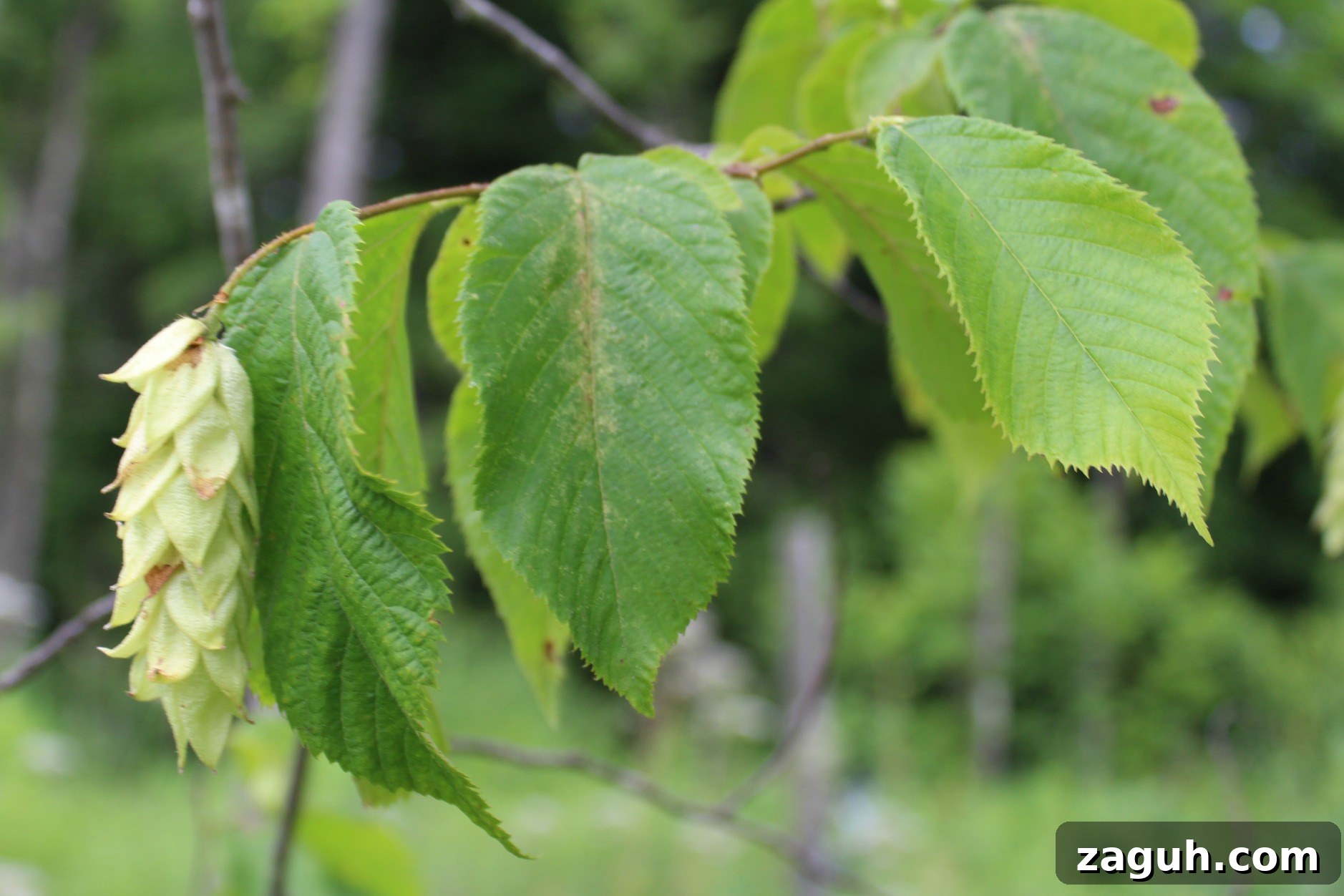
Kentucky Coffee Tree (Gymnocladus dioicus)
This tree produces bean-like pods; mature roasted seeds were used as a coffee substitute by Native Americans and colonists. Raw seeds are toxic and must be roasted. Often planted in urban settings and found in river valleys and floodplains.
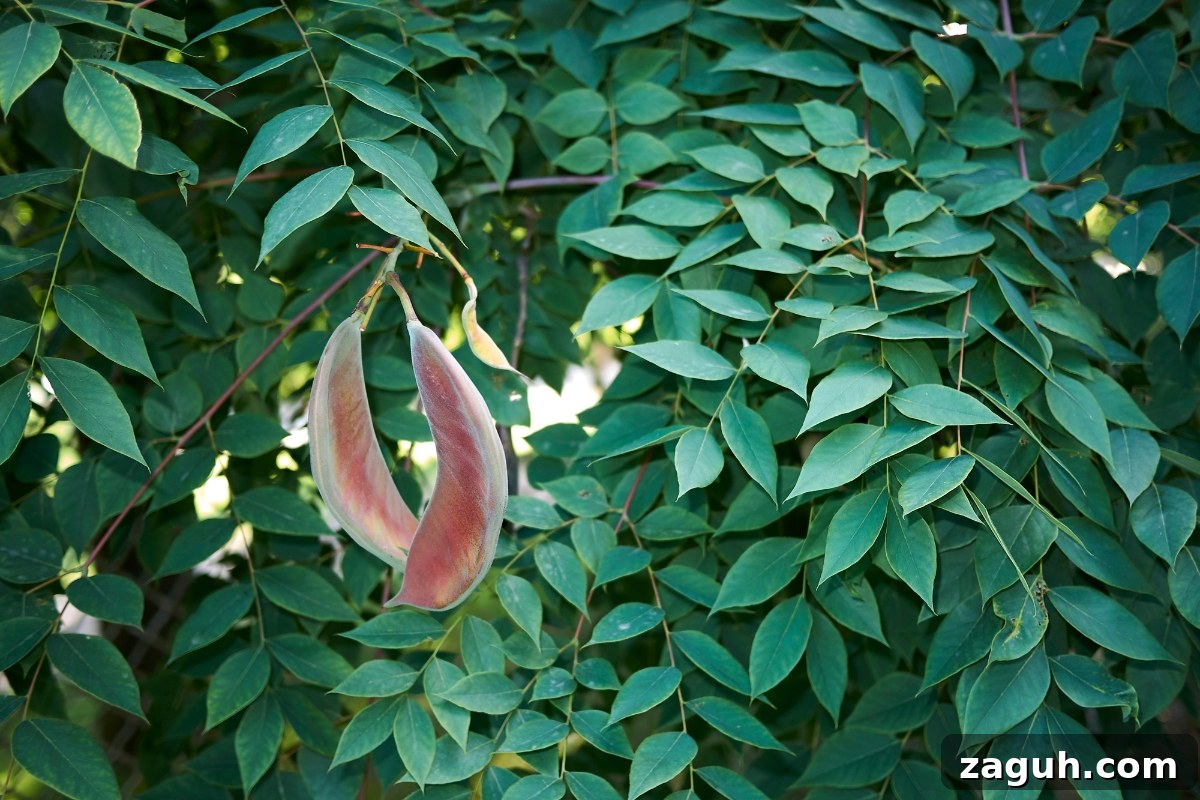
Linden (Tilia spp.)
All parts are edible: sap, bark, buds, leaves, flowers and seeds. Flowers are prized for tea and aromatic honey. Linden tea is used traditionally as a relaxant and mild sleep aid; harvest flowers and leaves for infusion.
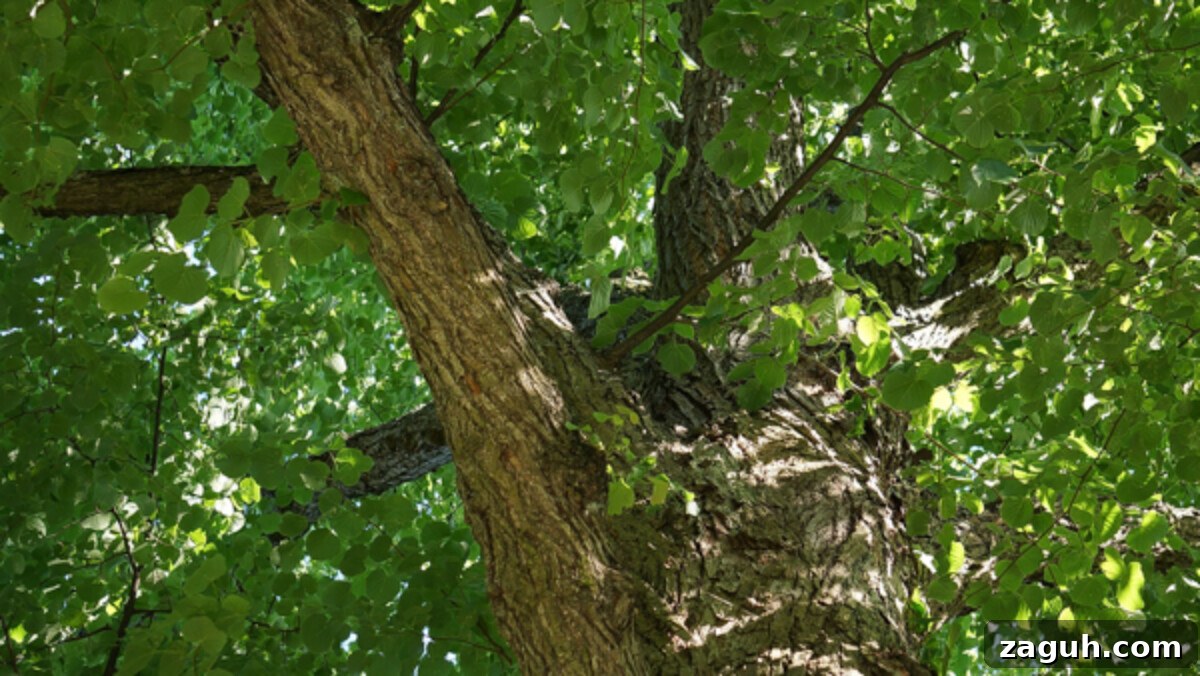
Maple (Acer spp.)
Maples are commonly tapped for syrup, with sugar maple most prized. Other parts — inner bark, leaves, seeds — are also edible in certain contexts. Some cultures even fry maple leaves for seasonal treats.
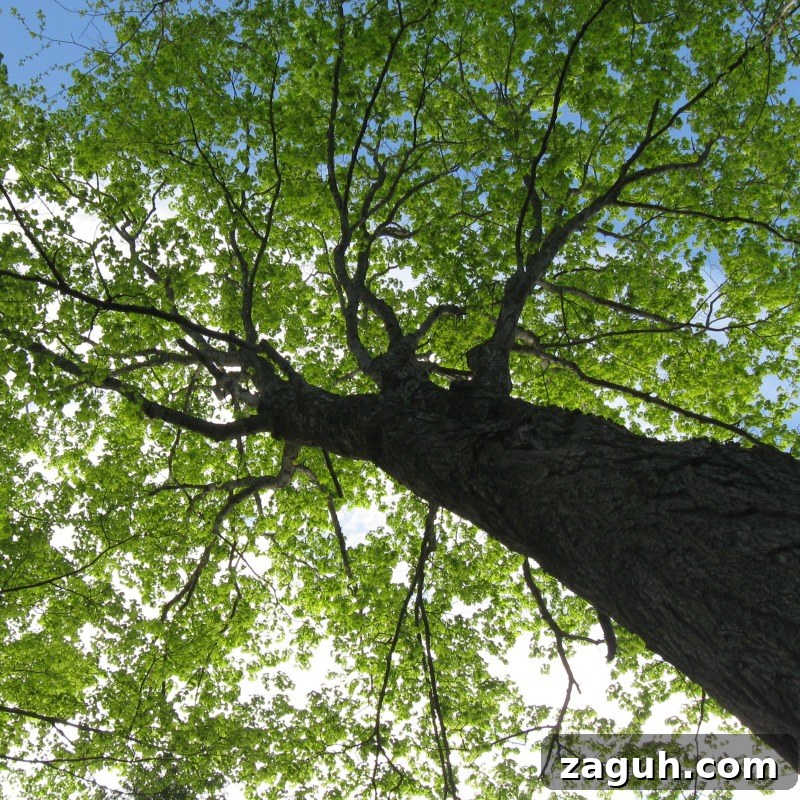
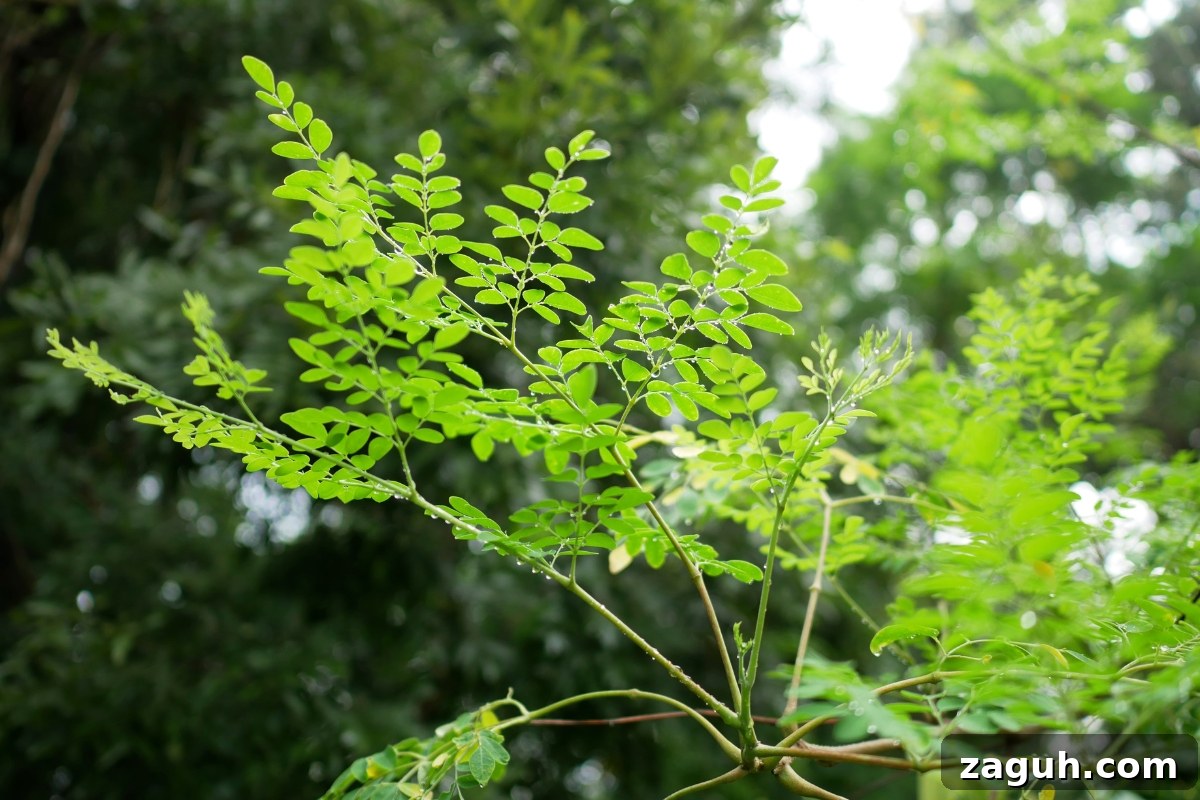
Moringa (Moringa oleifera)
Though not native to the U.S., moringa is widely cultivated where climate allows. Nearly the whole tree is edible — leaves, flowers, pods, seeds, bark and roots — and leaves are highly nutritious. Hardy only in warm climates, it’s popular in permaculture and kitchen-gardening circles.
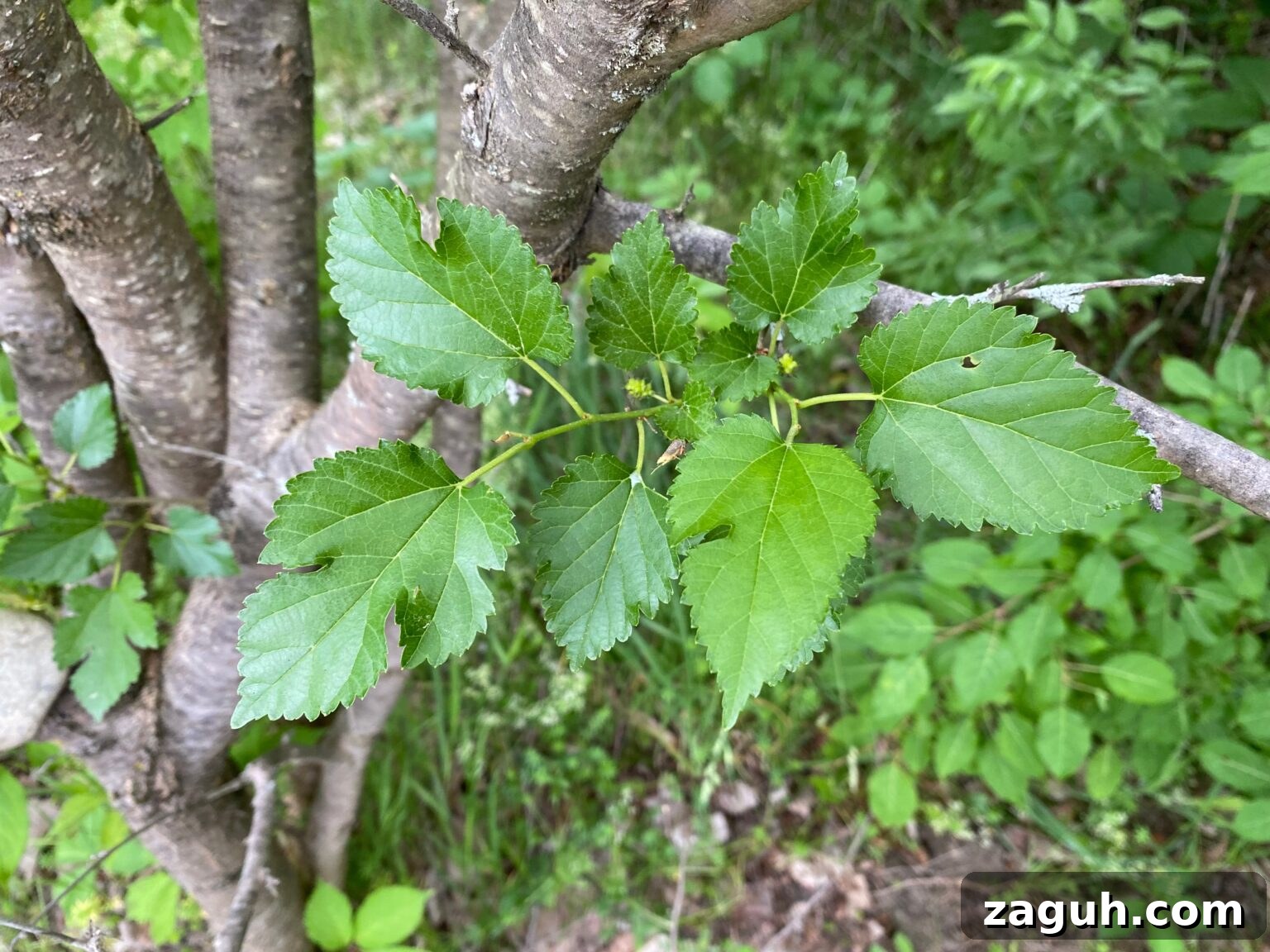
Mulberry (Morus spp.)
Mulberries produce sweet berries for eating and preserves, and young leaves are tender, nutritious and excellent as greens. Introduced species are common in disturbed sites while native species grow on edges and openings.
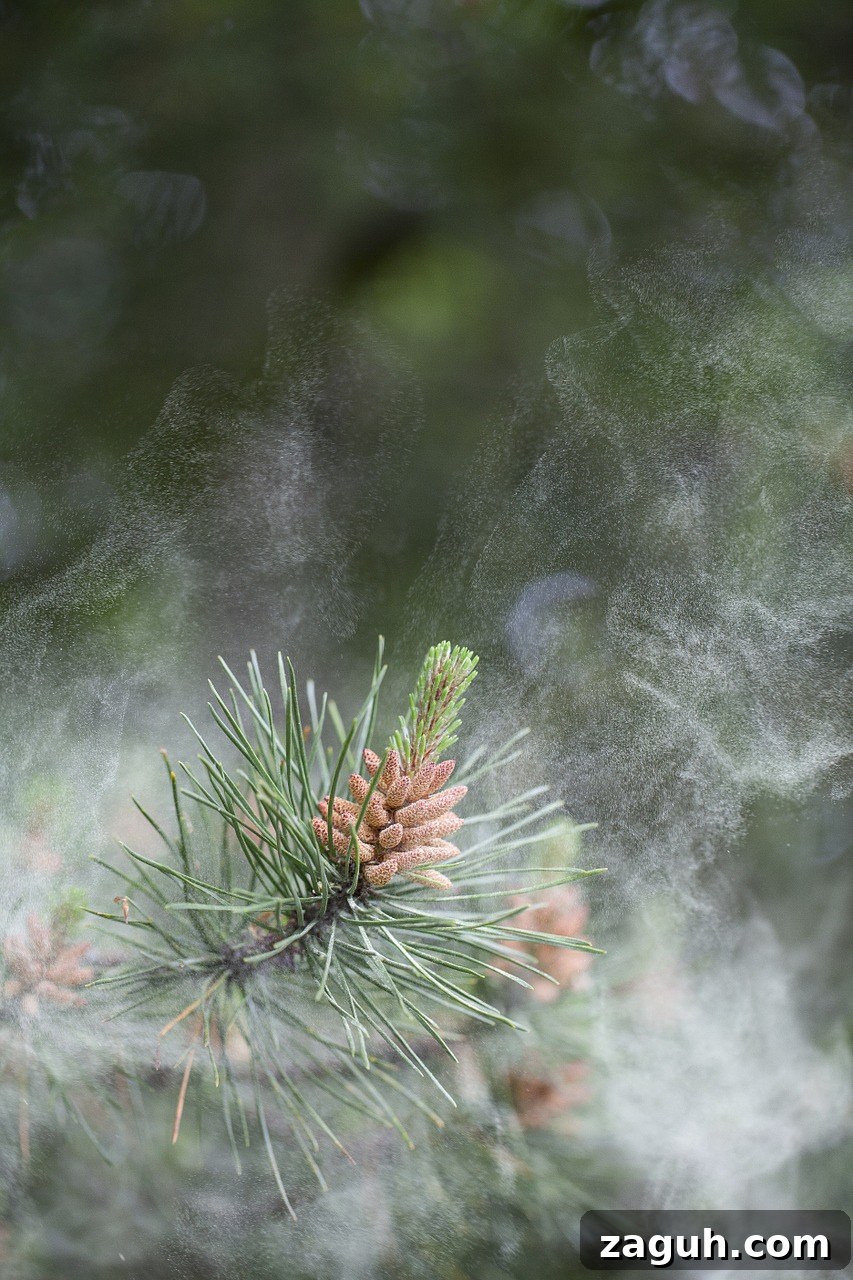
Pine (Pinus spp.)
Pines yield edible seeds (pine nuts), needles for vitamin-rich tea, pollen and, in some species, inner bark or small cones. Use caution: some lookalikes like yew are toxic. Know your local species before consuming.
Poplar (Populus spp.)
Aspens and poplars have starchy, sweet inner bark that can be eaten or dried and ground as a flour substitute; some species provide edible catkins and tappable sap for syruping or fermentation.
Sassafras (Sassafras albidum)
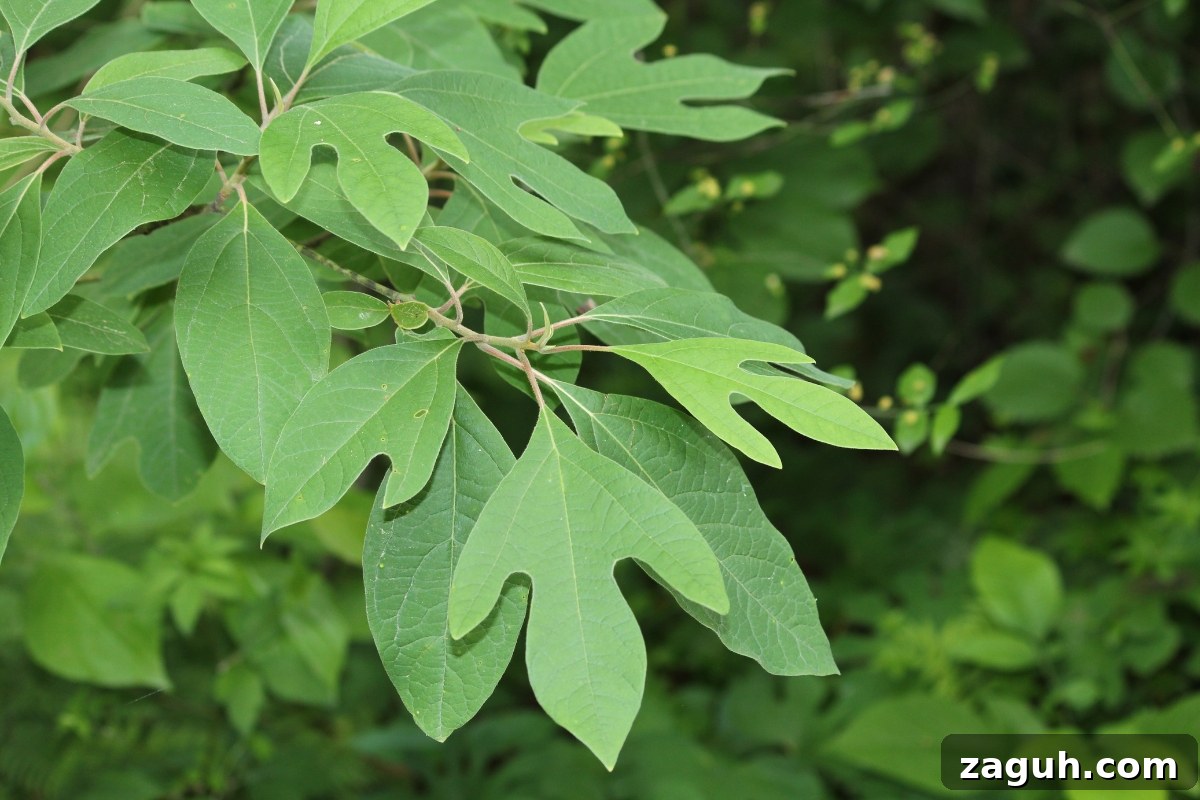
Recognizable by three leaf shapes, sassafras leaves and roots have culinary and traditional uses, from flavoring to filé powder in gumbo. Root preparations were once used in root beer; however, safrole in sassafras oil has regulatory and health considerations, so use caution.
Slippery Elm (Ulmus rubra)
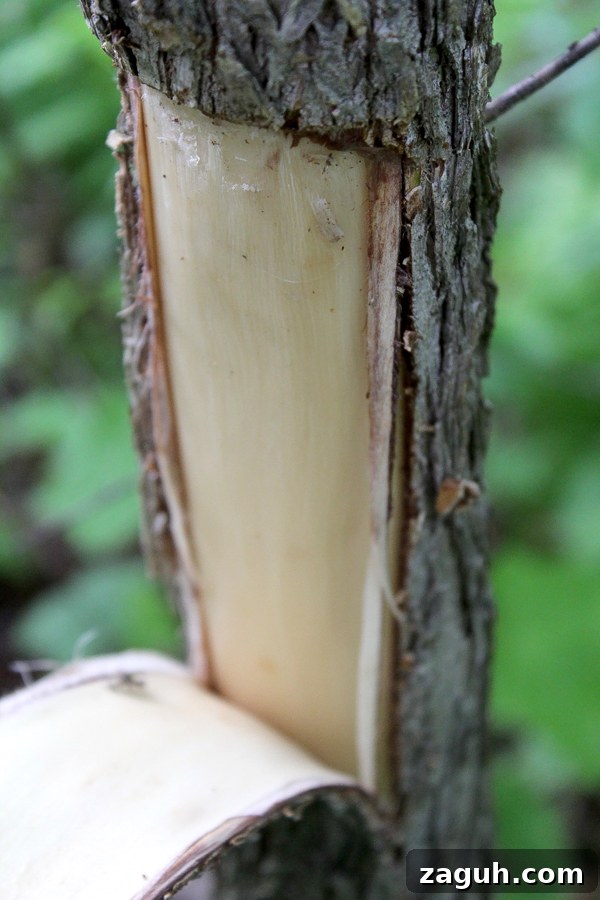
Inner bark is a recognized demulcent used in teas and remedies. Leaves and seeds are edible, but the species has been overharvested in places; avoid stripping bark from living trees and favor sustainable sources.
Spicebush (Lindera benzoin)
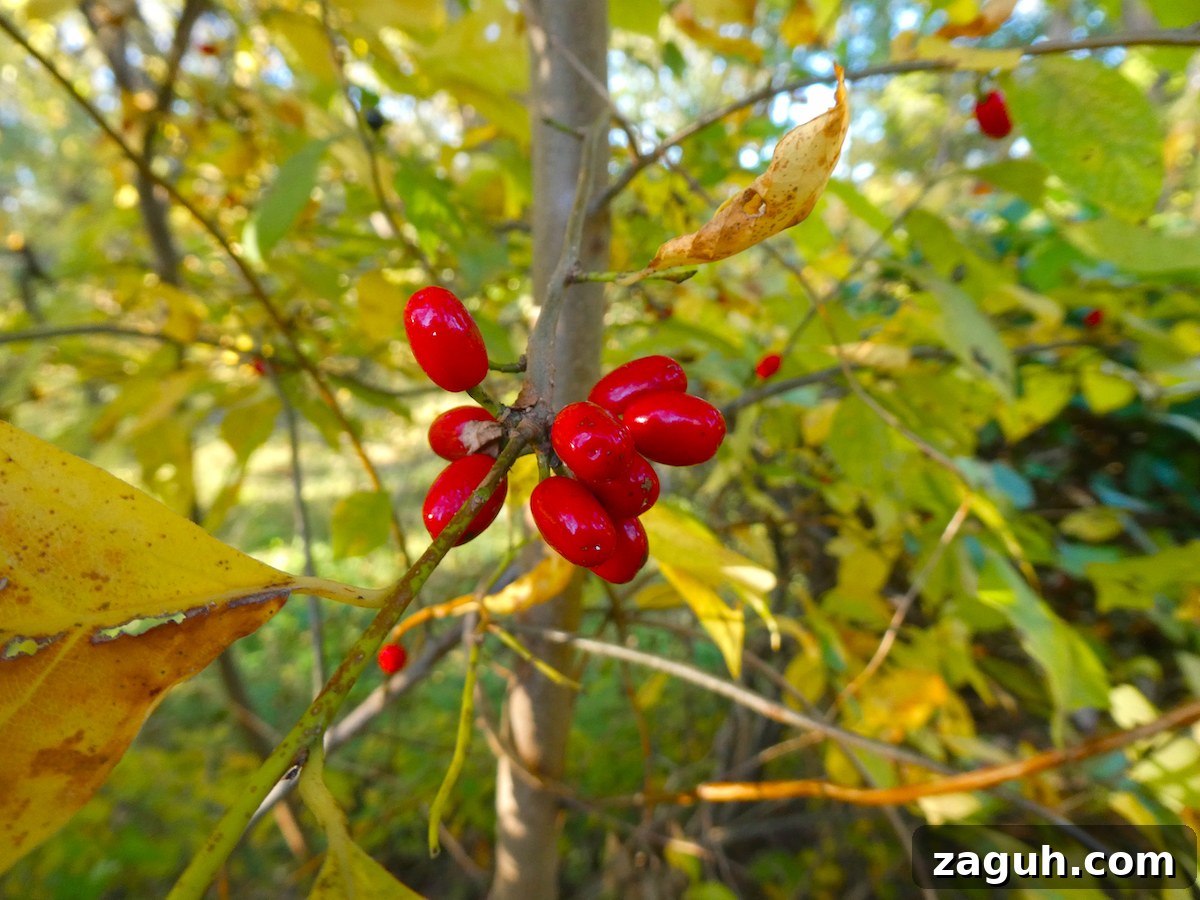
A fragrant shrub whose leaves, flowers, twigs and fruit are strongly flavored and useful as a spice. Berries and twigs have historical culinary and medicinal use and grow in varied woodland habitats.
Spruce (Picea spp.)
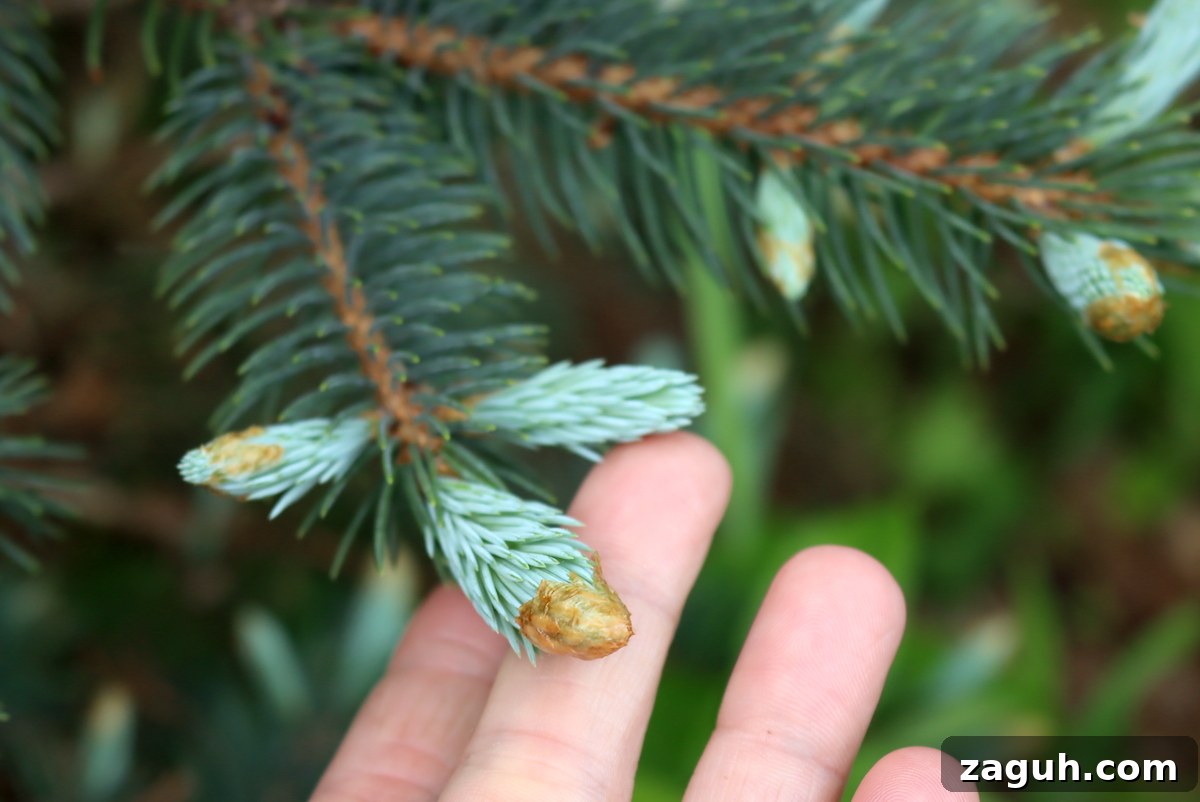
Spruce tips and needles make vitamin C-rich, citrusy tea and flavorings. Young tips are excellent in desserts and syrups; inner bark, sap and pollen also have uses. Many spruce species grow across North America in cool climates.
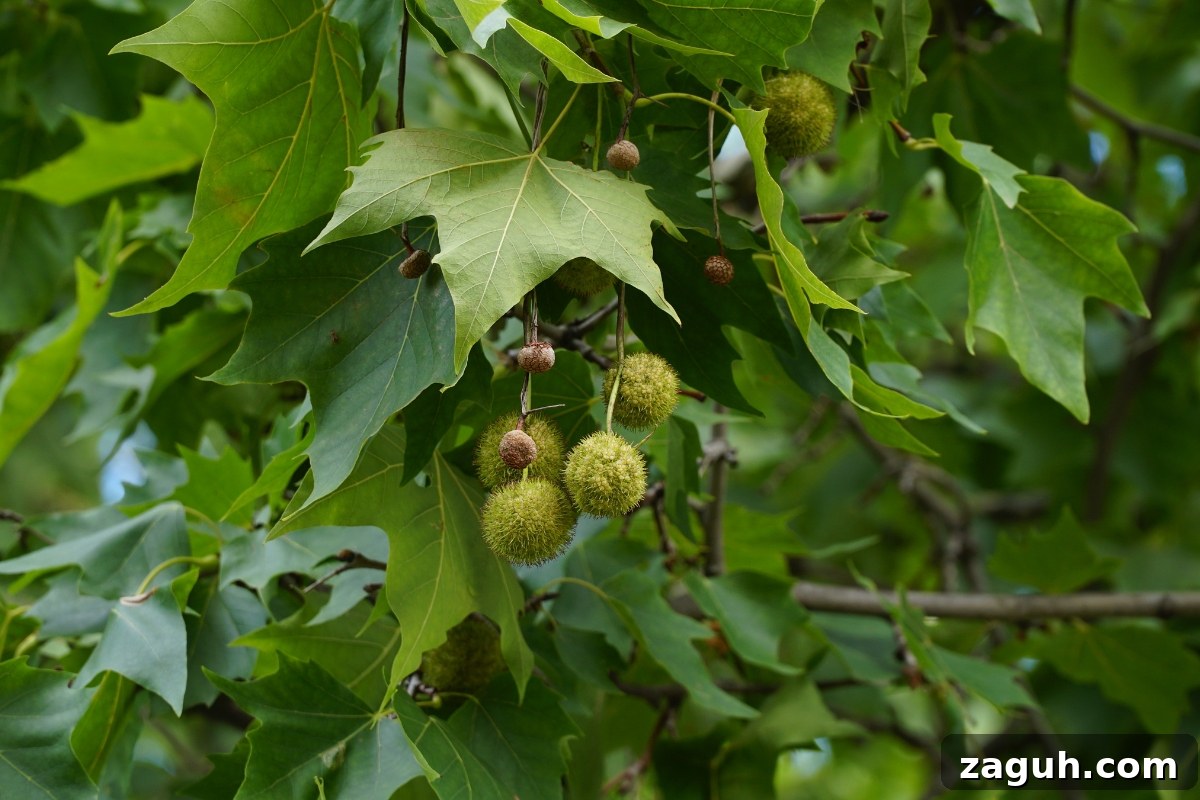
Sycamore (Platanus occidentalis)
Large bottomland trees with distinctive peeling bark. Historically used medicinally; sap can be tapped and reduced to a flavorful syrup with honeyed or butterscotch notes in some cases.
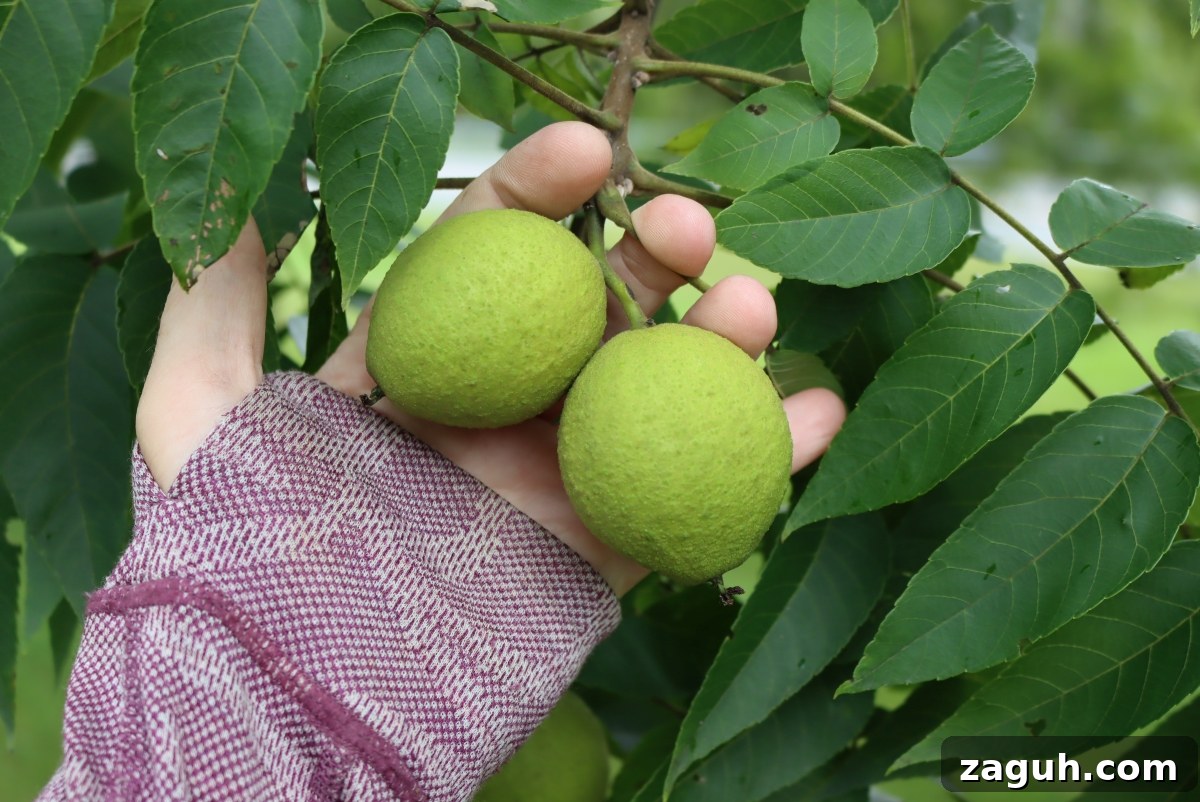
Walnuts (Juglans spp.)
Valued for nuts and timber, walnut species also yield sap for syrup and medicinal nut husks used as tinctures. Large trees grow in rich bottomlands; green hulls and husks have traditional medicinal uses.
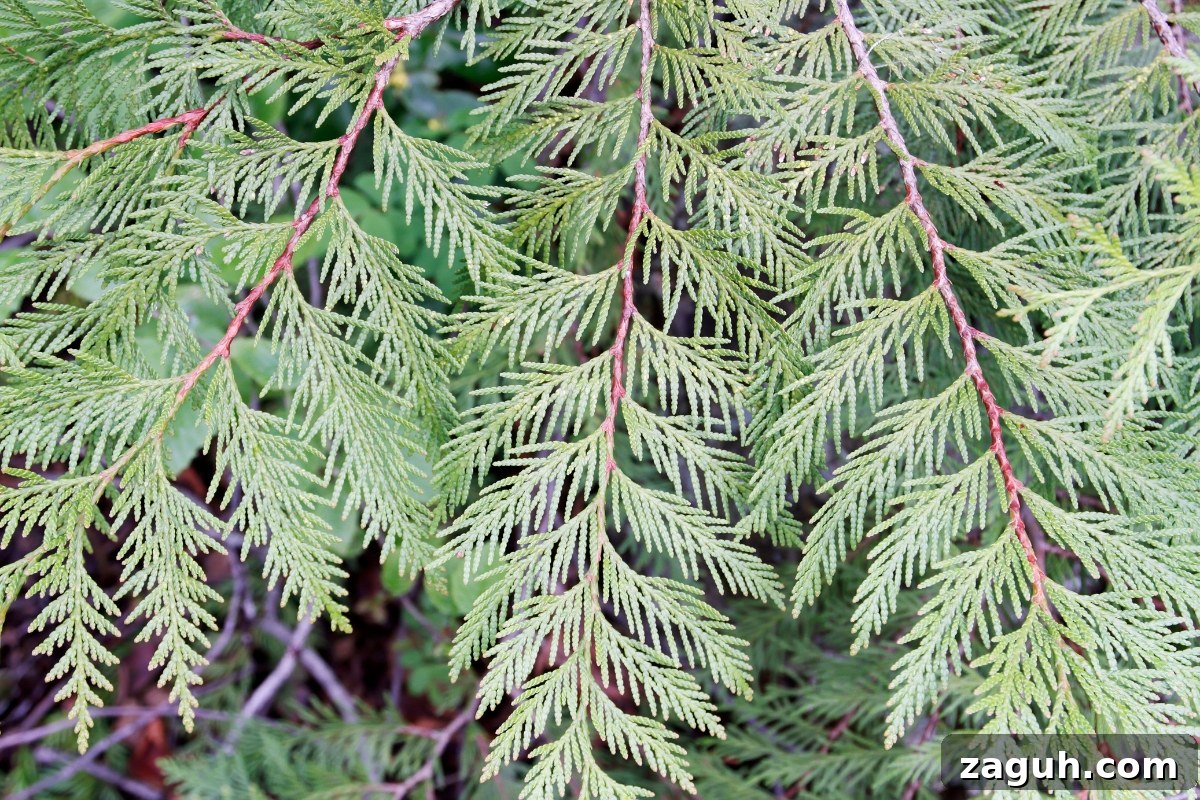
Western Red Cedar (Thuja plicata)
Pacific Northwest giant with edible sap and inner bark; needles are used medicinally in salves and teas. Bark fibers are traditionally used for cordage and textiles; wood is prized for durability.
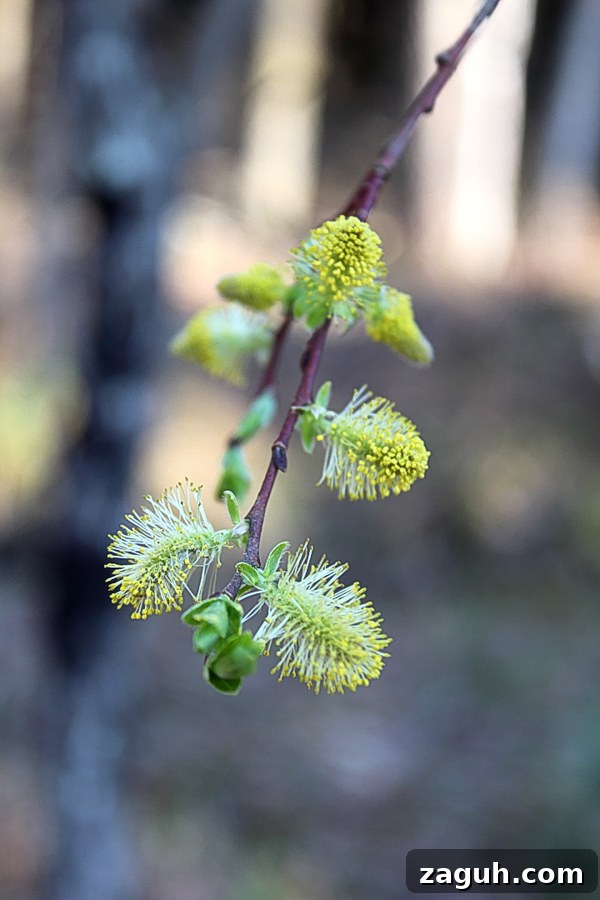
Willow (Salix spp.)
Young leaves and shoots are high in vitamin C and can be eaten raw or cooked. Inner bark can be dried and used as a flour substitute; willow bark contains salicin, a pain-relieving compound used historically as a gentler alternative to aspirin.
Foraging Guides
If you’re starting out, curated lists and guides help you learn what to collect and when. Expand your knowledge with regional foraging references and practice sustainable harvesting to protect trees and habitats for future seasons.
Explore seasonally, respect vulnerable species, and prioritize sustainable harvest methods—use fallen wood where possible and avoid stripping living bark. Learning to recognize edible trees and their seasons greatly enriches foraging and deepens your connection to the landscape.