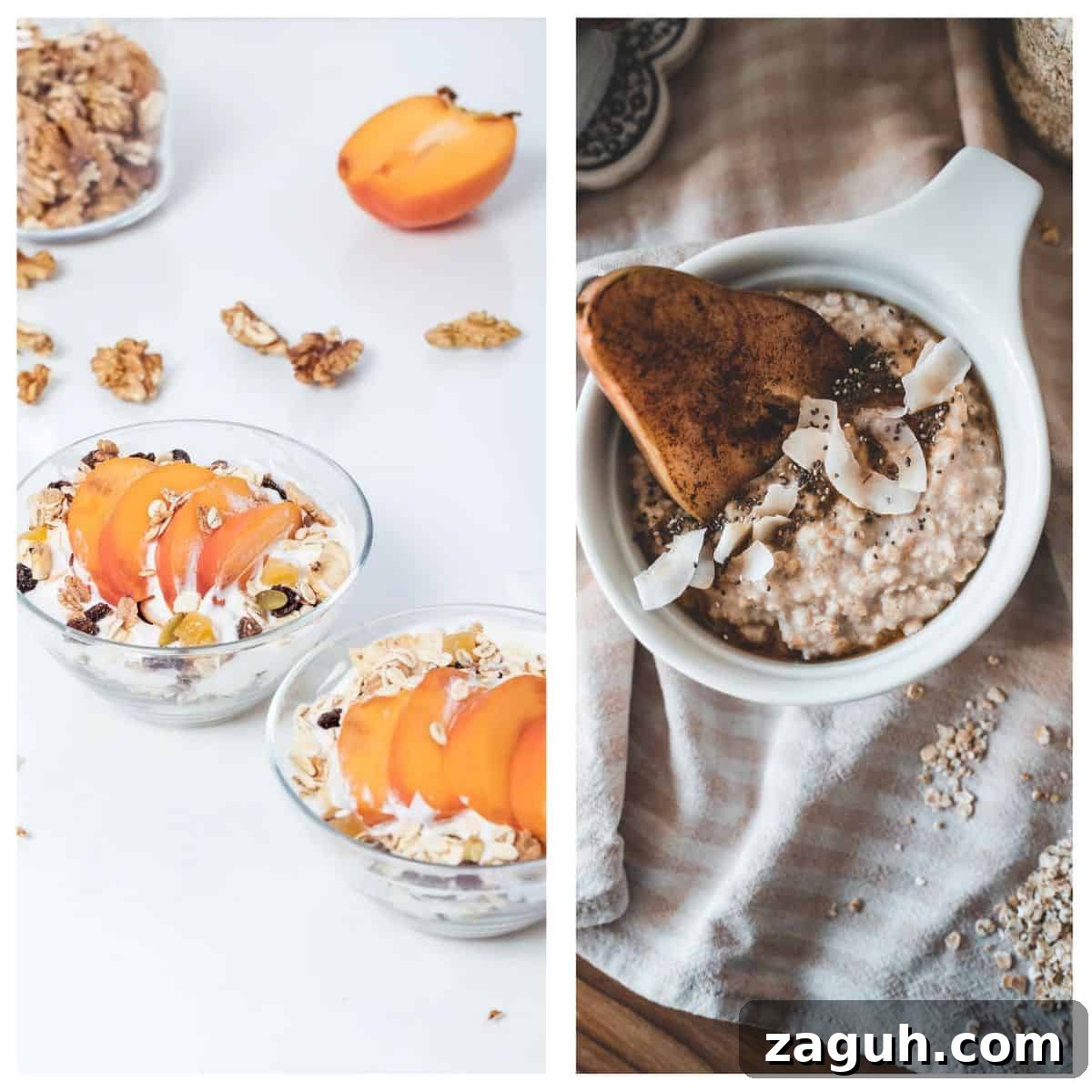
There’s often confusion about muesli vs oatmeal and how they differ. Both are nutritious breakfast choices, but they’re not the same. This article explains the key differences, offers practical uses for each, and shares recipe ideas you can try at home.
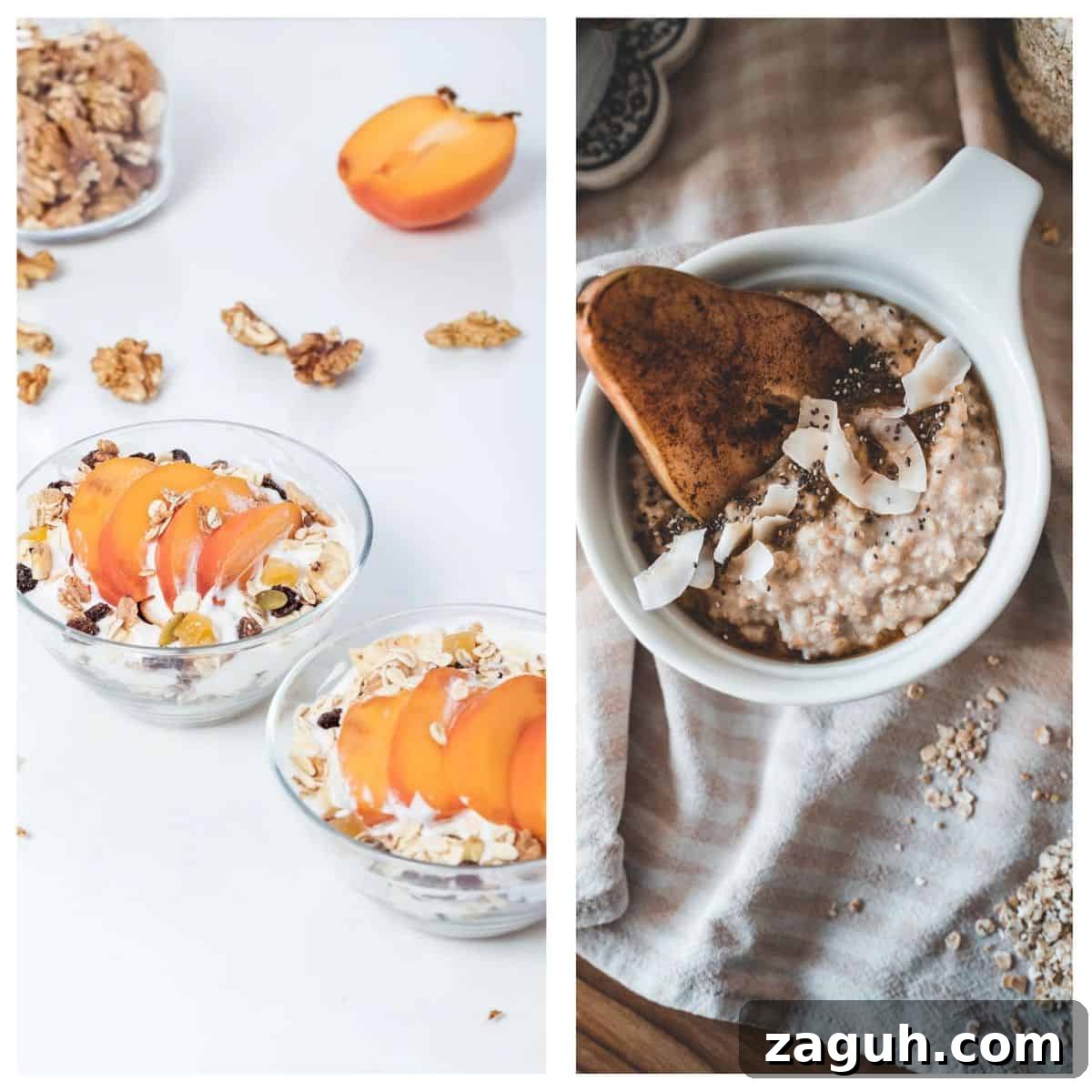
Breakfast is widely regarded as the most important meal of the day, yet many people skip it. Muesli and oatmeal are both quick, healthy, and tasty options that suit busy mornings. They can be eaten raw, cooked, or used in baking, but knowing the differences helps you choose the best option for your needs.
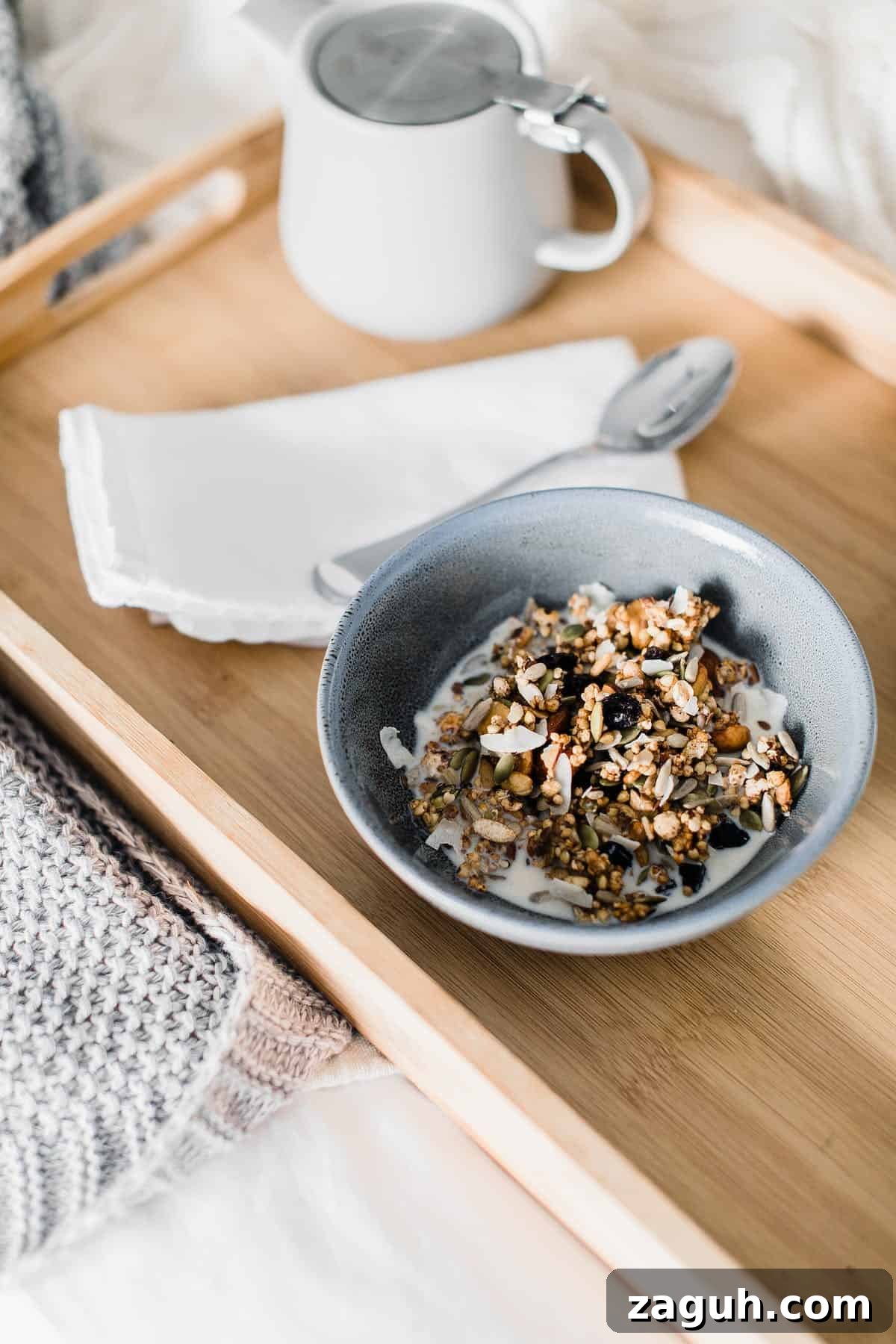
What is muesli?
Muesli originated in Switzerland in the late 1800s and typically combines rolled oats with nuts, seeds, and dried fruit. It’s high in fiber and offers a range of vitamins, minerals, and healthy fats from the added ingredients. Muesli can be enjoyed dry over yogurt, soaked overnight, or gently warmed like oatmeal.
The main difference between oatmeal and muesli is composition: muesli includes oats plus nuts, seeds, and dried fruit, while oatmeal refers solely to the prepared oats themselves. That extra mix in muesli increases fiber, micronutrients, and healthy fats compared with plain oats.
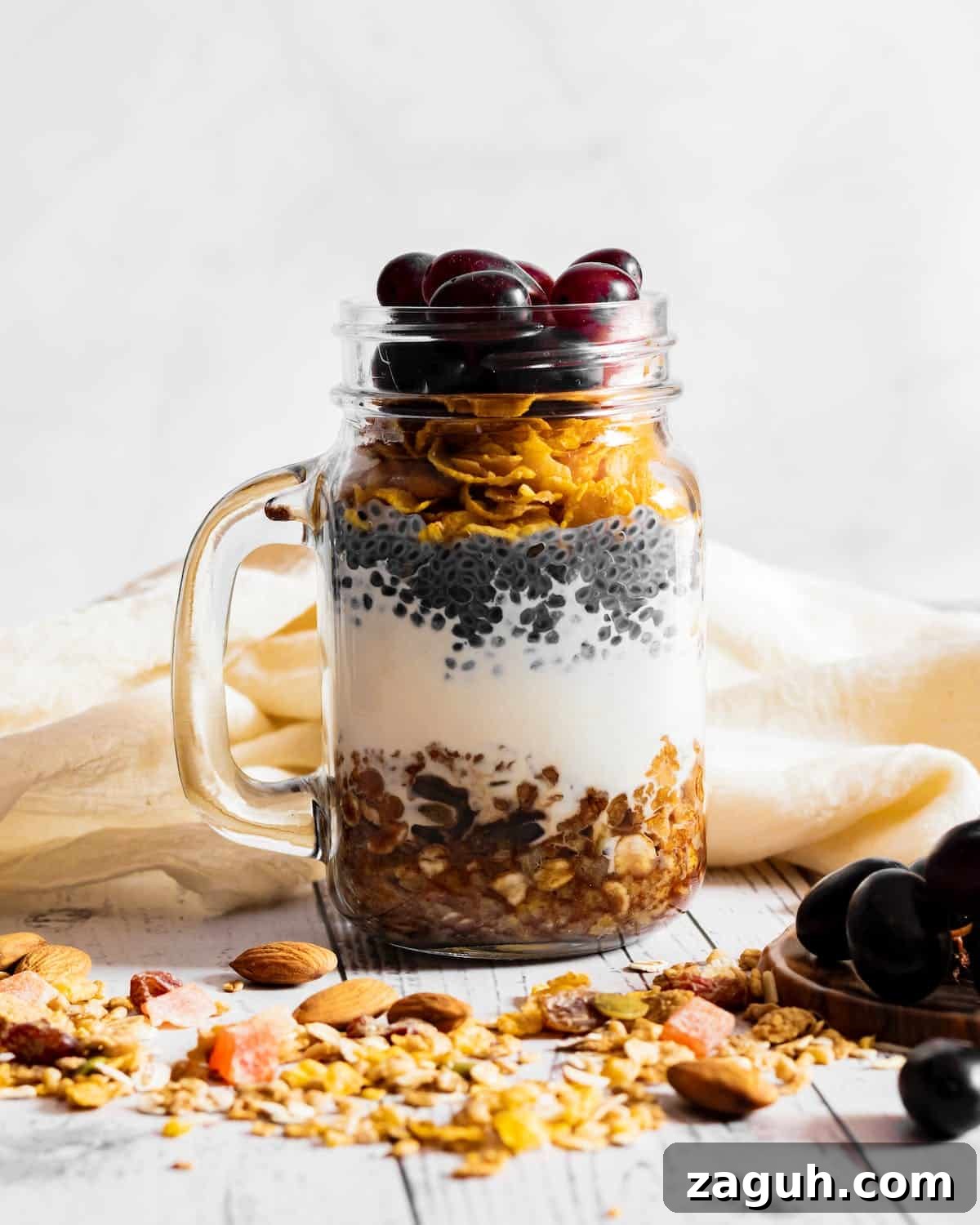
Muesli recipes
Muesli is versatile. Below are a few favorite ways to enjoy it.
Overnight muesli
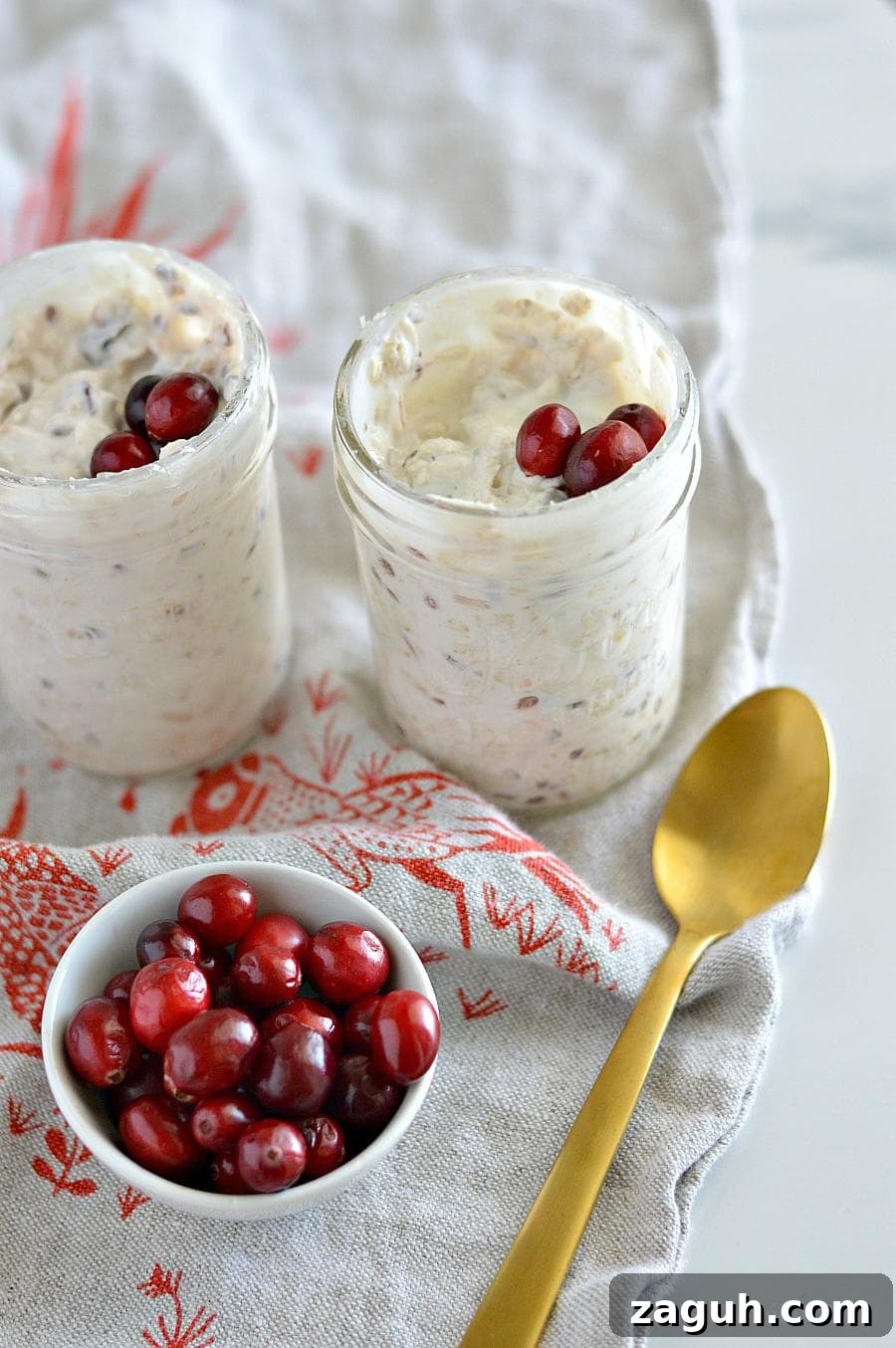
Overnight muesli, similar to overnight oats, uses a muesli blend—often Bircher-style—with yogurt or plant milk and refrigerates overnight. It’s ideal for meal prep because it’s ready in the morning and provides sustained energy from fiber and protein when you add Greek yogurt.
Protein balls
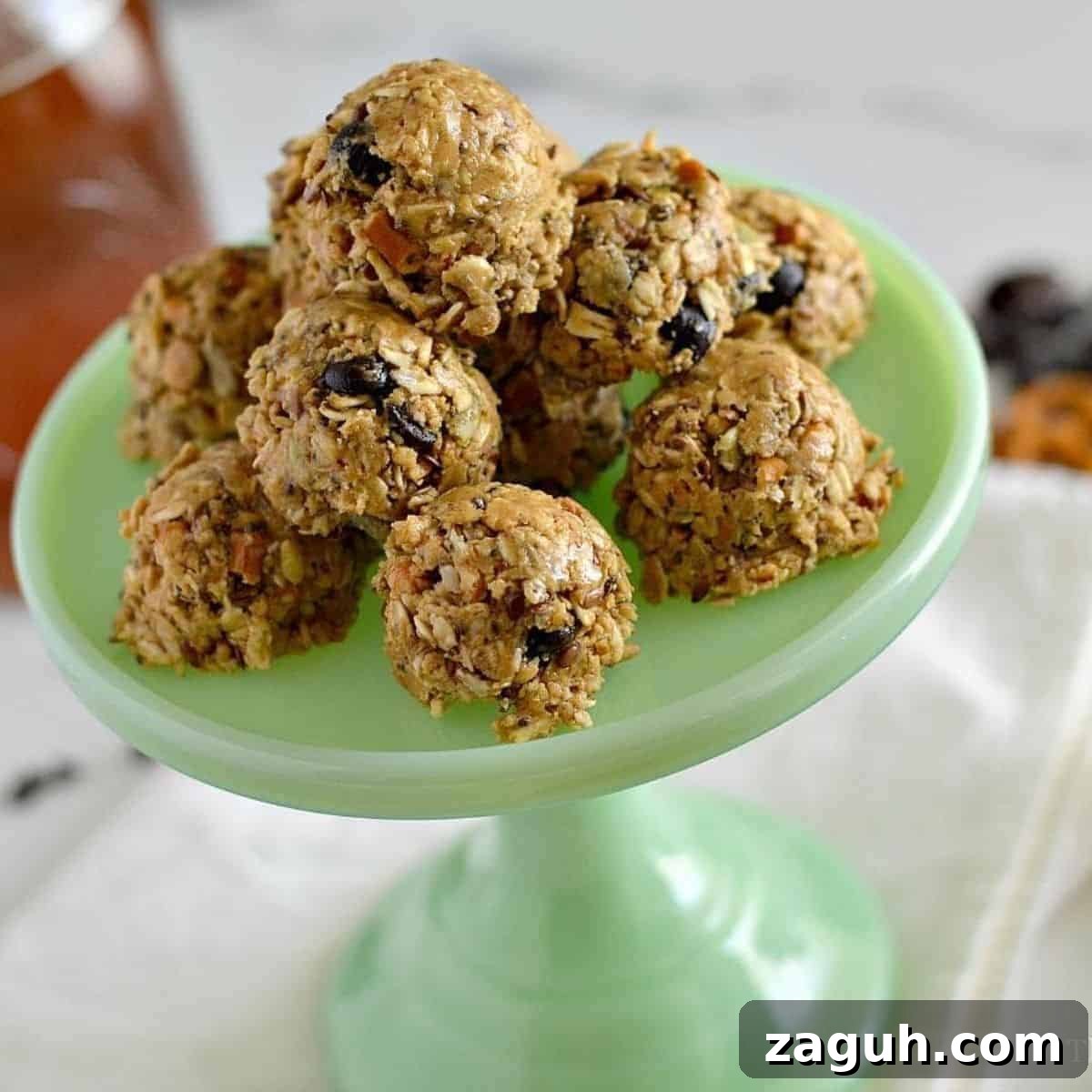
Muesli is an easy replacement for separately measuring oats, nuts, seeds, and dried fruit when making energy or protein balls. Combine muesli with vanilla protein powder, a binder like honey or maple syrup, and nut butter. Optional additions include chia seeds, pumpkin seeds, or coconut flakes. These bites are high in protein, fiber, and healthy fats—great as a snack or quick breakfast.
Muesli as a topping
Muesli works well as a crunchy topping for Greek yogurt or smoothie bowls. Unlike many granolas, most muesli blends contain little to no added sugar or oil, so they add texture and nutrition without extra sweeteners. A simple bowl of Greek yogurt, muesli, fresh fruit, and a drizzle of honey makes a quick, balanced breakfast or afternoon snack.
Can you eat raw muesli?
Yes. Raw muesli can be eaten with milk or plant-based milk like a low-calorie cereal, or mixed into yogurt or energy bites. If you prefer a softer texture, soak it overnight or briefly heat it.
What is oatmeal?
Oatmeal refers to oats prepared for eating—rolled, steel-cut, or quick oats—and is a versatile whole-grain ingredient. Oats can be cooked on the stove, microwaved, or soaked overnight and used in both sweet and savory dishes. They’re naturally gluten-free when processed in a gluten-free facility and provide fiber, protein, and slow-release carbohydrates.
Oatmeal recipes
Oatmeal is slightly more adaptable for certain baked goods and flours. In addition to being used in the same ways as muesli—toppings, overnight oats, and protein balls—oats can be transformed into flour or baked into bars and cookies.
Oat flour pancakes
Blend rolled oats to make oat flour, a budget-friendly, gluten-free flour substitute. Oat flour works well in pancakes and other baked goods. Serve oat flour pancakes with banana slices and maple syrup for a comforting weekend breakfast.

Oatmeal cookies
Oatmeal cookies can be made with rolled, steel-cut, or quick oats and make a satisfying treat. When made with modest sugar and wholesome mix-ins, they can double as a breakfast option or a snack with more fiber than many traditional cookies.

Oatmeal bars
Oatmeal bars are excellent for meal prep and on-the-go breakfasts. No-bake versions combine oats with nut butter and a sweetener for quick snack bars, while baked oatmeal bars resemble a thick, sliceable baked oat and can include fruits, nuts, and spices. Both styles store well and make portable, filling options.
More recipes you’ll love
If you enjoy oats or muesli, try these easy recipes that fit a healthy lifestyle:
- Coconut macaroons made with minimal ingredients for a simple grab-and-go treat.
- Banana protein muffins that freeze and reheat well for busy mornings.
- Dairy-free blueberry muffins for a classic fruity option.
- Air fryer hash browns as a crisp, savory side to eggs or a breakfast bowl.
Both muesli and oatmeal are nutritious foundations for breakfast. Choose muesli when you want a ready-made mix of nuts, seeds, and dried fruit, and choose plain oats when you prefer to customize texture and use oats as an ingredient in baking or cooking. Either way, both support balanced, satisfying breakfasts that fuel your day.