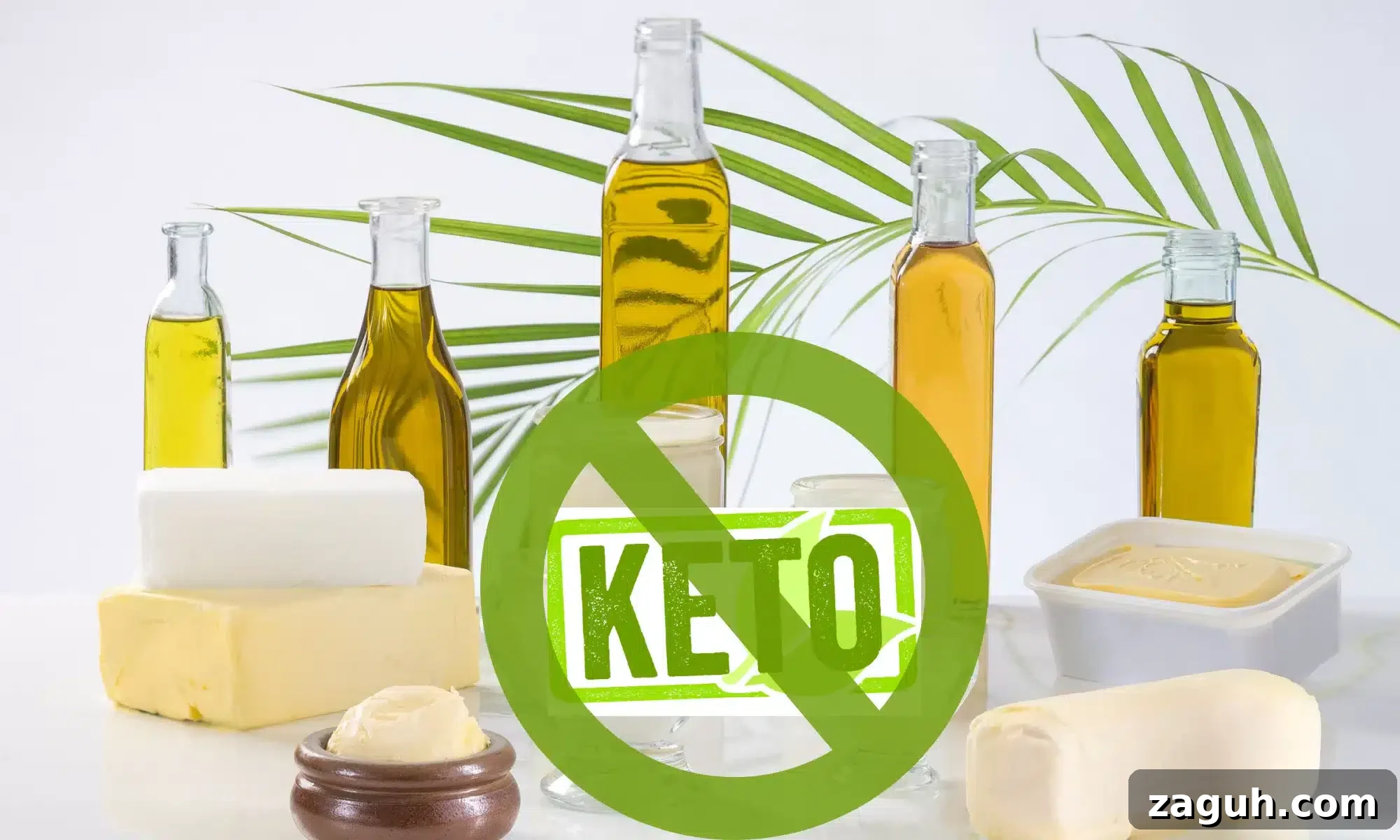
A ketogenic diet focuses on high fat and moderate protein intake with very low carbohydrates. While many cooking oils are technically compatible with keto, some are best avoided for health and cooking stability reasons.
When selecting fats for a ketogenic lifestyle, it’s wise to steer clear of highly processed vegetable and seed oils. Industrial seed oils—like soybean and corn oil—are extracted through extensive refining because the seeds themselves are not naturally high in fat. This processing can create oils that are more prone to oxidation and may promote inflammation compared with naturally fatty whole foods such as coconut, avocado, and olives.
For better health outcomes on keto, prioritize oils that are stable and minimally processed. Avoid oils containing trans fats or those that have been partially or fully hydrogenated. Highly refined polyunsaturated oils are also best limited. One exception is toasted sesame oil, which can be used sparingly as a flavoring rather than a primary cooking fat.
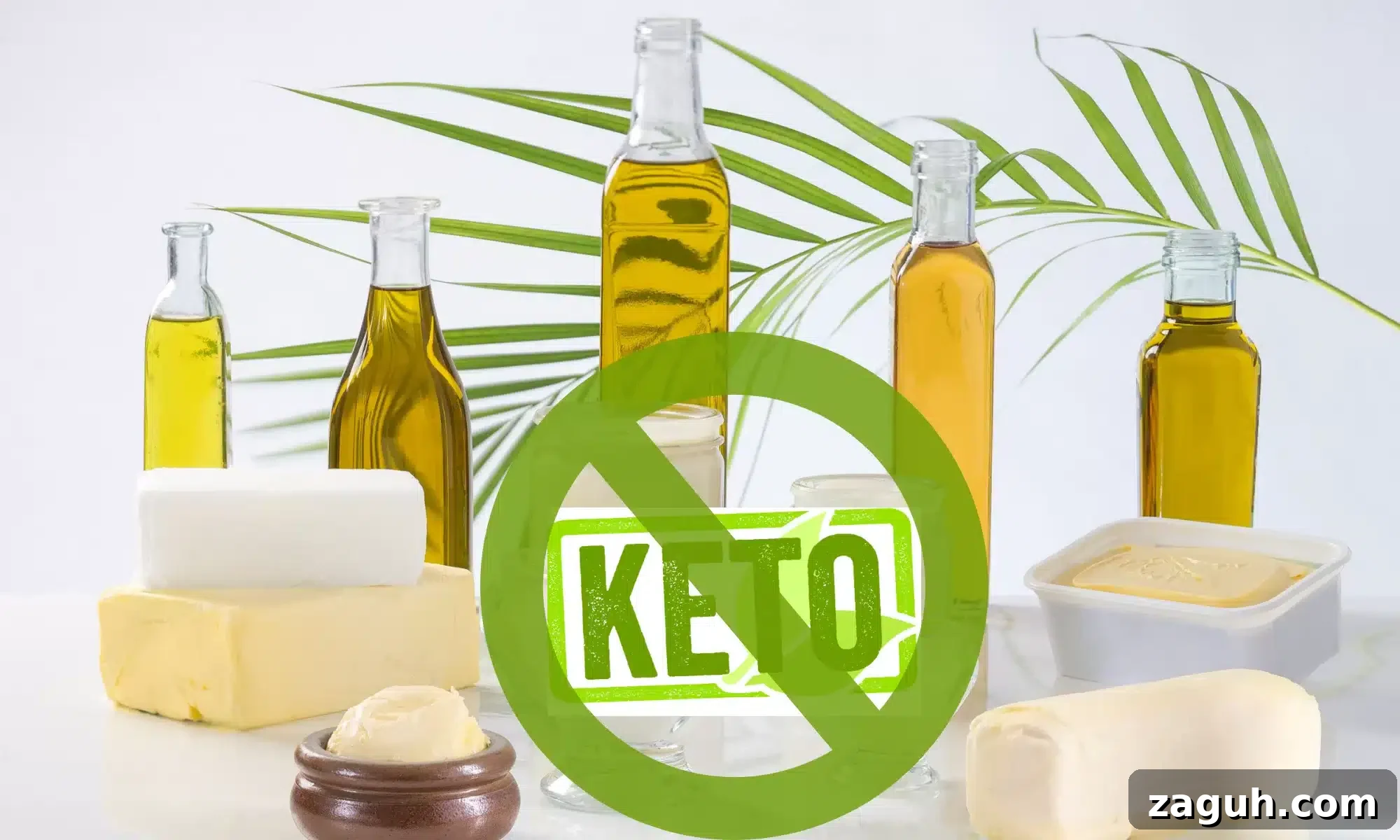
Which Oils Are Banned on Keto?
There aren’t strict bans on specific oils in keto, but many experts recommend avoiding the following due to processing methods or unfavorable fatty acid profiles:
- Vegetable oil
- Soybean oil
- Safflower oil
- Canola oil
- Corn oil
- Cottonseed oil
- Grapeseed oil
- Margarines, plant-based spreads, and vegetable shortenings
Why Are Some Oils Discouraged on Keto?
Industrial seed oils require heavy refining because seeds often contain little extractable fat. This refining, along with processes like hydrogenation, increases the presence of unstable polyunsaturated fats and sometimes trans fats. These fats oxidize more readily, especially when heated, generating harmful byproducts.
Another concern is the imbalance of omega fatty acids. Many seed oils are high in omega-6 polyunsaturated fats; without sufficient omega-3 intake from foods like fatty fish, flaxseed, or chia, a high omega-6 to omega-3 ratio can promote inflammation. Compared to polyunsaturated fats, saturated and monounsaturated fats are more heat-stable and less likely to degrade during cooking.
Examples of more stable choices include olive oil, avocado oil, and coconut oil, which are composed predominantly of saturated and monounsaturated fats and contain relatively low levels of polyunsaturated fats. Choosing stable, minimally processed oils helps preserve their integrity during cooking and reduces the formation of harmful compounds.
What Oils Can I Have on Keto?
There is a wide variety of oils and animal fats suitable for keto. These options are generally considered acceptable when used appropriately:
- Almond oil
- Apricot kernel oil
- Avocado oil
- Beef tallow
- Butter
- Cashew oil
- Chicken fat (schmaltz)
- Coconut oil (virgin/unrefined)
- Duck fat
- Flaxseed oil
- Ghee (clarified butter)
- Hazelnut oil
- Hemp oil (hemp seed oil)
- Lard (pork fat)
- Macadamia oil
- Olive oil (extra virgin)
- Palm kernel oil
- Palm oil (red palm oil)
- Peanut oil
- Pecan oil
- Pistachio oil
- Pumpkin seed oil
- Rice bran oil
- Sesame oil
- Sunflower oil
- Walnut oil
- Wheat germ oil
What Else Should I Avoid on the Keto Diet, Aside from Carbs?
Beyond obvious carbohydrate sources like bread and pasta, many foods and beverages contain hidden sugars or ingredients that can push you out of ketosis. Common items to limit or avoid include:
Alcoholic beverages: Beer and sugary cocktails are high in carbs and offer little nutritional value; avoid them if you aim to maintain ketosis.
Sweeteners like honey and syrups: Natural sweeteners such as honey, agave, and maple syrup are concentrated sugars and can quickly add carbs.
Fruit juices: Juices are high in natural sugars and lack fiber, making them less suitable for keto despite their vitamin content.
Sugary carbonated drinks: Sodas and sweetened fizzy drinks are essentially sugar water and contribute significant carbs without nutrients.
Sugar-laden condiments: Ketchup, barbecue sauce, and sweet chili sauce often contain added sugars that elevate carb counts.
Dried fruits and some trail mixes: Drying concentrates sugars, so portions of dried fruit or sweetened trail mixes can be high in carbohydrates.
Low-fat products: Foods marketed as low-fat frequently have added sugars to improve taste, increasing their carb content.
Sweetened dairy: Flavored yogurts and sweetened dairy products typically contain added sugars—check labels carefully.
High-carb fresh fruits: Fruits such as mangoes, bananas, and grapes are naturally higher in carbs and may interfere with maintaining ketosis if consumed in larger amounts.
FAQs
A ketogenic diet can support weight loss for many people, but individual results vary. Consult a healthcare professional to determine if keto is appropriate for your needs.
Yes. Unsweetened black coffee is compatible with keto. Be cautious with added sugars, flavored syrups, or high-carb creamers.
Carbohydrates are macronutrients found in foods like grains, fruits, vegetables, legumes, and sugars. They break down into glucose, which the body uses for energy.
Ketosis is a metabolic state in which the body uses fat-derived ketones for fuel instead of glucose, typically occurring when carbohydrate intake is very low.
Keto can support muscle building when protein intake is adequate and strength training is part of your routine. Results depend on overall calorie and protein balance.
The “keto flu” describes temporary symptoms some people experience when switching to a low-carb diet, such as fatigue, headaches, brain fog, nausea, and muscle aches. These symptoms often resolve within days to weeks as the body adapts.