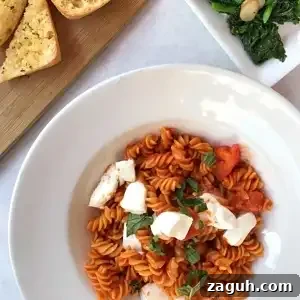
I intended this to be a short “Top 5 Questions We Ask Restaurants,” but screening restaurants for safe gluten-free dining turned out to be more involved. Here are the practical tips my family uses when we evaluate a restaurant and dine out.
My son loves trying new places. At almost 13 he’s starting to go out with friends, but because he has celiac disease he must eat gluten-free with strict avoidance of cross-contamination. Every time he eats out we assess whether a restaurant can meet his needs.
Over the eight years since his diagnosis we’ve been fortunate to find excellent restaurants at home and abroad. A few are 100% gluten-free, and those experiences are always relaxing and enjoyable. The reality, however, is that most restaurants are not entirely gluten-free. My son still wants to try different foods, so we continually determine whether a place is safe. Over time we developed a short script of questions and practices that help us decide.
Caveat
No set of questions is foolproof. Our screening depends partly on the type of food we plan to order and how comfortable we are with the answers. We also read tone and body language; sometimes a glance between us signals “go” or “no.” Even so, despite precautions there may have been times my son experienced cross-contamination. After asking the right questions you still place some trust in the kitchen so you can enjoy the meal.
1. Initial screening
These simple questions give an early indication of whether to proceed. If it’s just our family we can walk away more easily than when we’re with a group or my son is with friends, but the screening steps are the same.
- Do they offer a gluten-free menu, or are items clearly marked as gluten-free on the main menu?
- If not, are there naturally gluten-free options such as steak, chicken, or salads that can be prepared safely?
- Most importantly: are those items safe enough for someone with a gluten allergy or celiac disease?
We sometimes use the word “allergy” when dining out because it tends to prompt staff and kitchen teams to take cross-contamination seriously. We’re happy to educate people about celiac disease, but in public settings and busier restaurants we may prioritize language that reliably conveys the severity of the need.
2. When being seated
- Tell the host you need a gluten-free menu if one is available.
- Tell the server, when they first introduce themselves, that someone in your party needs to eat gluten-free.
3. Asking about menu items
Ask specific, dish-related questions so you understand hidden gluten sources and cross-contamination risks. Find out how the kitchen prepares items and whether they use separate utensils, pans, or equipment. Common questions we ask include:
- Is pasta cooked in separate water and drained with a separate colander?
- Are fries cooked in a dedicated fryer?
- Do you use gluten-free soy sauce?
- Are tortilla chips made in a separate fryer?
- Is any soup thickened with wheat flour?
- Are there croutons or crispy noodles on salads?
Never assume an item is gluten-free. Gluten is hidden in many places, and restaurants sometimes add flour to create crispness or texture. In buffet or shared-cooking scenarios there can also be surprising contamination risks.
4. Ordering
When ordering, be explicit. Repeat “gluten-free” and clearly state that the restriction is for medical reasons—celiac disease or a gluten allergy—so the kitchen knows this is not optional. Ask the server to note “allergy” on the ticket if possible. Clear, firm communication helps ensure the order is handled carefully in the kitchen.
5. When food is served
Inspect the plate before eating. Confirm the food matches what you ordered and looks appropriate—no croutons, no unexpected breading. Mistakes happen, so it’s better to ask questions before taking a bite. For example, my son often orders the same pasta at a particular restaurant; once a different pasta shape tipped him off that a substitution had been made. It was still gluten-free, but it’s worth checking.
6. Dining with groups and traveling
When traveling or dining with larger groups, do some screening in advance by checking menus online and calling the restaurant to ask questions.
- Call during non-busy hours so staff have time to answer questions.
- Many restaurants want to accommodate guests, especially when they have advance notice.
- For catered events call the caterer or venue ahead of time and ask the same screening questions.
- If uncertain while traveling, chain restaurants sometimes have consistent allergy protocols, but practices can vary by location—always ask.
- When appropriate, take time to educate staff about cross-contamination and safe handling.
Pro tip
We try to identify local restaurants that understand and are willing to work with us, then we invest time in educating them and become repeat customers. Even at familiar places we still remind staff—“celiac” or “allergy,” whichever prompts the most careful response—so the kitchen follows safe food-preparation steps to avoid cross-contamination.